Slashdot Mirror
Domain: mfwright.com
Stories and comments across the archive that link to mfwright.com.
Comments · 7
-
Impractical
It's a ridiculous, impractical concept.
I was a radio amateur in high school and college. At the time, portable transceivers, commonly called "HT"s, (for "handi-talkie", I think a Motorola trademark) were getting popular with hams. Initially, there were no companies making such transceivers specifically for amateur radios, so they managed to get surplus police radios that could be re-tuned to work on a nearby ham band.
The elite choice was by and far the Motorola "bricks", so called because of their weight, size, and most of all reliability. But they were expensive - several hundred dollars for a radio that was beat to hell but still worked. These were the "iPhones" of HTs:
http://mfwright.com/HT220.html
I couldn't afford one, but I found a larger, clunkier version from a company I think called Tec, at a swap-and-shop (flea market). It had a modular design. You popped off the back, and there were probably 20 little cubic plug-in modules.
Problem is, those things just never worked. Well, imagine all those hundreds of contacts, jostling around during day-to-day use by cops. They were totally unreliable. And the thing was huge, due to the packaging overhead.
These were the "Phonebloks"...
-
Bailing out from 300,000 feet
A concept illustrated by Lee J. Ames from the 1959 book "Man’s Reach Into Space" by Roy A. Gallant. http://mfwright.com/spacebailout.html
-
Re:The real question is who finds this attractive?
Might as well drape the clothes over a wire hanger if that's what they're aiming for.
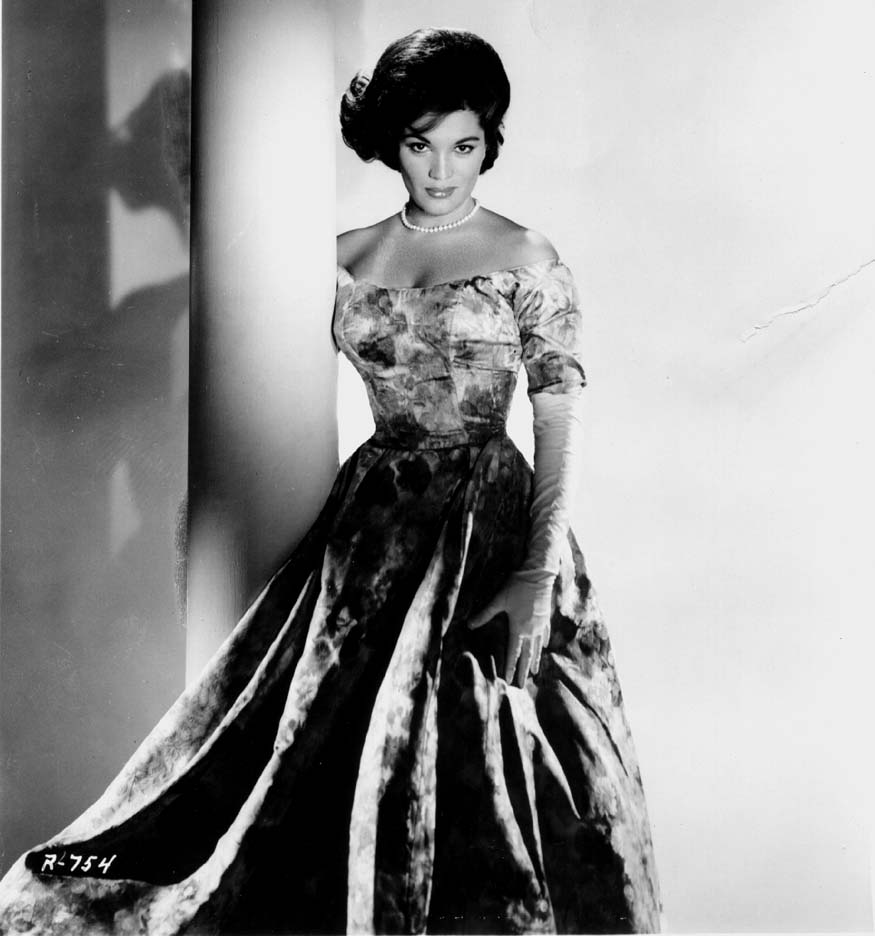
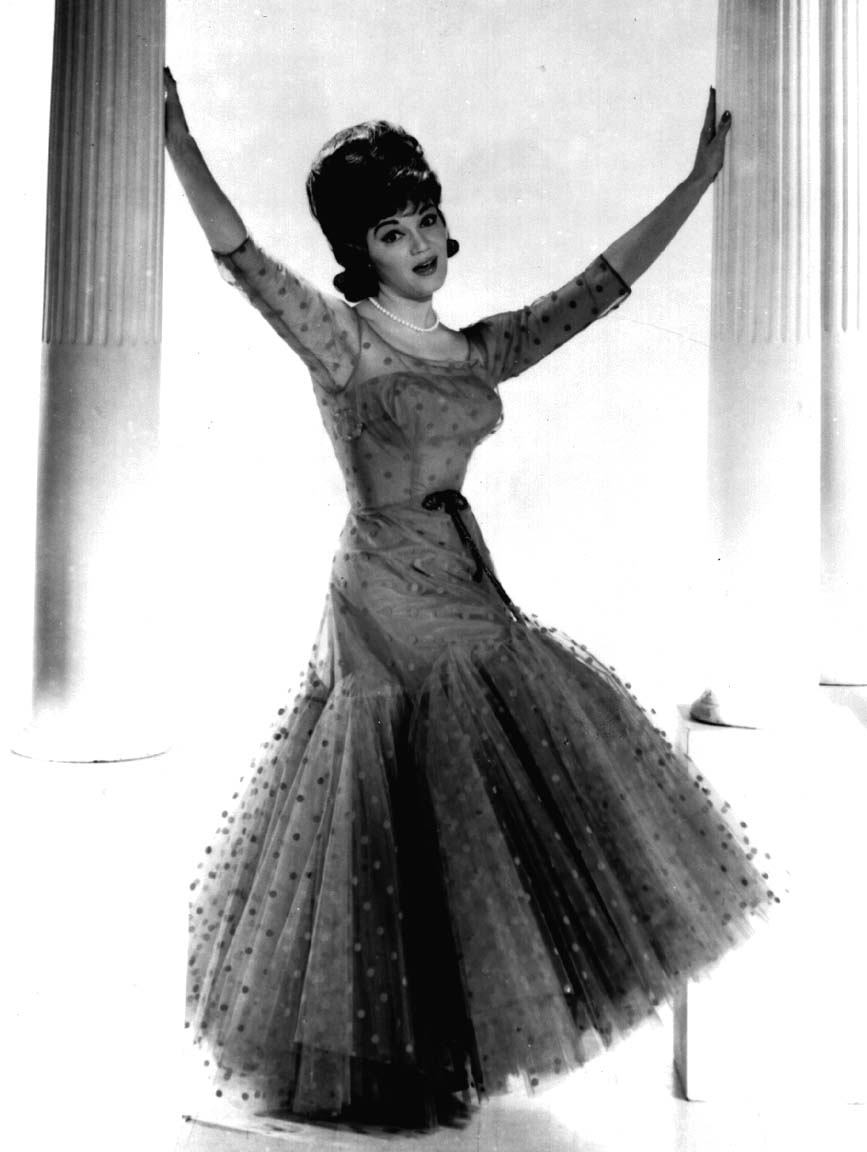
That is ***exactly*** what they are aiming for. Fashion design is hard, getting your designs in a show is harder. Then gotta find a model to walk the runway to show off the dress. If all your models are skinny stick women then you don't have to deal with design variables of a more fuller figure gal. There was a time when acceptable sizes more than a 6, and dress design was more challenging considering way back designers worked with fitted gowns. You have to balance the woman's bust, waist, hips, torso length, shoulder width, and neckline. Then need to design so it complements the face and hair style. This used to be done way before Photoshop, software design, numerically controlled machines, and cheap Chinese labor. I sometimes wonder if much of this design knowledge is lost.
http://mfwright.com/CFphotogallery/connie104.jpg
http://mfwright.com/CFphotogallery/connie5.jpg
http://www.geocities.ws/lollophotos/gina74.html
http://www.geocities.ws/lollophotos/gina123.htmlOf course some may say above were specifically designed just for that specific show or movie. However also back then much of this could be store bought, with a little alterations such as this from Kleins on 14th St in New York back in 1960: http://mfwright.com/CFphotogallery/connie169.jpg
-
Re:The real question is who finds this attractive?
Might as well drape the clothes over a wire hanger if that's what they're aiming for.
That is ***exactly*** what they are aiming for. Fashion design is hard, getting your designs in a show is harder. Then gotta find a model to walk the runway to show off the dress. If all your models are skinny stick women then you don't have to deal with design variables of a more fuller figure gal. There was a time when acceptable sizes more than a 6, and dress design was more challenging considering way back designers worked with fitted gowns. You have to balance the woman's bust, waist, hips, torso length, shoulder width, and neckline. Then need to design so it complements the face and hair style. This used to be done way before Photoshop, software design, numerically controlled machines, and cheap Chinese labor. I sometimes wonder if much of this design knowledge is lost.
http://mfwright.com/CFphotogallery/connie104.jpg
http://mfwright.com/CFphotogallery/connie5.jpg
http://www.geocities.ws/lollophotos/gina74.html
http://www.geocities.ws/lollophotos/gina123.htmlOf course some may say above were specifically designed just for that specific show or movie. However also back then much of this could be store bought, with a little alterations such as this from Kleins on 14th St in New York back in 1960: http://mfwright.com/CFphotogallery/connie169.jpg
-
Re:The real question is who finds this attractive?
Might as well drape the clothes over a wire hanger if that's what they're aiming for.
That is ***exactly*** what they are aiming for. Fashion design is hard, getting your designs in a show is harder. Then gotta find a model to walk the runway to show off the dress. If all your models are skinny stick women then you don't have to deal with design variables of a more fuller figure gal. There was a time when acceptable sizes more than a 6, and dress design was more challenging considering way back designers worked with fitted gowns. You have to balance the woman's bust, waist, hips, torso length, shoulder width, and neckline. Then need to design so it complements the face and hair style. This used to be done way before Photoshop, software design, numerically controlled machines, and cheap Chinese labor. I sometimes wonder if much of this design knowledge is lost.
http://mfwright.com/CFphotogallery/connie104.jpg
http://mfwright.com/CFphotogallery/connie5.jpg
http://www.geocities.ws/lollophotos/gina74.html
http://www.geocities.ws/lollophotos/gina123.htmlOf course some may say above were specifically designed just for that specific show or movie. However also back then much of this could be store bought, with a little alterations such as this from Kleins on 14th St in New York back in 1960: http://mfwright.com/CFphotogallery/connie169.jpg
-
How about from 300,000 feet
Concept illustrated from 1959 book, Manâ(TM)s Reach Into Space However. It would lend a *whole* new meaning to the phrase "Smoke'n it down...." http://mfwright.com/spacebailout.html
-
atmosphere thinner than you think
Typical skydives are from 13K. If you go a little more than double like from 30K, you have to wear full O2 mask (not the cheapie like what falls from ceiling on airliners), and have to prebreath 100% O2 on ground before departure (highly recommended to prevent nitrogen bends). Then if you want to double that to 60K, you need a pressure suit. Though Armstrong line is 63K but probably not much difference to your body of 3000 feet.
So 30K which many been on airliner flights (and a few that have jumped from that height, http://mfwright.com/30Kjumps.html) is really not that high and "usable" atmosphere is really thin.
Jumping from 100K and above is a huge logistics challenge (if you want to do it right and live), i.e. Kittenger and resources of the USAF. Now there is Baumgartner's jump and amazing of all the stuff and people it takes to make it happen. At least now there are better pics and vids (getting Red Bull to release is another issue).