 Slashdot Mirror
Space Pictures From Near and Far
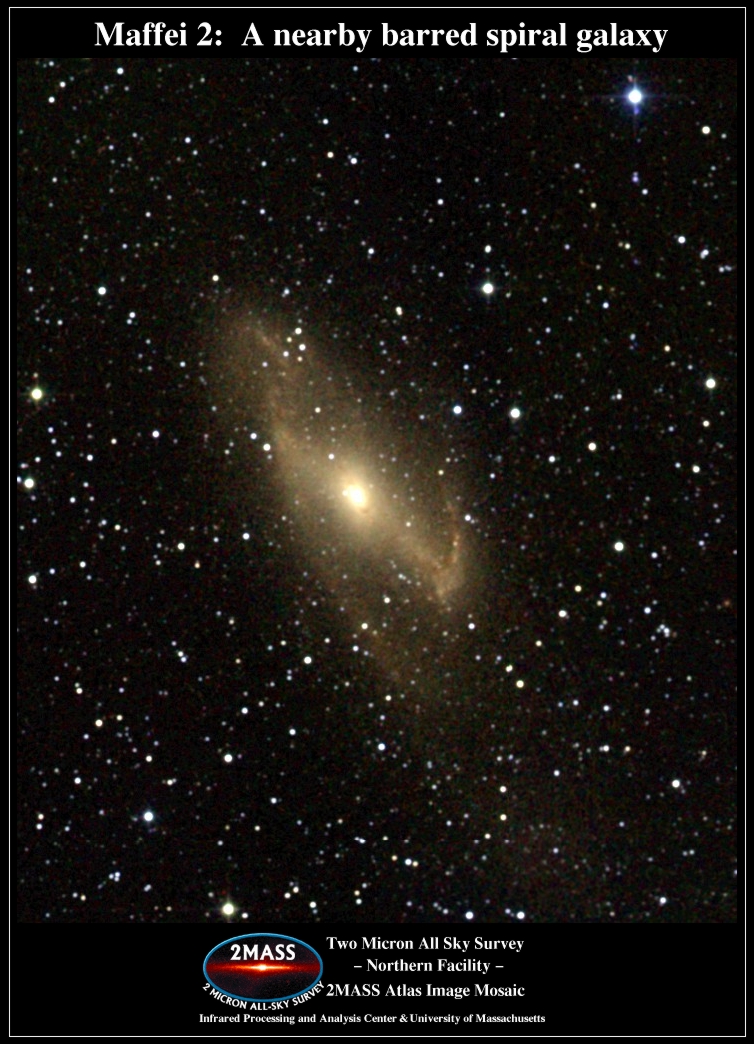
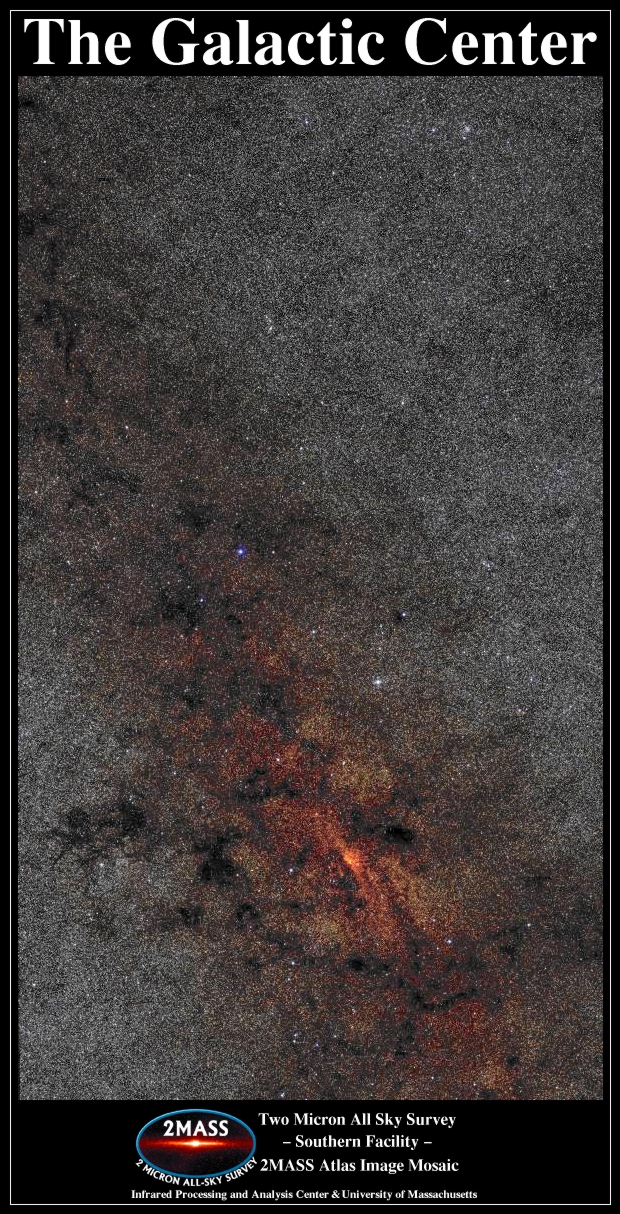
Buran writes: "The BBC News has a fine story about the how our galaxy looks from the outside according to the 2-Micron All-Sky Survey (2MASS). The article describes the shape of our galaxy (a barred spiral; all those books showing concept paintings of a regular spiral galaxy will be out of date now) and how the survey was done (near-infrared measurements of 500 million carbon stars). For the first time, we can see the center of our own Milky Way. All our worldly troubles seem so small..." That takes care of the big picture; Chris McKinstry has submitted news of much closer but just as exciting shots of Saturn -- read below for more on those.
mindpixel writes: "I was very excited when I saw this amazing shot of Saturn come up on the control room monitors of the VLT in November, and I'm even more excited that as of today the image is finally public. It is possibly the sharpest view of Saturn's ring system ever achieved from a ground-based observatory. All of us here at the observatory are quite proud of it, especially the NAOS-CONICA team."
Take a look at that picture of the center of the galaxy again -- one of the biggest challenges to astronomy is how to catalogue every single object visible and create a rapidly searchable database. And that picture is not even 10% of the sky, in only one band! Astronomers are having to come up with new ways of loading, structuring, and searching multi-TB datasets to get incredible science out of the flood of data. The future of astronomy is in these multi-TB databases, in multiple wavelengths, which create the "National Virtual Observatory".
If you want to understand the science that these databases would make possible, imagine if your business had a searchable database of the entire population of the world, with parameters like age, height, weight, income, address, phone number, spending habits, and more, for every single person.
Have a look at this link for what some scientists think a virtual observatory will be capable of!