 Slashdot Mirror
GNOME/KDE Integration Gets A Few Boosts
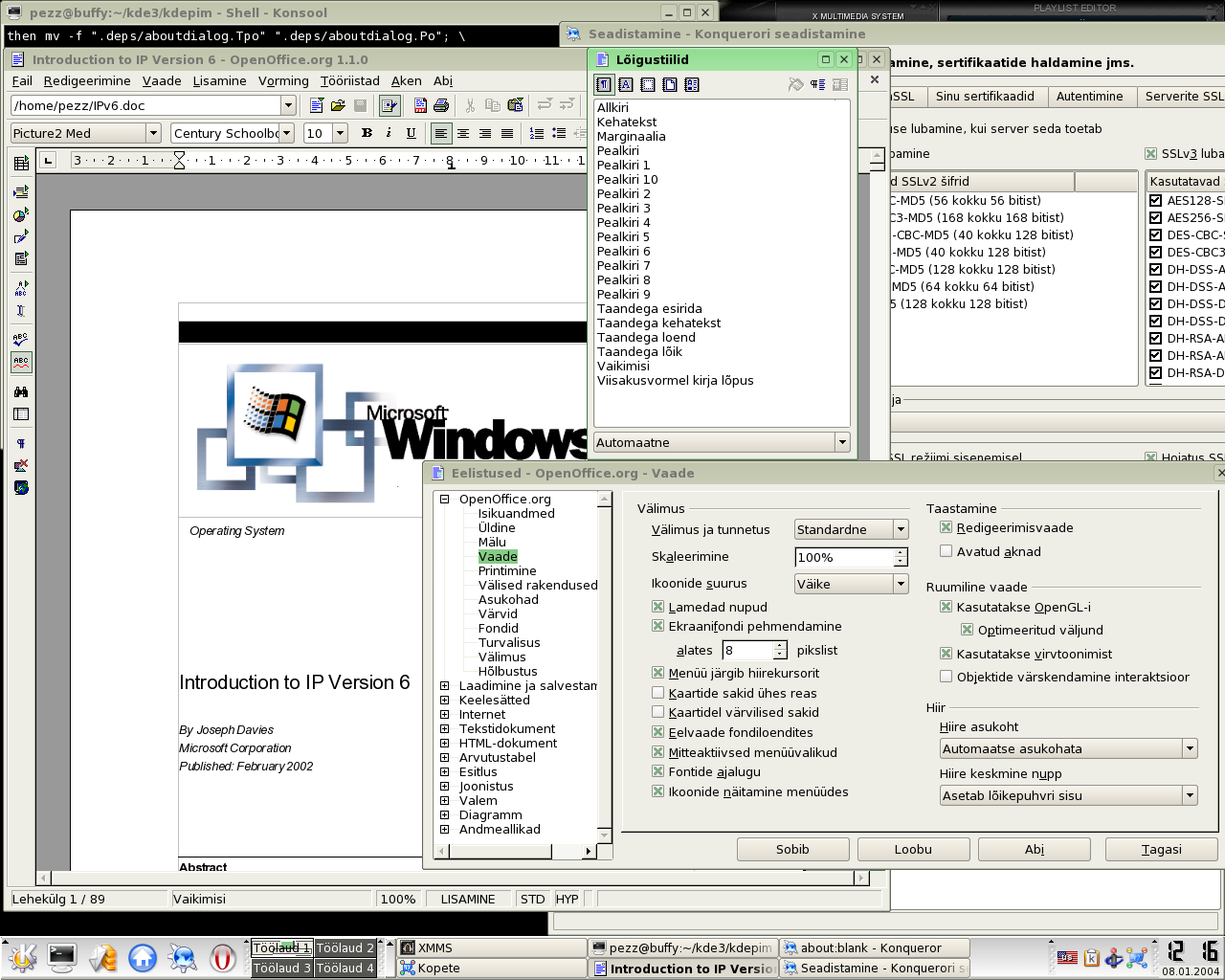
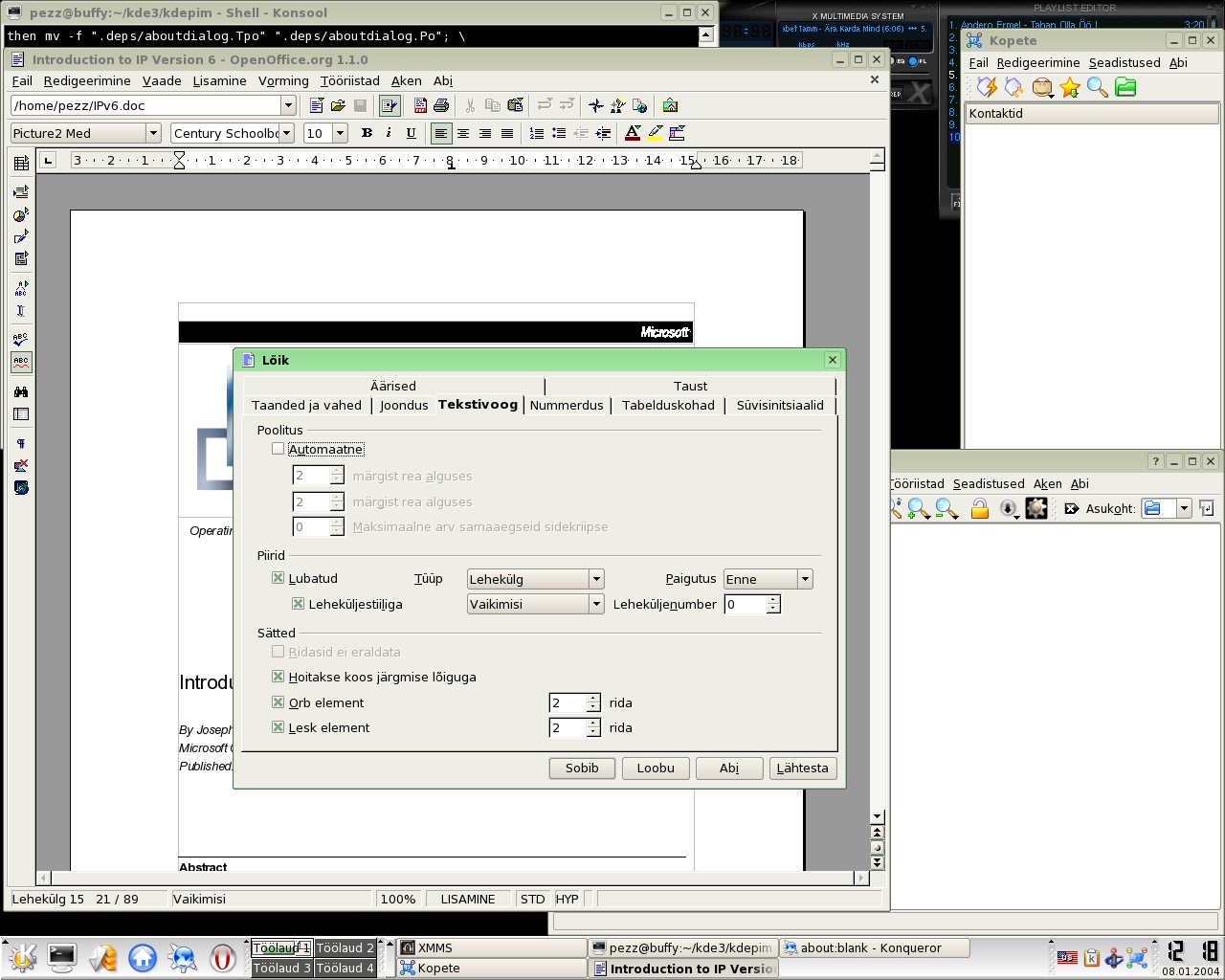
Balinares writes "Great bunch of news on the Linux desktop unification front. After the unification of GTK and Qt themes that Slashdot already reported on, it is OpenOffice's turn to get the unified look treatment (screenshot 1, screenshot 2, screenshot 3).
In related news, the recently released QtGTK library allows to merge the Qt event loop with that of GTK. In other words, this means you can now easily use KDE's DCOP, IOslaves, and, last but not least, file dialogs, from inside your GTK apps. (Screenshot of this feature used in XMMS2: 1 2). It comes with a tutorial that explains the basics.
Finally, the new fuse_kio tool now makes it possible to use KDE's IOslaves directly at the filesystem level, from any Linux app. 2004 is really beginning well for all those of us who use Linux as their primary desktop!"


That's not xmms in the screenshot, it's beep, an XMMS fork ported to GTK2 and Pango/Freetype font rendering.
It's hard to be religious when certain people are never incinerated by bolts of lightning.
That depends on what license you pick for Qt. Qt is available under a number of different licenses. For Free Software, you need to follow either the GPL or the QPL.
No, your application could be BSD, but the entire distribution of your application plus this technology would be GPL. Or, you could distribute your application as a proprietary application and require the USER to link them together, which while not completely kosher, doesn't appear to violate the letter of the GPL license.
Why do you insist on trolling every single KDE topic with this complaint though? Trolltech has every right to restrict you to the GPL (or compatible licenses) if you choose to use their software. If you don't like it, don't use it--no one is forcing you to. Or, if you absolutely have to use QT, and you absolutely cannot use the GPL, buy a commercial license.
So, in conclusion, no your application needn't be GPL, but when you distribute your application with the GPL software, you have to abide by the terms of the license.
Black and grey are both shades of white.