 Slashdot Mirror
All-Radio 4.27 Portable Can't Be Removed? Then Your PC Is Severely Infected (bleepingcomputer.com)
CaptainDork shares a report from Bleeping Computer: Starting yesterday, there have been numerous reports of people's Windows computers being infected with something called "All-Radio 4.27 Portable." After researching this heavily today, it has been determined that seeing this program is a symptom of a much bigger problem on your computer. If your computer is suddenly displaying the above program, then your computer is infected with malware that installs rootkits, miners, information-stealing Trojans, and a program that is using your computer to send send out spam.
Unfortunately, while some security programs are able to remove parts of the infection, the rootkit component needs manual removal help. Due to this, if you are infected with this malware, I strongly suggest that you create a malware removal help topic in our Virus Removal forum in order to receive one-on-one help in cleaning your computer. Some of the VirusTotal scans associated with this infection have also indicated that an information stealing Trojan could have been installed by this malware bundle as well. Therefore, it is strongly suggested that you change your passwords using a clean machine if you had logged into any accounts while infected. 6/29/18: The story has been updated to specify that this malware campaign is targeting Windows computers.
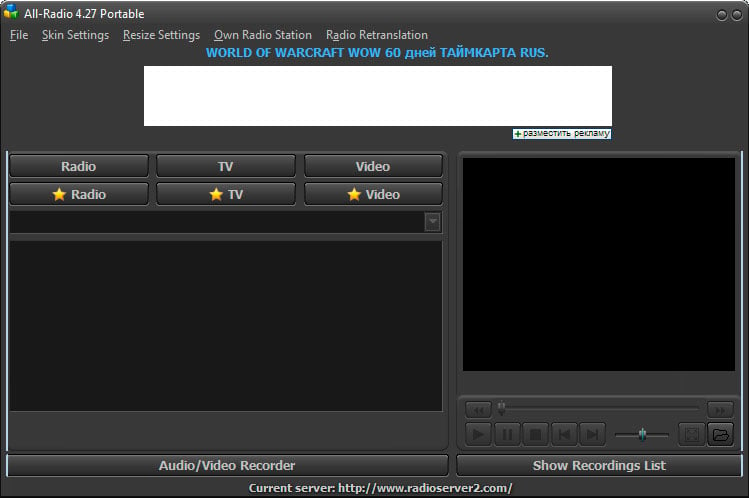
Unfortunately, while some security programs are able to remove parts of the infection, the rootkit component needs manual removal help. Due to this, if you are infected with this malware, I strongly suggest that you create a malware removal help topic in our Virus Removal forum in order to receive one-on-one help in cleaning your computer. Some of the VirusTotal scans associated with this infection have also indicated that an information stealing Trojan could have been installed by this malware bundle as well. Therefore, it is strongly suggested that you change your passwords using a clean machine if you had logged into any accounts while infected. 6/29/18: The story has been updated to specify that this malware campaign is targeting Windows computers.
Would it be so difficult to place somewhere in an "Operating System" tagged posting which operating system was affected? Slashdot folks really might have more than one OS in their areas and it would be nice to know which is at risk right at the top.
You clearly have no clue as to how expensive writing a new Operating System would be. Hell, just look back at when Apple needed to replace Mac OS and had to endure bringing back that smug turtle neck wearing megalomaniac bastard as CEO just to get an OS that wasn't some Open Source cheeseball
Yet another reason to not waste your money on "virus protection." Use the free Windows Defender if you must, and make sure you have good backups.
"First they came for the slanderers and i said nothing."
Some viruses are hard to remove
Spending one day looking into something is now called "researching heavily".
On the serious side, I've often been annoyed by Windows 10 aggressively pushing updates, but there have been some interesting security features added to recent builds. Microsoft has a demo website with some good information, along with some tools for testing your configuration.
There is also a video online that details the new features.