 Slashdot Mirror
How Fracking Companies Use Facebook Surveillance To Ban Protest (vice.com)
An anonymous reader quotes a report from Motherboard: Facebook is being used by oil and gas companies to clamp-down on protest. Three companies are currently seeking injunctions against protesters: British chemical giant INEOS, which has the largest number of shale gas drilling licenses in the UK; and small UK outfits UK Oil and Gas (UKOG), and Europa Oil and Gas. Among the thousands of pages of documents submitted to British courts by these companies are hundreds of Facebook and Twitter posts from anti-fracking protesters and campaign groups, uncovered by Motherboard in partnership with investigative journalists at DeSmog UK. They show how fracking companies are using social media surveillance carried out by a private firm to strengthen their cases in court by discrediting activists using personal information to justify banning their protests.
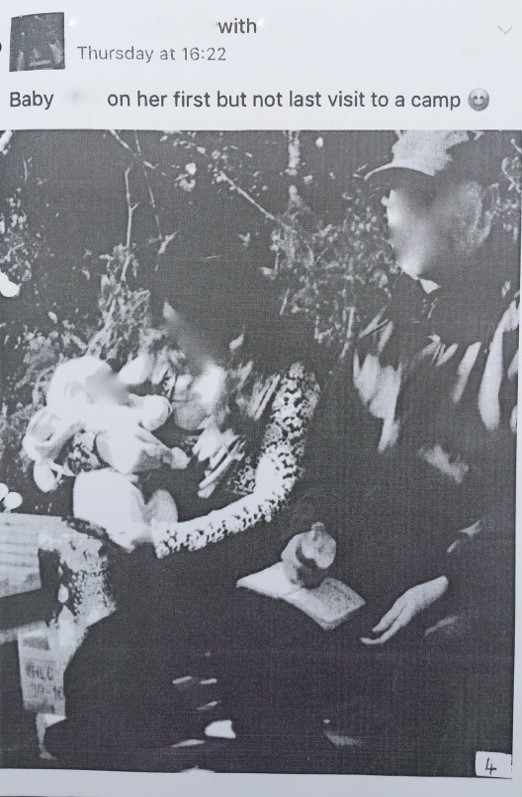
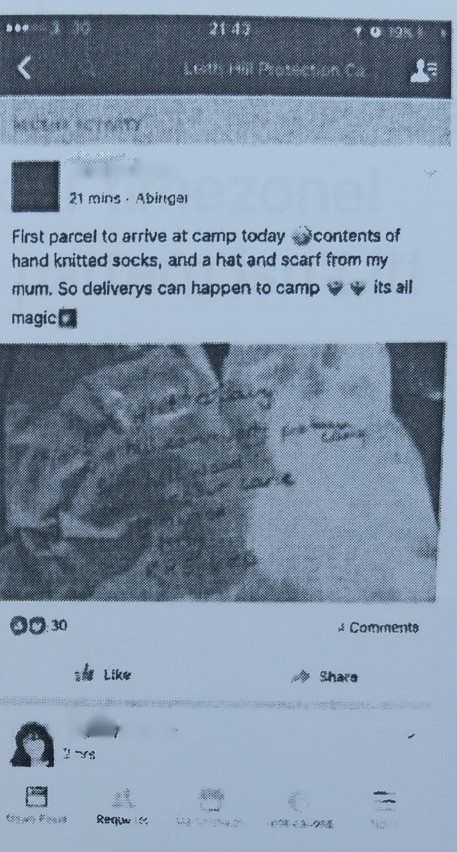
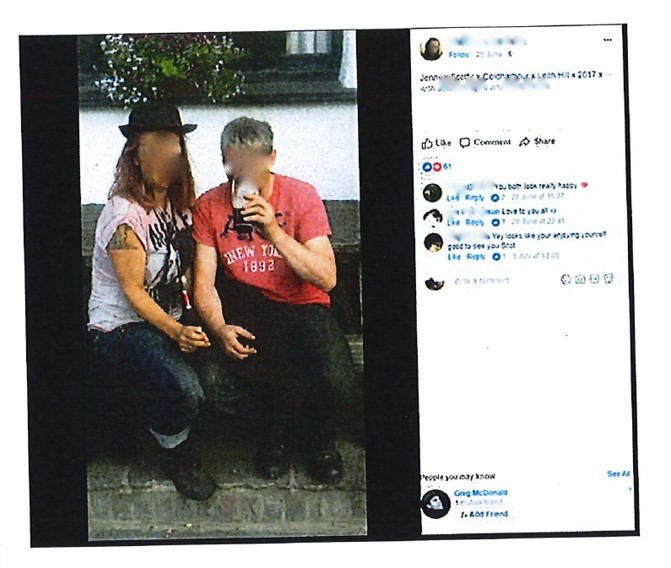
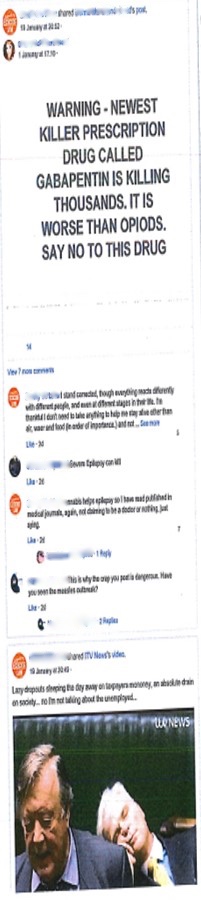
Included in the evidence supplied by the oil and gas companies to the courts are many personal or seemingly irrelevant campaigner posts. Some are from conversations on Facebook groups dedicated to particular protests or camps, while others have been captured from individuals' own profile pages. For instance, a picture of a mother with her baby at a protest was submitted as part of the Europa Oil and Gas case. Another screenshot of a post in the Europa bundle shows a hand-written note from one of the protesters' mothers accompanying a care package with hand-knitted socks that was sent to an anti-fracking camp. One post included in the UKOG hearing bundle shows two protesters sharing a pint in the sun -- not at a protest camp, nor shared on any of the campaign pages' Facebook groups. A screenshot from INEOS's hearing bundle shows posts from a protester to his own Facebook wall regarding completely unrelated issues such as prescription drugs, and a generic moan about his manager.
Included in the evidence supplied by the oil and gas companies to the courts are many personal or seemingly irrelevant campaigner posts. Some are from conversations on Facebook groups dedicated to particular protests or camps, while others have been captured from individuals' own profile pages. For instance, a picture of a mother with her baby at a protest was submitted as part of the Europa Oil and Gas case. Another screenshot of a post in the Europa bundle shows a hand-written note from one of the protesters' mothers accompanying a care package with hand-knitted socks that was sent to an anti-fracking camp. One post included in the UKOG hearing bundle shows two protesters sharing a pint in the sun -- not at a protest camp, nor shared on any of the campaign pages' Facebook groups. A screenshot from INEOS's hearing bundle shows posts from a protester to his own Facebook wall regarding completely unrelated issues such as prescription drugs, and a generic moan about his manager.
This comment thread ...
... now has a second comment. Does what you wrote above still apply?
So...
A protester posts lots of information publicly on social media. Then someone else uses that to build a profile of them and to try to demonstrate that they are likely to commit trespass etc.
I fail to see why this is surprising or interesting. No-one has breached anyone's privacy. It's no different from a PI following what you do in public - like meeting your intern for a drink in a secluded wine bar - and then reporting back to parties (like your spouse) who might want to act on that information.
Hint to protesters - if you are doing something vaguely clandestine or not-entirely-legal maybe don't put your whole life on social media. Just a tip.
-----
It's the usual horseshit from Vice.
Basically the fracking companies, who to be fair are asshats, have been trying to get injunctions to stop protests. As part of this effort they have been mining the protesters' social media accounts. Their claim is that most of the people on the protest are useful idiots who were duped into attending on Facebook or something equally incoherent and ridiculous.
To establish this claim they have been submitting random memes about bad bosses and photos of people bringing their children to the (non-violent, family friendly) protests.
I think the point that Vice is trying to make is that it's both a technique favoured by trolls (quote mining, forcing the defendant to provide context and justification for posts that are edited and presented in isolation) and an attempt to confuse the famously non-tech-savvy courts. But Vice's journalism is so poor it's hard to tell, especially the ones at Motherboard.
const int one = 65536; (Silvermoon, Texture.cs)
SJW, n: "Someone I don't like, and by the way I'm a fuckwit" - AC