Slashdot Mirror
Domain: freebsd.org
Stories and comments across the archive that link to freebsd.org.
Comments · 3,599
-
Re:*BSD is dying
Good News Everyone!
Turns out that *BSD is stronger than ever!
According to an Inernetnews article, Netcraft has confirmed that *BSD has "dramatically increased its market penetration over the last year."
There has been a steady increase in *BSD developers over the past decade.
There are currently 307 FreeBSD developers as of the 2004 core team election.
You can read more about FreeBSD here
If you would like to try out a BSD, you can download: FreeBSD, OpenBSD, NetBSD, or DragonflyBSD
Enjoy! -
Re:Upward compatibility?
Just to let you know, not all Free operating systems have such poor backward compatibility. Applications compiled under FreeBSD as long as ten years ago can run under modern releases simply by installing the compatibility libraries (compat4x, etc.) which are part of the base system.
From the FreeBSD install notes:
The compat1x, compat20, compat21, compat22, compat3x, and compat4x directories contain distributions for compatibility with older releases and are distributed as single gzip'd tar files - they can be installed during release time or later by running their install.sh scripts.
http://www.freebsd.org/releases/5.2.1R/installatio n-alpha.html
I'm not sure why this feature isn't noticed more often. How hard would it be for Linux to have the same system in place?
Zev -
Forced Upgrades
With the cost of upgrades, the continued security holes, the perceived instability, the required activation, and the neutering of XP Home... I really don't see myself or others upgrading from Win98 or Win2K without being forced to.
How's that going to happen? Microsoft is going to have to discontinue support for those operating systems.
And, I suspect that's their longer term plan. By cutting support, when the next window of bit-rot or software bloat forces a user to consider their options, I think Microsoft is banking on intimidating them into a newer version of the OS, no matter the cost.
It was precisely the anticipation of this world wide event that made me switch to using Apple's OS X (based on FreeBSD!) and start finding non-Microsoft solutions via Linux.
I've found a new mouth piece as well. When I went to evangelize alternate solutions to friends and family, I got the standard "but you're a geek" roll of the eyes. I was, however, able to convert my wife of alternatives to Microsoft with the use of applications such as Mozilla's Firefox as a browser replacement to get rid of pop-ups/adware and Thunderbird to stop her from getting infected with viruses.
Upon learning that there are alternative solutions with better features that let her not have to deal with everyday annoyances, she was an easy sell on Linux, and now uses Putty and SSHing -- something I never thought I'd see!
She's the one who gets creditability marks with her friends. They know she's an artist and not a computer geek. If she's raving about it, they want to try it, because obviously it's not above their level.
Linux, however, is going to have to compete hard with Microsoft. It isn't Linux's free price tag or outstanding stabilily that's holding it back. It's complexity.
The learning curve is too great for the non-technical user to setup and immediately start using it. Microsoft scores big when it comes to easy install for a basic system, and they actually do automatic updates quite well from a simplicity standpoint.
What many geeks don't get is simple computer users are willing to give up power and features for ease of use. If someone put out a basic distribution that auto-detected hardware, did an easy install, and set up the basic environment with nothing but the standard Office tools -- much like a dumbed down version of Mandrake or BeOS or the free OpenBeOS version.
Microsoft sees that "we don't get it" and aren't catering a special distribution to "grandma", and with that fact they leverage Windows into homes, knowing that once someone invests in learning something, they usually don't switch without good cause (frustration, cost, or inapplicability to task). -
All the cool people are doing it...
Roll calling a few of our other favorite groups...
Free Software Foundation: Yep, say they're tax-deductable.
Electronic Frontier Foundation: Yep, they say they have 501(c)(3) compliance.
FreeBSD Foundation: Yep, section 2.5.1 on this page says they're tax-deductable too.
Seems like it'll take some work to find an OSS-supporting group that can't accept tax deductable donations. -
Re:*BSD is dying
Good News Everyone!
Turns out that *BSD is stronger than ever!
According to an Inernetnews article, Netcraft has confirmed that *BSD has "dramatically increased its market penetration over the last year."
There has been a steady increase in *BSD developers over the past decade.
There are currently 307 FreeBSD developers as of the 2004 core team election.
You can read more about FreeBSD here
If you would like to try out a BSD, you can download: FreeBSD, OpenBSD, NetBSD, or DragonflyBSD
Enjoy! -
Re:*BSD is dying
Good News Everyone!
Turns out that *BSD is stronger than ever!
According to an Inernetnews article, Netcraft has confirmed that *BSD has "dramatically increased its market penetration over the last year."
There has been a steady increase in *BSD developers over the past decade.
There are currently 307 FreeBSD developers as of the 2004 core team election.
You can read more about FreeBSD here
If you would like to try out a BSD, you can download: FreeBSD, OpenBSD, NetBSD, or DragonflyBSD
Enjoy! -
Re:*BSD is dying
Good News Everyone!
Turns out that *BSD is stronger than ever!
According to an Inernetnews article, Netcraft has confirmed that *BSD has "dramatically increased its market penetration over the last year."
There has been a steady increase in *BSD developers over the past decade.
There are currently 307 FreeBSD developers as of the 2004 core team election.
You can read more about FreeBSD here
If you would like to try out a BSD, you can download: FreeBSD, OpenBSD, NetBSD, or DragonflyBSD
Enjoy! -
Re:*BSD is dying
Good News Everyone!
Turns out that *BSD is stronger than ever!
According to an Inernetnews article, Netcraft has confirmed that *BSD has "dramatically increased its market penetration over the last year."
There has been a steady increase in *BSD developers over the past decade.
There are currently 307 FreeBSD developers as of the 2004 core team election.
You can read more about FreeBSD here
If you would like to try out a BSD, you can download: FreeBSD, OpenBSD, NetBSD, or DragonflyBSD
Enjoy! -
Re:*BSD is dying
Good News Everyone!
Turns out that *BSD is stronger than ever!
According to an Inernetnews article, Netcraft has confirmed that *BSD has "dramatically increased its market penetration over the last year."
There has been a steady increase in *BSD developers over the past decade.
There are currently 307 FreeBSD developers as of the 2004 core team election.
You can read more about FreeBSD here
If you would like to try out a BSD, you can download: FreeBSD, OpenBSD, NetBSD, or DragonflyBSD
Enjoy! -
Re:*BSD is dying
Good News Everyone!
Turns out that *BSD is stronger than ever!
According to an Inernetnews article, Netcraft has confirmed that *BSD has "dramatically increased its market penetration over the last year."
There has been a steady increase in *BSD developers over the past decade.
There are currently 307 FreeBSD developers as of the 2004 core team election.
You can read more about FreeBSD here
If you would like to try out a BSD, you can download: FreeBSD, OpenBSD, NetBSD, or DragonflyBSD
Enjoy! -
Re:*BSD be dying
Good News Everyone!
Turns out that *BSD is stronger than ever!
According to an Inernetnews article, Netcraft has confirmed that *BSD has "dramatically increased its market penetration over the last year."
There has been a steady increase in *BSD developers over the past decade.
There are currently 307 FreeBSD developers as of the 2004 core team election.
You can read more about FreeBSD here
If you would like to try out a BSD, you can download: FreeBSD, OpenBSD, NetBSD, or DragonflyBSD
Enjoy! -
Re:*BSD be dying
Good News Everyone!
Turns out that *BSD is stronger than ever!
According to an Inernetnews article, Netcraft has confirmed that *BSD has "dramatically increased its market penetration over the last year."
There has been a steady increase in *BSD developers over the past decade.
There are currently 307 FreeBSD developers as of the 2004 core team election.
You can read more about FreeBSD here
If you would like to try out a BSD, you can download: FreeBSD, OpenBSD, NetBSD, or DragonflyBSD
Enjoy! -
Re:*BSD be dying
Good News Everyone!
Turns out that *BSD is stronger than ever!
According to an Inernetnews article, Netcraft has confirmed that *BSD has "dramatically increased its market penetration over the last year."
There has been a steady increase in *BSD developers over the past decade.
There are currently 307 FreeBSD developers as of the 2004 core team election.
You can read more about FreeBSD here
If you would like to try out a BSD, you can download: FreeBSD, OpenBSD, NetBSD, or DragonflyBSD
Enjoy! -
Re:xnu is the mach and BSD kernels
Unless I'm totally offbase (I'm going from memory here), the xnu module is just the mach kernel. The BSD portion is located in another module.
You do have a point in so far as Darwin's kernel modules allow lots of things to be moved entirely out of the kernel package. (more so than Linux's kernel modules, which are really more like compiled in stubs that can dynamically load in their implementation) There is an entire BSD kernel with the xnu package that sits on top of (or more accurately in Darwin's case "along side") the Mach microkernel.
Since are now the second person to quote me that passage out of the Darwin Kernel Programming guide, lets look at them piece by piece.
- file systems
- FreeBSD
-
- VFS
- the UFS and FFS file systems
-
Notice how the vfs files are located in a different directory. Notice that the copyrights are different (in the Apple code, most of the BSD copyright notices are from the '80s until about 1993.) and that the license has what the FSF called the "obnoxious advertising clause") Notice that some of the function; their names and arguments are different and some added and removed functions on each side. At points, there are different algorithms. Also, the Apple one is much more likely to make use of gcc extensions like __inline__. Notice the ACL support in the FreeBSD code that isn't in the Darwin code and the journalling code that isn't in FreeBSD.
networking (except for the hardware device level)
The Darwin version of the berkeley packet filter code has an RCS string mentioning FreeBSD, but a 2001 timestamp. The Darwin version also has a "#ifdef __APPLE__" that isn't in the FreeBSD version. The bridging code has similar connections and looks like it was grabbed from FreeBSD some years ago and diverged. The rest of the code has chunks that are the same, but divergent differences, early BSD copyright dates, and looks like the diverged much earlier.
UNIX security model
the file kern_prot.c is where a lot of this takes place.
Notice that the Darwin code still uses pre-ANSI C calling convensions, while the FreeBSD version was converted to ANSI style some years ago. Also note that even the earliest sources on the FreeBSD CVS repository and the Darwin sources have differences. The FreeBSD version has references to things like "defined(COMPAT_SUNOS)" that aren't in Darwin.
syscall support
-
Re:xnu is the mach and BSD kernels
Unless I'm totally offbase (I'm going from memory here), the xnu module is just the mach kernel. The BSD portion is located in another module.
You do have a point in so far as Darwin's kernel modules allow lots of things to be moved entirely out of the kernel package. (more so than Linux's kernel modules, which are really more like compiled in stubs that can dynamically load in their implementation) There is an entire BSD kernel with the xnu package that sits on top of (or more accurately in Darwin's case "along side") the Mach microkernel.
Since are now the second person to quote me that passage out of the Darwin Kernel Programming guide, lets look at them piece by piece.
- file systems
- FreeBSD
-
- VFS
- the UFS and FFS file systems
-
Notice how the vfs files are located in a different directory. Notice that the copyrights are different (in the Apple code, most of the BSD copyright notices are from the '80s until about 1993.) and that the license has what the FSF called the "obnoxious advertising clause") Notice that some of the function; their names and arguments are different and some added and removed functions on each side. At points, there are different algorithms. Also, the Apple one is much more likely to make use of gcc extensions like __inline__. Notice the ACL support in the FreeBSD code that isn't in the Darwin code and the journalling code that isn't in FreeBSD.
networking (except for the hardware device level)
The Darwin version of the berkeley packet filter code has an RCS string mentioning FreeBSD, but a 2001 timestamp. The Darwin version also has a "#ifdef __APPLE__" that isn't in the FreeBSD version. The bridging code has similar connections and looks like it was grabbed from FreeBSD some years ago and diverged. The rest of the code has chunks that are the same, but divergent differences, early BSD copyright dates, and looks like the diverged much earlier.
UNIX security model
the file kern_prot.c is where a lot of this takes place.
Notice that the Darwin code still uses pre-ANSI C calling convensions, while the FreeBSD version was converted to ANSI style some years ago. Also note that even the earliest sources on the FreeBSD CVS repository and the Darwin sources have differences. The FreeBSD version has references to things like "defined(COMPAT_SUNOS)" that aren't in Darwin.
syscall support
-
Re:xnu is the mach and BSD kernels
Unless I'm totally offbase (I'm going from memory here), the xnu module is just the mach kernel. The BSD portion is located in another module.
You do have a point in so far as Darwin's kernel modules allow lots of things to be moved entirely out of the kernel package. (more so than Linux's kernel modules, which are really more like compiled in stubs that can dynamically load in their implementation) There is an entire BSD kernel with the xnu package that sits on top of (or more accurately in Darwin's case "along side") the Mach microkernel.
Since are now the second person to quote me that passage out of the Darwin Kernel Programming guide, lets look at them piece by piece.
- file systems
- FreeBSD
-
- VFS
- the UFS and FFS file systems
-
Notice how the vfs files are located in a different directory. Notice that the copyrights are different (in the Apple code, most of the BSD copyright notices are from the '80s until about 1993.) and that the license has what the FSF called the "obnoxious advertising clause") Notice that some of the function; their names and arguments are different and some added and removed functions on each side. At points, there are different algorithms. Also, the Apple one is much more likely to make use of gcc extensions like __inline__. Notice the ACL support in the FreeBSD code that isn't in the Darwin code and the journalling code that isn't in FreeBSD.
networking (except for the hardware device level)
The Darwin version of the berkeley packet filter code has an RCS string mentioning FreeBSD, but a 2001 timestamp. The Darwin version also has a "#ifdef __APPLE__" that isn't in the FreeBSD version. The bridging code has similar connections and looks like it was grabbed from FreeBSD some years ago and diverged. The rest of the code has chunks that are the same, but divergent differences, early BSD copyright dates, and looks like the diverged much earlier.
UNIX security model
the file kern_prot.c is where a lot of this takes place.
Notice that the Darwin code still uses pre-ANSI C calling convensions, while the FreeBSD version was converted to ANSI style some years ago. Also note that even the earliest sources on the FreeBSD CVS repository and the Darwin sources have differences. The FreeBSD version has references to things like "defined(COMPAT_SUNOS)" that aren't in Darwin.
syscall support
-
Re:xnu is the mach and BSD kernels
Unless I'm totally offbase (I'm going from memory here), the xnu module is just the mach kernel. The BSD portion is located in another module.
You do have a point in so far as Darwin's kernel modules allow lots of things to be moved entirely out of the kernel package. (more so than Linux's kernel modules, which are really more like compiled in stubs that can dynamically load in their implementation) There is an entire BSD kernel with the xnu package that sits on top of (or more accurately in Darwin's case "along side") the Mach microkernel.
Since are now the second person to quote me that passage out of the Darwin Kernel Programming guide, lets look at them piece by piece.
- file systems
- FreeBSD
-
- VFS
- the UFS and FFS file systems
-
Notice how the vfs files are located in a different directory. Notice that the copyrights are different (in the Apple code, most of the BSD copyright notices are from the '80s until about 1993.) and that the license has what the FSF called the "obnoxious advertising clause") Notice that some of the function; their names and arguments are different and some added and removed functions on each side. At points, there are different algorithms. Also, the Apple one is much more likely to make use of gcc extensions like __inline__. Notice the ACL support in the FreeBSD code that isn't in the Darwin code and the journalling code that isn't in FreeBSD.
networking (except for the hardware device level)
The Darwin version of the berkeley packet filter code has an RCS string mentioning FreeBSD, but a 2001 timestamp. The Darwin version also has a "#ifdef __APPLE__" that isn't in the FreeBSD version. The bridging code has similar connections and looks like it was grabbed from FreeBSD some years ago and diverged. The rest of the code has chunks that are the same, but divergent differences, early BSD copyright dates, and looks like the diverged much earlier.
UNIX security model
the file kern_prot.c is where a lot of this takes place.
Notice that the Darwin code still uses pre-ANSI C calling convensions, while the FreeBSD version was converted to ANSI style some years ago. Also note that even the earliest sources on the FreeBSD CVS repository and the Darwin sources have differences. The FreeBSD version has references to things like "defined(COMPAT_SUNOS)" that aren't in Darwin.
syscall support
-
Re:xnu is the mach and BSD kernels
Unless I'm totally offbase (I'm going from memory here), the xnu module is just the mach kernel. The BSD portion is located in another module.
You do have a point in so far as Darwin's kernel modules allow lots of things to be moved entirely out of the kernel package. (more so than Linux's kernel modules, which are really more like compiled in stubs that can dynamically load in their implementation) There is an entire BSD kernel with the xnu package that sits on top of (or more accurately in Darwin's case "along side") the Mach microkernel.
Since are now the second person to quote me that passage out of the Darwin Kernel Programming guide, lets look at them piece by piece.
- file systems
- FreeBSD
-
- VFS
- the UFS and FFS file systems
-
Notice how the vfs files are located in a different directory. Notice that the copyrights are different (in the Apple code, most of the BSD copyright notices are from the '80s until about 1993.) and that the license has what the FSF called the "obnoxious advertising clause") Notice that some of the function; their names and arguments are different and some added and removed functions on each side. At points, there are different algorithms. Also, the Apple one is much more likely to make use of gcc extensions like __inline__. Notice the ACL support in the FreeBSD code that isn't in the Darwin code and the journalling code that isn't in FreeBSD.
networking (except for the hardware device level)
The Darwin version of the berkeley packet filter code has an RCS string mentioning FreeBSD, but a 2001 timestamp. The Darwin version also has a "#ifdef __APPLE__" that isn't in the FreeBSD version. The bridging code has similar connections and looks like it was grabbed from FreeBSD some years ago and diverged. The rest of the code has chunks that are the same, but divergent differences, early BSD copyright dates, and looks like the diverged much earlier.
UNIX security model
the file kern_prot.c is where a lot of this takes place.
Notice that the Darwin code still uses pre-ANSI C calling convensions, while the FreeBSD version was converted to ANSI style some years ago. Also note that even the earliest sources on the FreeBSD CVS repository and the Darwin sources have differences. The FreeBSD version has references to things like "defined(COMPAT_SUNOS)" that aren't in Darwin.
syscall support
-
Re:xnu is the mach and BSD kernels
Unless I'm totally offbase (I'm going from memory here), the xnu module is just the mach kernel. The BSD portion is located in another module.
You do have a point in so far as Darwin's kernel modules allow lots of things to be moved entirely out of the kernel package. (more so than Linux's kernel modules, which are really more like compiled in stubs that can dynamically load in their implementation) There is an entire BSD kernel with the xnu package that sits on top of (or more accurately in Darwin's case "along side") the Mach microkernel.
Since are now the second person to quote me that passage out of the Darwin Kernel Programming guide, lets look at them piece by piece.
- file systems
- FreeBSD
-
- VFS
- the UFS and FFS file systems
-
Notice how the vfs files are located in a different directory. Notice that the copyrights are different (in the Apple code, most of the BSD copyright notices are from the '80s until about 1993.) and that the license has what the FSF called the "obnoxious advertising clause") Notice that some of the function; their names and arguments are different and some added and removed functions on each side. At points, there are different algorithms. Also, the Apple one is much more likely to make use of gcc extensions like __inline__. Notice the ACL support in the FreeBSD code that isn't in the Darwin code and the journalling code that isn't in FreeBSD.
networking (except for the hardware device level)
The Darwin version of the berkeley packet filter code has an RCS string mentioning FreeBSD, but a 2001 timestamp. The Darwin version also has a "#ifdef __APPLE__" that isn't in the FreeBSD version. The bridging code has similar connections and looks like it was grabbed from FreeBSD some years ago and diverged. The rest of the code has chunks that are the same, but divergent differences, early BSD copyright dates, and looks like the diverged much earlier.
UNIX security model
the file kern_prot.c is where a lot of this takes place.
Notice that the Darwin code still uses pre-ANSI C calling convensions, while the FreeBSD version was converted to ANSI style some years ago. Also note that even the earliest sources on the FreeBSD CVS repository and the Darwin sources have differences. The FreeBSD version has references to things like "defined(COMPAT_SUNOS)" that aren't in Darwin.
syscall support
-
Re:*BSD is dying
Good News Everyone!
Turns out that *BSD is stronger than ever!
According to an Inernetnews article, Netcraft has confirmed that *BSD has "dramatically increased its market penetration over the last year."
There has been a steady increase in *BSD developers over the past decade.
You can read more about FreeBSD here
If you would like to try out a BSD, you can download: FreeBSD, OpenBSD, NetBSD, or DragonflyBSD
Enjoy! -
Re:*BSD is dying
Good News Everyone!
Turns out that *BSD is stronger than ever!
According to an Inernetnews article, Netcraft has confirmed that *BSD has "dramatically increased its market penetration over the last year."
There has been a steady increase in *BSD developers over the past decade.
You can read more about FreeBSD here
If you would like to try out a BSD, you can download: FreeBSD, OpenBSD, NetBSD, or DragonflyBSD
Enjoy! -
BSD Laptops w/Gorgeous Babes!
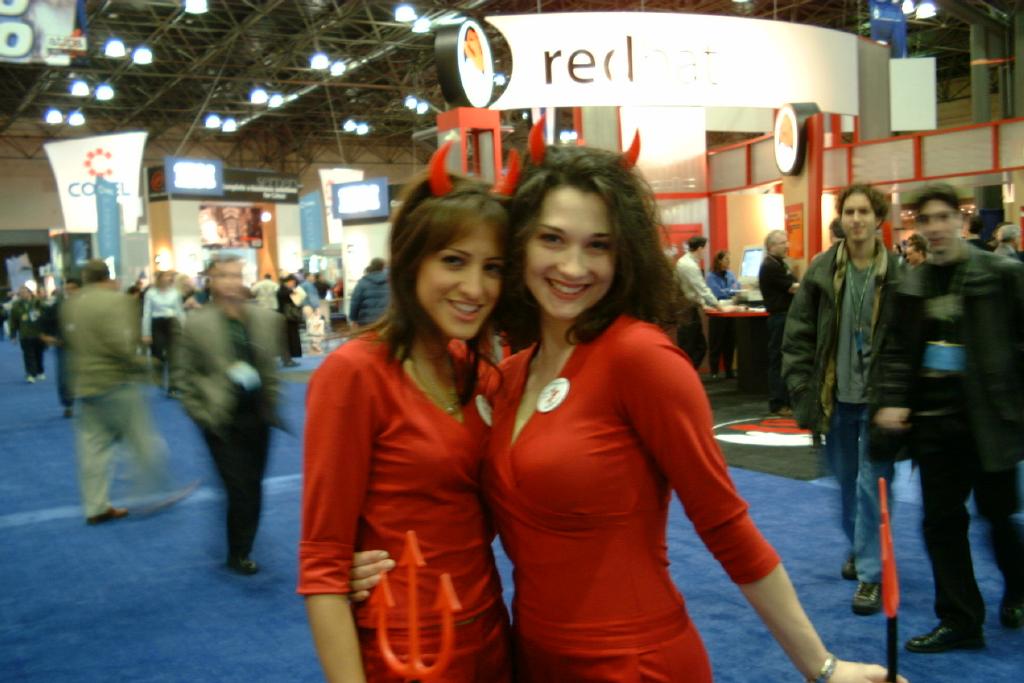
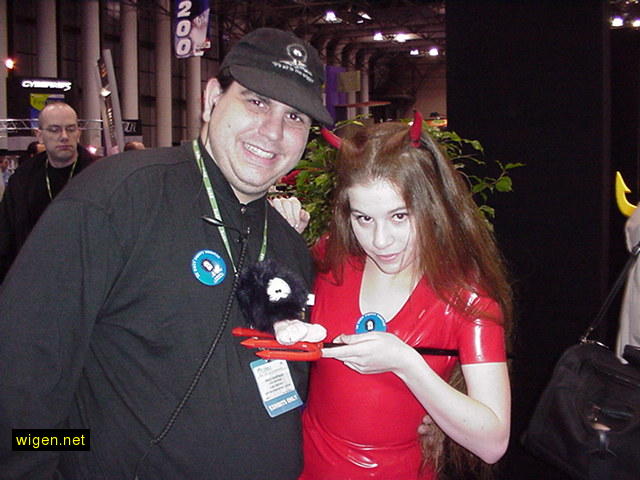
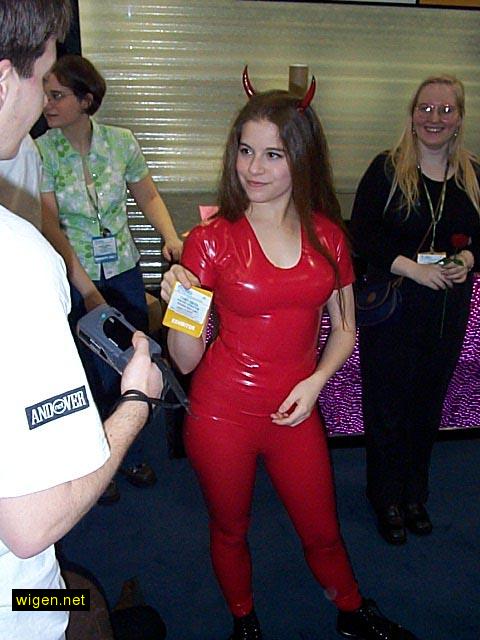
Is it any wonder people think Linux users are a bunch of flaming homosexuals when its fronted by obviously gay losers like these?! BSD has a mascot who leaves us in no doubt that this is the OS for real men! If Linux had more hot chicks and gorgeous babes then maybe it would be able to compete with BSD! Hell this girl should be a model!
Linux is a joke as long as it continues to lack sexy girls like her! I mean just look at this girl! Doesn't she excite you? I know this little hottie puts me in need of a cold shower! This guy looks like he is about to cream his pants standing next to such a fox. As you can see, no man can resist this sexy little minx. Don't you wish the guy in this pic was you? Are you telling me you wouldn't like to get your hands on this ass?! Wouldn't this just make your Christmas?! Yes doctor, this uber babe definitely gets my pulse racing! Oh how I envy the lucky girl in this shot! Linux has nothing that can possibly compete. Come on, you must admit she is better than an overweight penguin or a gay looking goat! Wouldn't this be more liklely to influence your choice of OS?
With sexy chicks like the lovely Ceren you could have people queuing up to buy open source products. Could you really refuse to buy a copy of BSD if she told you to? Personally I know I would give my right arm to get this close to such a divine beauty!
Don't be a fag! Join the campaign for more cute open source babes today!
$Id: ceren.html,v 7.0 2004/01/01 11:32:04 ceren_rocks Exp $ -
900 emails...
Heck I get at least 900 virus emails everyday sometimes over 2000 a day.
Thanks to the guys over at Clam Anti Virus and MailScanner most of these get caught at the mail server.
We have a daily humor mailing list with a few 100,000 subscribers and every time a new virus comes out we get blasted from all the unprotected windows/outlook express users.
To make sure we don't get infected and send out virus to all the users we use FreeBSD for our desktop OS and Evolution as our email client.
Oh and then there is all the spam we get sent, thanks to SpamAssassin for filtering most of this out. -
hot girl update!
Is it any wonder people think Linux users are a bunch of flaming homosexuals when its fronted by obviously gay losers like these?! BSD has a mascot who leaves us in no doubt that this is the OS for real men! If Linux had more hot chicks and gorgeous babes then maybe it would be able to compete with BSD! Hell this girl should be a model!
Linux is a joke as long as it continues to lack sexy girls like her! I mean just look at this girl! Doesn't she excite you? I know this little hottie puts me in need of a cold shower! This guy looks like he is about to cream his pants standing next to such a fox. As you can see, no man can resist this sexy little minx. Don't you wish the guy in this pic was you? Are you telling me you wouldn't like to get your hands on this ass?! Wouldn't this just make your Christmas?! Yes doctor, this uber babe definitely gets my pulse racing! Oh how I envy the lucky girl in this shot! Linux has nothing that can possibly compete. Come on, you must admit she is better than an overweight penguin or a gay looking goat! Wouldn't this be more liklely to influence your choice of OS?
With sexy chicks like the lovely Ceren you could have people queuing up to buy open source products. Could you really refuse to buy a copy of BSD if she told you to? Personally I know I would give my right arm to get this close to such a divine beauty!
Don't be a fag! Join the campaign for more cute open source babes today!
$Id: ceren.html,v 7.0 2004/01/01 11:32:04 ceren_rocks Exp $ -
custom babes for BSD users!
Is it any wonder people think Linux users are a bunch of flaming homosexuals when its fronted by obviously gay losers like these?! BSD has a mascot who leaves us in no doubt that this is the OS for real men! If Linux had more hot chicks and gorgeous babes then maybe it would be able to compete with BSD! Hell this girl should be a model!
Linux is a joke as long as it continues to lack sexy girls like her! I mean just look at this girl! Doesn't she excite you? I know this little hottie puts me in need of a cold shower! This guy looks like he is about to cream his pants standing next to such a fox. As you can see, no man can resist this sexy little minx. Don't you wish the guy in this pic was you? Are you telling me you wouldn't like to get your hands on this ass?! Wouldn't this just make your Christmas?! Yes doctor, this uber babe definitely gets my pulse racing! Oh how I envy the lucky girl in this shot! Linux has nothing that can possibly compete. Come on, you must admit she is better than an overweight penguin or a gay looking goat! Wouldn't this be more liklely to influence your choice of OS?
With sexy chicks like the lovely Ceren you could have people queuing up to buy open source products. Could you really refuse to buy a copy of BSD if she told you to? Personally I know I would give my right arm to get this close to such a divine beauty!
Don't be a fag! Join the campaign for more cute open source babes today!
$Id: ceren.html,v 7.0 2004/01/01 11:32:04 ceren_rocks Exp $ -
Re:Gentoo
-
Re:a simple solution- use a salt
I think openbsd already does that, when you look at the shadow file there you see something like $1$salt$md5sum
Looking at my fresh copy of "Practical Unix Internet Security" (O'Reilly), page 88:
That's a modular cyrpt format (MCF) for the password, with the sections delineated by '$':
First section: 1 = MD5, 2 = Blowfish
Second: Salt (limited to 16 characters)
Third: Encrypted password (sans salt)
For MD5, the salt is treated as a literal string, possibly base64 encoded. For Blowfish, it's a number indicating how many iterations. Some confustion about whether blowfish is indicated by "$2" or "$2a" or "$5" (may be implementation dependent). -
Re:Stop crying, let's start working!
You mean this FreeBSD JVM?
The TCK is not available to licensees and there is not a cost to developing JVM's. Case in point, Kaffe is a clean room JVM implementation. They pay nothing to do development. They can't call it Java until they pass TCK but even they agree they lack key features of a fully implemented virtual machine. -
My indemnification plan:
Here is my indemnifcation plan.
-
Re:Funny you should say that, GNU/FreeBSD exists.You make it sound like the original poster didn't know of the existance of GNU/FreeBSD. Perhaps s/he didn't know how to make a link.
Because they didn't link to FreeBSD I did.
-
Re:ACLs
I have mod points, but I'd rather reply to this: why did this get moderated "Insightful"? At best, it's flamebait, but I'd rather think troll.
wtf this does to ls, chown and chgrp is anyone's guess.
Where have you been the last, um, 10 or 15 years? Can't be bothered to just Google even for a second before going off like this?
I don't pretend to know much about ACLs or their history, but they have been part of many commercial UNIXes for quite some time (first time I came around them was on OSF/1), and they have been implemented semi-recently in Linux and the *BSDs. Samba has had ACL support since the late 2.x days, IIRC. And I have a hunch that Windows NT got it's model from adopting DCE.
So, let's think, what's Apple going to do? Considering that they track FreeBSD 5 closely, and FreeBSD 5 has ACLs?
-
Re:Namig Convention
How many felines are left? Even including "cat" and others, they are bound to run out, aren't they?
At least one rather famous Apple employee likes the name fuzzy hairball - so there are some more (Cougar, Lynx).
Maybe for OS 11 (OS X1?) they will start doing canines or something... Wolf, Coyote, Bear?
The name for the next OpenDarwin release actually is Coyote. So stay tuned for more lupine names here. -
Re:ACLs
Since a lot of code is based on FreeBSD 5.x, check out rwatson's page on POSIX.1e.
ACLs in FreeBSD (and by extension "Tiger") are based on the last public draft of the POSIX.1e document (it was never ratified). The procedure will be the same as is done in Solaris and Linux(?).
chmod and chown do not affect ACLs; to do that you have to use setfacl . When you use ls you do not see the extra ACLs, but a '+' character after the traditional permissions. The '+' tells you that ACLs are present; to view them you have to use getfacl utility. -
Re:ACLs
Since a lot of code is based on FreeBSD 5.x, check out rwatson's page on POSIX.1e.
ACLs in FreeBSD (and by extension "Tiger") are based on the last public draft of the POSIX.1e document (it was never ratified). The procedure will be the same as is done in Solaris and Linux(?).
chmod and chown do not affect ACLs; to do that you have to use setfacl . When you use ls you do not see the extra ACLs, but a '+' character after the traditional permissions. The '+' tells you that ACLs are present; to view them you have to use getfacl utility. -
Re:ACLs
Since a lot of code is based on FreeBSD 5.x, check out rwatson's page on POSIX.1e.
ACLs in FreeBSD (and by extension "Tiger") are based on the last public draft of the POSIX.1e document (it was never ratified). The procedure will be the same as is done in Solaris and Linux(?).
chmod and chown do not affect ACLs; to do that you have to use setfacl . When you use ls you do not see the extra ACLs, but a '+' character after the traditional permissions. The '+' tells you that ACLs are present; to view them you have to use getfacl utility. -
Re:ACLs
Since a lot of code is based on FreeBSD 5.x, check out rwatson's page on POSIX.1e.
ACLs in FreeBSD (and by extension "Tiger") are based on the last public draft of the POSIX.1e document (it was never ratified). The procedure will be the same as is done in Solaris and Linux(?).
chmod and chown do not affect ACLs; to do that you have to use setfacl . When you use ls you do not see the extra ACLs, but a '+' character after the traditional permissions. The '+' tells you that ACLs are present; to view them you have to use getfacl utility. -
Re:ACLs
Since a lot of code is based on FreeBSD 5.x, check out rwatson's page on POSIX.1e.
ACLs in FreeBSD (and by extension "Tiger") are based on the last public draft of the POSIX.1e document (it was never ratified). The procedure will be the same as is done in Solaris and Linux(?).
chmod and chown do not affect ACLs; to do that you have to use setfacl . When you use ls you do not see the extra ACLs, but a '+' character after the traditional permissions. The '+' tells you that ACLs are present; to view them you have to use getfacl utility. -
Re:*BSD is dying
Good news, everyone!
Turns out that *BSD is stronger than ever!
According to an Inernetnews article, Netcraft has confirmed that *BSD has "dramatically increased its market penetration over the last year."
There has been a steady increase in *BSD developers over the past decade.
You can read more about FreeBSD here
If you would like to try out a BSD, you can download: FreeBSD, OpenBSD, NetBSD, or DragonflyBSD
Enjoy! -
Re:*BSD is dying
Good news, everyone!
Turns out that *BSD is stronger than ever!
According to an Inernetnews article, Netcraft has confirmed that *BSD has "dramatically increased its market penetration over the last year."
There has been a steady increase in *BSD developers over the past decade.
You can read more about FreeBSD here
If you would like to try out a BSD, you can download: FreeBSD, OpenBSD, NetBSD, or DragonflyBSD
Enjoy! -
Re:BSD is one dead bitch
You forgot:
DragonflyBSD ekkoBSD PicoBSD
Enjoy -
Re:BSD is one dead bitch
Good news, everyone!
Turns out that *BSD is stronger than ever!
According to an Inernetnews article, Netcraft has confirmed that *BSD has "dramatically increased its market penetration over the last year."
There has been a steady increase in *BSD developers over the past decade.
You can read more about FreeBSD here
If you would like to try out a BSD, you can download: FreeBSD, OpenBSD, or NetBSD
Enjoy! -
Re:BSD is one dead bitch
Good news, everyone!
Turns out that *BSD is stronger than ever!
According to an Inernetnews article, Netcraft has confirmed that *BSD has "dramatically increased its market penetration over the last year."
There has been a steady increase in *BSD developers over the past decade.
You can read more about FreeBSD here
If you would like to try out a BSD, you can download: FreeBSD, OpenBSD, or NetBSD
Enjoy! -
Re:Bikeshed?
LOL! The sad part is that very few of the moderators even know what that reference is to. I think that it is the funniest of all the comments. For those of you that lack understanding, here is what the bikeshed is referring to.
-
Re:Tcp/Ip stack
They are going to open the source of their network protocols. The first thing they are opening is the TCP/IP protocols.
They already have. It's right here.
-
Their servers should be running...
... something better.
-
Re:Screen.
OK, my wish is that someone combined screen with the built-in FreeBSD window(1) application. I like screen better, but the idea of making overlapping windows can be appealing, especially if you need to see multiple output simultaneously. I find window's UI to be horrid, so I don't really use it.
After that gets done, I'd like the resulting application merged into my favorite shell so that my logins automatically had screen's functionality. I particularly like the nohup aspect, where I can start a process and get back to it if I disconnect.
A quick look at the screen manpage indicates you might be able to kludge screen as your login "shell" (having screen spawn your actual shell), although it would create the problem of reconnecting to existing screen sessions instead of creating new ones. Maybe the -R or -x option behavior could be changed to show a list of available sessions if more than one existed and create a new one if none exists. -
Re:Problems with FreeBSDWhat surprises me a little is that you say you got everything working in FreeBSD (kudos to you, a complete Kerberos + LDAP setup isn't easy IMO) and still decided to go with RedHat. It would make more sense if you had looked into setting this stuff up on FreeBSD, saw that it would be fairly complicated, checked out RedHat authconfig, and said "screw FreeBSD, why should I pull my hair out over this?". You've already done the hard work. Pushing it out to multiple machines is easy.
Did you check out Tracking for Multiple Machines in the FreeBSD Handbook? They mention sharing the ports tree as well as the system source tree, which is one of the keys to easy software management across multiple machines. The other key is portupgrade and its pkgtools.conf file which allows you to record your port customizations and have them automatically applied when you install or upgrade software. portupgrade also makes it incredibly easy to build binary packages for stuff you don't want/need to compile on each machine. Like a lot of things in FreeBSD, it's sort of a "suffer once" proposition requiring more configuration work up front (than e.g. RedHat Linux) but easier administration in the long run plus the advantages of building from source. RedHat is almost the exact opposite - easy to get up and running but diffucult to customize because that often means moving away from RPMs which, in turn, can mean that RedHat's nifty config tools won't work because your custom source build wants to install with a different layout than the "official" RedHat RPM.
I assume you didn't run out and buy a copy of "Automating UNIX and Linux Administration", but the techniques described there would solve your "dozens of files to edit" problem - a problem you will undoubtedly encounter with RedHat as well at some point. Using automation techniques, I can bring up a server from bare metal to fully operational with dozens of custom configuration files, properly configured kernel and software built to my or my clients' needs in about an hour (~20 minutes of actual, interactive "work"). Besides saving a lot of time, this approach ensures consistency across a server farm and encourages you to make changes based on their relative merit rather than the amount of labor involved.I doubt that my experience is normal by any stretch
No, I meant your decision to use RedHat because it is easier to get up and running while *BSD generally requires more effort and knowlege for initial deployment but is, IMO, easier to admin in the long run.
I run an OS X Network
Maybe I don't get what you mean by "play nicely" but, in my experience FreeBSD plays better with OS X than RedHat since so many of the user binaries are the same. You'll find that most commands (and their man pages) are identical, which is not the case between OS X and Linux of any flavor.
However, it is typical in that even if you evaluate FreeBSD because it's "better," the fact is it doesn't function like any NOS that IT people are familiar with.
I get your point, but it's kind of funny when you consider that BSD is in many ways the "original" NOS - at least when it comes to TCP/IP. As you infer, this is more a statement of experience and perception than anything else. If your background was in Solaris or other commercial UNIXes, you would feel just the opposite. Having said that, your background is probably representative of more people overall than would be, say, an AIX sysadmin's. My own backgound is more or less normal, "corporate IT" but I (as I'm sure is painfully obvious) would have opted for FreeBSD in your situation, especially if you're talking about a half-dozen or more machines here.
With FreeBSD, it is down to
-
I wanna hear Ceren's voice...
Is it any wonder people think Linux users are a bunch of flaming homosexuals when its fronted by obviously gay losers like these?! BSD has a mascot who leaves us in no doubt that this is the OS for real men! If Linux had more hot chicks and gorgeous babes then maybe it would be able to compete with BSD! Hell this girl should be a model!
Linux is a joke as long as it continues to lack sexy girls like her! I mean just look at this girl! Doesn't she excite you? I know this little hottie puts me in need of a cold shower! This guy looks like he is about to cream his pants standing next to such a fox. As you can see, no man can resist this sexy little minx. Don't you wish the guy in this pic was you? Are you telling me you wouldn't like to get your hands on this ass?! Wouldn't this just make your Christmas?! Yes doctor, this uber babe definitely gets my pulse racing! Oh how I envy the lucky girl in this shot! Linux has nothing that can possibly compete. Come on, you must admit she is better than an overweight penguin or a gay looking goat! Wouldn't this be more liklely to influence your choice of OS?
With sexy chicks like the lovely Ceren you could have people queuing up to buy open source products. Could you really refuse to buy a copy of BSD if she told you to? Personally I know I would give my right arm to get this close to such a divine beauty!
Don't be a fag! Join the campaign for more cute open source babes today!
$Id: ceren.html,v 7.0 2004/01/01 11:32:04 ceren_rocks Exp $ -
BSD pitches gorgeous geek girlie!
Is it any wonder people think Linux users are a bunch of flaming homosexuals when its fronted by obviously gay losers like these?! BSD has a mascot who leaves us in no doubt that this is the OS for real men! If Linux had more hot chicks and gorgeous babes then maybe it would be able to compete with BSD! Hell this girl should be a model!
Linux is a joke as long as it continues to lack sexy girls like her! I mean just look at this girl! Doesn't she excite you? I know this little hottie puts me in need of a cold shower! This guy looks like he is about to cream his pants standing next to such a fox. As you can see, no man can resist this sexy little minx. Don't you wish the guy in this pic was you? Are you telling me you wouldn't like to get your hands on this ass?! Wouldn't this just make your Christmas?! Yes doctor, this uber babe definitely gets my pulse racing! Oh how I envy the lucky girl in this shot! Linux has nothing that can possibly compete. Come on, you must admit she is better than an overweight penguin or a gay looking goat! Wouldn't this be more liklely to influence your choice of OS?
With sexy chicks like the lovely Ceren you could have people queuing up to buy open source products. Could you really refuse to buy a copy of BSD if she told you to? Personally I know I would give my right arm to get this close to such a divine beauty!
Don't be a fag! Join the campaign for more cute open source babes today!
$Id: ceren.html,v 7.0 2004/01/01 11:32:04 ceren_rocks Exp $ -
Re:Suse versus Mandrake?