Slashdot Mirror
Domain: kde.org
Stories and comments across the archive that link to kde.org.
Stories · 648
-
KDE Releases Frameworks 5 Tech Preview
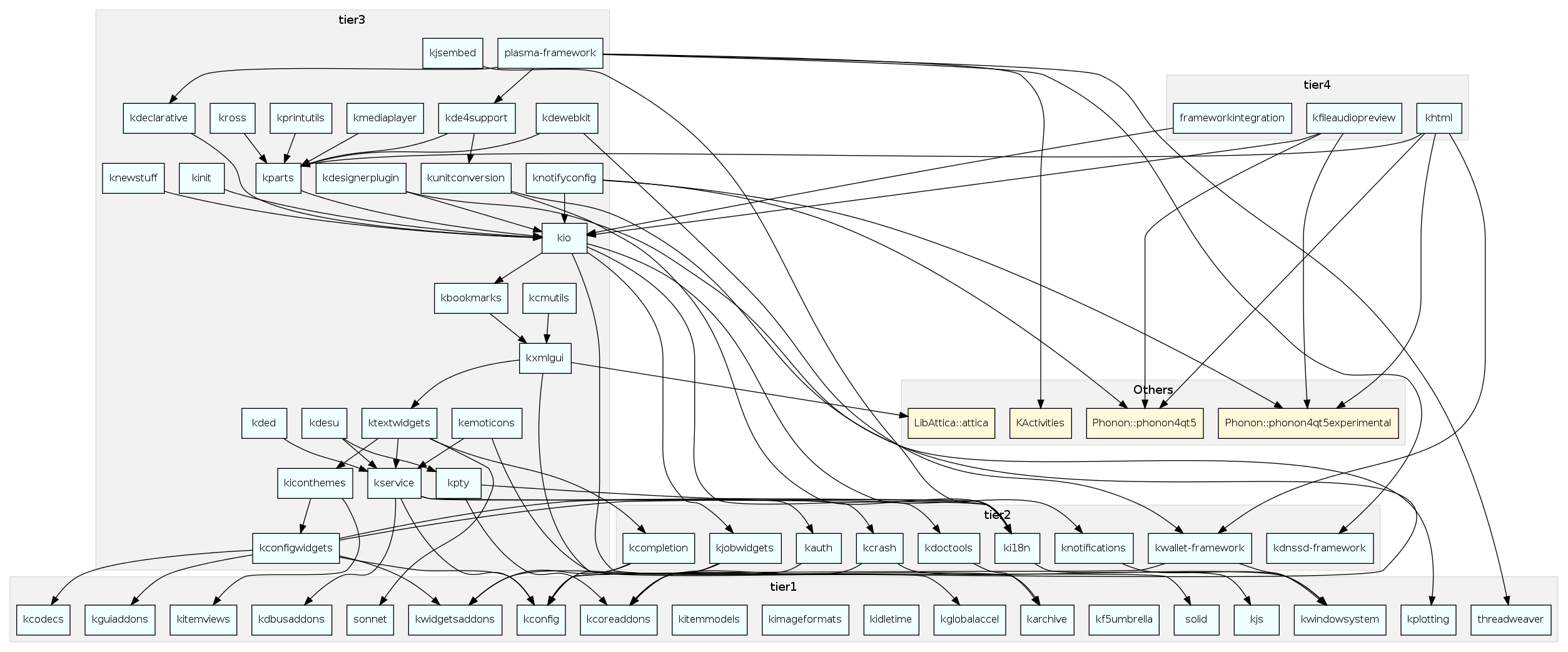
KDE Community writes "The KDE Community is proud to announce a Tech Preview of KDE Frameworks 5. Frameworks 5 is the result of almost three years of work to plan, modularize, review and port the set of libraries previously known as KDElibs or KDE Platform 4 into a set of Qt Addons with well-defined dependencies and abilities, ready for Qt 5. This gives the Qt ecosystem a powerful set of drop-in libraries providing additional functionality for a wide variety of tasks and platforms, based on over 15 years of KDE experience in building applications. Today, all the Frameworks are available in Tech Preview mode; a final release is planned for the first half of 2014. Some Tech Preview addons (notably KArchive and Threadweaver) are more mature than others at this time." Check out that dependency graph. -
KDE Releases Frameworks 5 Tech Preview
KDE Community writes "The KDE Community is proud to announce a Tech Preview of KDE Frameworks 5. Frameworks 5 is the result of almost three years of work to plan, modularize, review and port the set of libraries previously known as KDElibs or KDE Platform 4 into a set of Qt Addons with well-defined dependencies and abilities, ready for Qt 5. This gives the Qt ecosystem a powerful set of drop-in libraries providing additional functionality for a wide variety of tasks and platforms, based on over 15 years of KDE experience in building applications. Today, all the Frameworks are available in Tech Preview mode; a final release is planned for the first half of 2014. Some Tech Preview addons (notably KArchive and Threadweaver) are more mature than others at this time." Check out that dependency graph. -
KDE Releases Applications and Development Platform 4.12
KDE Community writes "The KDE Community is proud to announce the latest major updates to KDE software delivering new features and fixes. With Plasma Workspaces and the KDE Platform frozen and receiving only long term supportt, those teams are focusing on the technical transition to Frameworks 5. This release marks substantial improvements in the KDE PIM stack, giving much better performance and many new features. Kate added new features including initial Vim-macro support, and games and educational applications bring a variety of new features. The announcement for the KDE Applications 4.12 has more information. This release of KDE Platform 4.12 only includes bugfixes and minor optimizations and features. About 20 bugfixes as well as several optimizations have been made to various subsystems. A technology preview of the Next Generation KDE Platform, named KDE Frameworks 5, is coming this month." -
KDE Releases Applications and Development Platform 4.12
KDE Community writes "The KDE Community is proud to announce the latest major updates to KDE software delivering new features and fixes. With Plasma Workspaces and the KDE Platform frozen and receiving only long term supportt, those teams are focusing on the technical transition to Frameworks 5. This release marks substantial improvements in the KDE PIM stack, giving much better performance and many new features. Kate added new features including initial Vim-macro support, and games and educational applications bring a variety of new features. The announcement for the KDE Applications 4.12 has more information. This release of KDE Platform 4.12 only includes bugfixes and minor optimizations and features. About 20 bugfixes as well as several optimizations have been made to various subsystems. A technology preview of the Next Generation KDE Platform, named KDE Frameworks 5, is coming this month." -
KDE Releases Applications and Development Platform 4.12
KDE Community writes "The KDE Community is proud to announce the latest major updates to KDE software delivering new features and fixes. With Plasma Workspaces and the KDE Platform frozen and receiving only long term supportt, those teams are focusing on the technical transition to Frameworks 5. This release marks substantial improvements in the KDE PIM stack, giving much better performance and many new features. Kate added new features including initial Vim-macro support, and games and educational applications bring a variety of new features. The announcement for the KDE Applications 4.12 has more information. This release of KDE Platform 4.12 only includes bugfixes and minor optimizations and features. About 20 bugfixes as well as several optimizations have been made to various subsystems. A technology preview of the Next Generation KDE Platform, named KDE Frameworks 5, is coming this month." -
Google Launches Voice Search Hotword Extension For Chrome
An anonymous reader writes "Google has launched the Google Voice Search Hotword extension for Chrome, bringing the 'OK Google' feature to the desktop. You can download the new tool, currently in beta, now directly from the Chrome Web Store. Android users with version 4.4 KitKat will recognize the feature: it lets you talk to Google without first clicking or typing. It's completely hands-free, provided you're already on Google.com: just say 'OK Google' and then ask your question." Quick, someone wire Pocketsphinx up to Firefox, or integrate Simon into Krunner. -
Google Launches Voice Search Hotword Extension For Chrome
An anonymous reader writes "Google has launched the Google Voice Search Hotword extension for Chrome, bringing the 'OK Google' feature to the desktop. You can download the new tool, currently in beta, now directly from the Chrome Web Store. Android users with version 4.4 KitKat will recognize the feature: it lets you talk to Google without first clicking or typing. It's completely hands-free, provided you're already on Google.com: just say 'OK Google' and then ask your question." Quick, someone wire Pocketsphinx up to Firefox, or integrate Simon into Krunner. -
Frameworks 5: KDE Libraries Reworked Into Portable Qt Modules
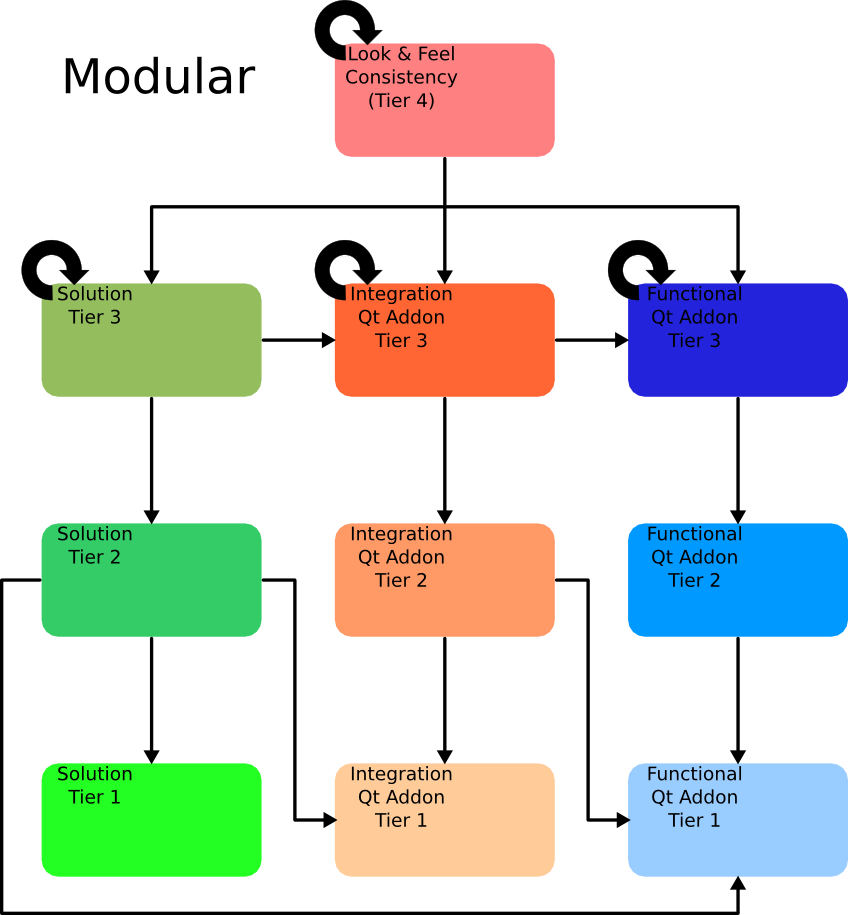
jrepin writes "The KDE libraries are being methodically reworked into a set of cross platform modules that will be readily available to all Qt developers. The KDE Frameworks, designed as drop-in Qt Addons, will enrich Qt as a development environment with functions that simplify, accelerate and reduce the cost of Qt development. For example, KArchive (one of the first Frameworks available) offers support for many popular compression codecs in a self-contained and easy-to-use file archiving library. Just feed it files; there's no need to reinvent an archiving function." This is a pretty major thing: "The introduction of Qt's Open Governance model in late 2011 offered the opportunity for KDE developers to get more closely involved with Qt, KDE's most important upstream resource. ... These contributions to Qt form the basis for further modularization of the KDE libraries. The libraries are moving from being a singular 'platform' to a set of 'Frameworks'. ... Instead it is a comprehensive set of technologies that becomes available to the whole Qt ecosystem." The new KDE Frameworks will be layered as three tiers of components, with each tier consisting of three semi-independent groups of libraries (the article explains the category/tier dependencies; it's a bit hairy for a quick summary). A dashboard shows the status of each component. -
Frameworks 5: KDE Libraries Reworked Into Portable Qt Modules
jrepin writes "The KDE libraries are being methodically reworked into a set of cross platform modules that will be readily available to all Qt developers. The KDE Frameworks, designed as drop-in Qt Addons, will enrich Qt as a development environment with functions that simplify, accelerate and reduce the cost of Qt development. For example, KArchive (one of the first Frameworks available) offers support for many popular compression codecs in a self-contained and easy-to-use file archiving library. Just feed it files; there's no need to reinvent an archiving function." This is a pretty major thing: "The introduction of Qt's Open Governance model in late 2011 offered the opportunity for KDE developers to get more closely involved with Qt, KDE's most important upstream resource. ... These contributions to Qt form the basis for further modularization of the KDE libraries. The libraries are moving from being a singular 'platform' to a set of 'Frameworks'. ... Instead it is a comprehensive set of technologies that becomes available to the whole Qt ecosystem." The new KDE Frameworks will be layered as three tiers of components, with each tier consisting of three semi-independent groups of libraries (the article explains the category/tier dependencies; it's a bit hairy for a quick summary). A dashboard shows the status of each component. -
Frameworks 5: KDE Libraries Reworked Into Portable Qt Modules
jrepin writes "The KDE libraries are being methodically reworked into a set of cross platform modules that will be readily available to all Qt developers. The KDE Frameworks, designed as drop-in Qt Addons, will enrich Qt as a development environment with functions that simplify, accelerate and reduce the cost of Qt development. For example, KArchive (one of the first Frameworks available) offers support for many popular compression codecs in a self-contained and easy-to-use file archiving library. Just feed it files; there's no need to reinvent an archiving function." This is a pretty major thing: "The introduction of Qt's Open Governance model in late 2011 offered the opportunity for KDE developers to get more closely involved with Qt, KDE's most important upstream resource. ... These contributions to Qt form the basis for further modularization of the KDE libraries. The libraries are moving from being a singular 'platform' to a set of 'Frameworks'. ... Instead it is a comprehensive set of technologies that becomes available to the whole Qt ecosystem." The new KDE Frameworks will be layered as three tiers of components, with each tier consisting of three semi-independent groups of libraries (the article explains the category/tier dependencies; it's a bit hairy for a quick summary). A dashboard shows the status of each component. -
Frameworks 5: KDE Libraries Reworked Into Portable Qt Modules
jrepin writes "The KDE libraries are being methodically reworked into a set of cross platform modules that will be readily available to all Qt developers. The KDE Frameworks, designed as drop-in Qt Addons, will enrich Qt as a development environment with functions that simplify, accelerate and reduce the cost of Qt development. For example, KArchive (one of the first Frameworks available) offers support for many popular compression codecs in a self-contained and easy-to-use file archiving library. Just feed it files; there's no need to reinvent an archiving function." This is a pretty major thing: "The introduction of Qt's Open Governance model in late 2011 offered the opportunity for KDE developers to get more closely involved with Qt, KDE's most important upstream resource. ... These contributions to Qt form the basis for further modularization of the KDE libraries. The libraries are moving from being a singular 'platform' to a set of 'Frameworks'. ... Instead it is a comprehensive set of technologies that becomes available to the whole Qt ecosystem." The new KDE Frameworks will be layered as three tiers of components, with each tier consisting of three semi-independent groups of libraries (the article explains the category/tier dependencies; it's a bit hairy for a quick summary). A dashboard shows the status of each component. -
Amarok 2.8 "Return To the Origin" Released
jrepin writes "Music player Amarok 2.8 has been released and it brings a fancy audio analyzer visualization applet, smooth fade-out when pausing music, many UI improvements and visual tweaks including better support for alternate color themes, significantly enhanced MusicBrainz tagger, power management awareness with a pair of new configuration options, and performance optimizations and responsiveness tuning all over Amarok." -
KDE Software Compilation 4.11 Released
jrepin writes "The KDE community has released version 4.11 of Software Compilation, which is dedicated to the memory of Atul 'toolz' Chitnis, a great Free and Open Source Software champion from India. This version of Plasma Workspaces will be supported for at least two years, and delivers further improvements to basic functionality with a smoother taskbar, smarter battery widget and improved sound mixer. The introduction of KScreen brings intelligent multi-monitor handling. KWin window manager incorporates first experimental support for Wayland. This release marks massive improvements in the Kontact PIM suite, giving much better performance and many new features, like scam detection and scheduling e-mail sending. Kate text editor improves the productivity of Python and Javascript developers with new plugins, Dolphin file manager became faster, and the educational applications bring various new features. The Nepomuk semantic storage and search engine received substantial performance improvements." The performance enhancements to nepomuk (KDE's semantic desktop engine) are particularly welcome. This release of the Plasma desktop also marks the end of Plasma version one; primary development focus will now switch to updating KDE for Qt 5. There should still be more updates to KDE 4, however. Also released recently by the KDE team was the first RC of Plasma Media Center 1.1. -
KDE Software Compilation 4.11 Released
jrepin writes "The KDE community has released version 4.11 of Software Compilation, which is dedicated to the memory of Atul 'toolz' Chitnis, a great Free and Open Source Software champion from India. This version of Plasma Workspaces will be supported for at least two years, and delivers further improvements to basic functionality with a smoother taskbar, smarter battery widget and improved sound mixer. The introduction of KScreen brings intelligent multi-monitor handling. KWin window manager incorporates first experimental support for Wayland. This release marks massive improvements in the Kontact PIM suite, giving much better performance and many new features, like scam detection and scheduling e-mail sending. Kate text editor improves the productivity of Python and Javascript developers with new plugins, Dolphin file manager became faster, and the educational applications bring various new features. The Nepomuk semantic storage and search engine received substantial performance improvements." The performance enhancements to nepomuk (KDE's semantic desktop engine) are particularly welcome. This release of the Plasma desktop also marks the end of Plasma version one; primary development focus will now switch to updating KDE for Qt 5. There should still be more updates to KDE 4, however. Also released recently by the KDE team was the first RC of Plasma Media Center 1.1. -
Google Announces Android 4.3, Netflix, New Nexus 7, and Q Successor Chromecast
At a press conference dubbed "Breakfast With Sundar," Google announced two new pieces of hardware and a minor revision to Android. Complete stories and commentary are still coming in, but in the mean time you can skim a liveblog or two First is the new Nexus 7. The hardware is slightly improved (full HD screen, better graphics, etc.). The specs managed to "leak" hours before the event through Best Buy opening preordering too early. On the software side, they've announced a minor revision to Android, 4.3. It features improved Bluetooth support (including Bluetooth 4.0), OpenGL ES 3.0, enhanced internationalization, enhanced DRM, and multi-user support. The multi-user support looks most exciting: now you can share a tablet with more than one person. One of the features Google focused on was restricted profiles: a device owner can create accounts that e.g. cannot make in-app purchases (Junior won't rack up a $3000 bill again). Bad news: Google is implementing stricter DRM for books and video, locking down the entire video stack. The consolation prize is that Netflix will work on more devices and at 1080p. Also demoed were a new version of Chrome that brings the tablet experience closer to the desktop, improved hangouts, and improved maps. Google also appears to be making a push into gaming, emphasizing tablet-only games that integrate into Google+. In addition to gaming, they have secured deals with five major textbook publishers to sell students presumably DRMed electronic textbooks that can be purchased or rented, enhanced with better search and highlighting (because PDF readers don't support those features already). As usual lately, all of the really nice additions to Android are proprietary and tied to Google services, further eroding the open nature of Android. Finally, they announced a tiny $35 dongle named Chromecast that appears to be the successor of the Nexus Q. Running Chrome OS, it connects to any HDMI port, finds your Wi-Fi network, and Just Works (tm) for online video. The online and mobile Youtube and Netflix interfaces will allow you to hit a single button and forward the video to your television as well. Google Music streaming to the television is also supported. The Chromecast looks like a handy little device, hopefully it is turns out it can be reflashed. Of course, when using your browser as a remote, all of the commands go through The Cloud. An SDK and more details on the software side of things are slated for release later today, although conspiciously absent on their supported platforms list is GNU/Linux, listing only Chrome OS and Android. Update: 07/24 18:01 GMT by U L : The Chromecast SDK is out, but with an awfully restrictive license that requires written permission from Google to distribute any cast enabled applications, which appears to make it completely incompatible with Free/Open Source software. -
Are You Sure This Is the Source Code?
oever writes "Software freedom is an interesting concept, but being able to study the source code is useless unless you are certain that the binary you are running corresponds to the alleged source code. It should be possible to recreate the exact binary from the source code. A simple analysis shows that this is very hard in practice, severely limiting the whole point of running free software." -
KDevelop 4.5 Released
jrepin writes "KDE's integrated development environment KDevelop has just reached version 4.5. 'In this new version you will find brand new integration for Unit Tests, so that you can easily run and debug them while working on your projects. Furthermore, you'll find an iteration of our New Class wizard, many changes regarding polishing the UI in different places, better support for C++11 features and some other things you'll find along the way.'" -
KLyDE: Lightweight KDE Desktop In the Making
jrepin writes "During Hack Week 9 at SUSE, longtime KDE hacker Will Stephenson started working on a project codenamed KLyDE. This project's aim is to bring KDE Plasma to the lightweight desktop market. It applies KDE's strengths of modularity and configurability to the challenge of making a lightweight desktop." Better said, Stephenson was able to devote lots of time to it; he's been working on the project for a few years now. -
KDE's Calligra Office Suite For Android Released
jrepin writes "Coffice is a new project that tries to make KDE's Calligra office suite available on mobile platforms like Android, Blackberry 10, Jolla SailfishOS and Ubuntu Phone. Calligra already has some presence on smartphones, since document viewer on Nokia N9 is based on it. The first release brings Calligra Words viewer for OpenDocument Text documents and is currently available for Android only. Plans for later releases include viewers for spredsheets and presentations. Editing and saving as well as support for proprietary Microsoft Office formats are coming later." -
KDE Releases Plasma Media Center 1.0
jrepin writes "KDE is proud to announce the first release (1.0.0) of Plasma Media Center. Built on Plasma and KDE technologies. Designed to offer a rich experience to media enthusiasts. KDE's Plasma Media Center (PMC) is aimed towards a unified media experience on PCs, Tablets, Netbooks, TVs and other devices. Plasma Media Center can be used to view images, play music or watch videos. Media files can be on the local filesystem or accessed with KDE's Desktop Search." The screenshots look OK. You have to build it yourself to try it (looks easy on Ubuntu but not Debian unstable because of a few missing dev packages). -
What's the Best RSS Reader Not Named Google Reader?
Hugh Pickens writes writes "The news that that Google is killing off Google Reader in their annual spring cleaning means hordes of abandoned RSS users will need a new home to get their news fix before July 1, 2013. Sure, Google Reader may not have been the most beautifully designed product to come out of Mountain View, Calif., but it sure was convenient. And now that it's going away, it's evident just how valuable it has been. 'It's a tough question that's not unlike asking what's the best planet to live on not named Earth or the best thing to breathe not named air,' writes Casey Chan. 'Google Reader was that obvious a choice.' So what's the best RSS reader not named Google Reader? Is it Reeder? Or NetNewsWire? Maybe Feedly? Or should we all just ditch RSS and get with Twitter?" Personally, I've taken a liking to Akregator on my desktop and Sparse RSS on my phone (syncing done woefully manually by exporting the list of feeds from my desktop reader and importing into the phone reader now and then). Update: 03/14 14:43 GMT by T : Depending on your aesthetics and platform of choice, you might like one of these four options, too. -
KDE Releases Plasmate 1.0, A Plasma Workspaces SDK
jrepin writes "The KDE Plasma Workspaces team is excited to announce the first stable release of Plasmate: an add-ons SDK that focuses on ease of use. Plasmate follows the UNIX philosophy of "do one thing, and do it well". As such, it is not a general purpose IDE but rather a tool specifically tailored to creating Plasma Workspace add-ons using non-compiled languages such as QML and Javascript. It guides each step in the process, simplifying and speeding up project creation, development, adding new assets, testing and publishing. The goal of Plasmate is to enable creating something new in seconds and publishing it immediately." -
Gnome Founder Miguel de Icaza Moves To Mac
TrueSatan writes "Miguel de Icaza, via his blog, has explained his gradual move to the Apple Mac platform. 'While I missed the comprehensive Linux toolchain and userland, I did not miss having to chase the proper package for my current version of Linux, or beg someone to package something. Binaries just worked.' Here is one of his main reasons: 'To me, the fragmentation of Linux as a platform, the multiple incompatible distros, and the incompatibilities across versions of the same distro were my Three Mile Island/Chernobyl.' Reaction to his announcement includes a blog post from Jonathan Riddell of Blue Systems/Kubuntu. Given de Icaza's past association with Microsoft (CodePlex Foundation) and the Free Software Foundation's founder Richard Stallman's description of de Icaza as a 'traitor to the free software community,' this might be seen as more of a blow to Microsoft than to GNU/Linux." -
KDE Launches Monthly Updates For Version 4.10
jrepin writes "Today KDE released updates for its Workspaces, Applications and Development Platform. These updates are the first in a series of monthly stabilization updates to the 4.10 series. Over 100 recorded bugfixes include improvements to the Personal Information Management suite Kontact, the Window Manager KWin, and others. KDE's Development Platform has received a number of updates that affect multiple applications." -
KDE 4.10 Released, the Fastest KDE Ever
sfcrazy writes "The KDE team has announced the 4.10 releases of KDE Plasma Workspaces, Applications and Development Platform. It brings many improvements, features and polishes the UI even further, which already is one of the most polished, stable and mature desktop environments. With 4.10 KDE users can experience a much more sane global-menu like implementation without interrupting their workflow. A list of improvements is available here." This release makes major steps toward further Qt Quick/QML integration (more plasmoids are written using QML, you can create animated desktops using QML, etc.). KWin's configuration applet also supports fetching extensions from KDE Look. Perhaps the best improvement is a new indexer for Nepomuk, with claims that the semantic desktop is finally usably fast (after suffering through a multi-week indexing on my laptop, I have to say Nepomuk is really cool, but having an unusable system for that long is not so I for one welcome our new indexing overlords). -
Decade Old KDE Bug Fixed
hypnosec writes "How long does a bug take to get resolved? A week? A month? A year? Well, a bug prevalent in the KDE libraries since 2002 has finally been resolved after a decade it has been revealed. The bug was present in the "Reject Cross-Domain Cookies" feature of KDE Libraries. Thiago Macieira noted in the KDE Libraries Revision 974b14b8 that he observed that his web cookies were being forgotten following a kded restart." -
KDE Software Compilation 4.10 RC1 Released
jrepin writes "Today KDE released the first release candidate for its renewed Workspaces, Applications, and Development Platform. Thanks to the feedback from the betas, KDE already improved the quality noticeably. Further polishing new and old functionality will lead to a rock-stable, fast and beautiful release in January, 2013. One particular change in this RC is an updated look to Plasma workspaces." -
KDE 4.10 Beta1 Released
sfcrazy writes "The KDE team has released the first beta for its renewed Workspaces, Applications, and Development Platform. 'With API, dependency and feature freezes in place, the KDE team's focus is now on fixing bugs and further polishing new and old functionality.' QtQuick in Plasma Workspaces has received a lot of work: 'Plasma Quick, KDE's extensions on top of QtQuick allow deeper integration with the system and more powerful apps and Plasma components. Plasma Containments can now be written in QtQuick. Various Plasma widgets have been rewritten in QtQuick, notably the system tray, pager, notifications, lock & logout, weather and weather station, comic strip and calculator plasmoids. Many performance, quality and usability improvements make Plasma Desktop and Netbook workspaces easier to use.' Here's the Feature Plan for 4.10." -
KDE 4.10 Beta1 Released
sfcrazy writes "The KDE team has released the first beta for its renewed Workspaces, Applications, and Development Platform. 'With API, dependency and feature freezes in place, the KDE team's focus is now on fixing bugs and further polishing new and old functionality.' QtQuick in Plasma Workspaces has received a lot of work: 'Plasma Quick, KDE's extensions on top of QtQuick allow deeper integration with the system and more powerful apps and Plasma components. Plasma Containments can now be written in QtQuick. Various Plasma widgets have been rewritten in QtQuick, notably the system tray, pager, notifications, lock & logout, weather and weather station, comic strip and calculator plasmoids. Many performance, quality and usability improvements make Plasma Desktop and Netbook workspaces easier to use.' Here's the Feature Plan for 4.10." -
KDE Plasma Active 3 Improves Performance, Brings New Apps
jrepin writes "KDE has released the 3rd stable version of Plasma Active, KDE's device-independent user experience. The Plasma Active user interface is touch-friendly and works well across a range of devices. Its Activities function gives users a natural way to organize and access their applications, files and information. Plasma Active Three noticeably improves the user experience with its enhanced and expanded set of apps, improved performance and a new virtual keyboard." -
KDE Plasma Active 3 Improves Performance, Brings New Apps
jrepin writes "KDE has released the 3rd stable version of Plasma Active, KDE's device-independent user experience. The Plasma Active user interface is touch-friendly and works well across a range of devices. Its Activities function gives users a natural way to organize and access their applications, files and information. Plasma Active Three noticeably improves the user experience with its enhanced and expanded set of apps, improved performance and a new virtual keyboard." -
KDE Plasma Active 3 Improves Performance, Brings New Apps
jrepin writes "KDE has released the 3rd stable version of Plasma Active, KDE's device-independent user experience. The Plasma Active user interface is touch-friendly and works well across a range of devices. Its Activities function gives users a natural way to organize and access their applications, files and information. Plasma Active Three noticeably improves the user experience with its enhanced and expanded set of apps, improved performance and a new virtual keyboard." -
KDE Publishes Manifesto
Several readers sent word that KDE has published a manifesto. According to its official announcement, the KDE community's growth over the past 15 years has "created a need for clarity about what pulls us together as a community." It continues, "The KDE Manifesto is not intended to change the organization or the way it works. Its aim is only to describe how the KDE Community sees itself. What binds us together are certain values and their practical implications, without regard for who a person is or what background and skills they bring." The manifesto opens boldly, saying, "We are a community of technologists, designers, writers and advocates who work to ensure freedom for all people through our software." It comes along with more detailed descriptions of the benefits and principles of a KDE project. -
KDE Publishes Manifesto
Several readers sent word that KDE has published a manifesto. According to its official announcement, the KDE community's growth over the past 15 years has "created a need for clarity about what pulls us together as a community." It continues, "The KDE Manifesto is not intended to change the organization or the way it works. Its aim is only to describe how the KDE Community sees itself. What binds us together are certain values and their practical implications, without regard for who a person is or what background and skills they bring." The manifesto opens boldly, saying, "We are a community of technologists, designers, writers and advocates who work to ensure freedom for all people through our software." It comes along with more detailed descriptions of the benefits and principles of a KDE project. -
KDE Publishes Manifesto
Several readers sent word that KDE has published a manifesto. According to its official announcement, the KDE community's growth over the past 15 years has "created a need for clarity about what pulls us together as a community." It continues, "The KDE Manifesto is not intended to change the organization or the way it works. Its aim is only to describe how the KDE Community sees itself. What binds us together are certain values and their practical implications, without regard for who a person is or what background and skills they bring." The manifesto opens boldly, saying, "We are a community of technologists, designers, writers and advocates who work to ensure freedom for all people through our software." It comes along with more detailed descriptions of the benefits and principles of a KDE project. -
KDE Publishes Manifesto
Several readers sent word that KDE has published a manifesto. According to its official announcement, the KDE community's growth over the past 15 years has "created a need for clarity about what pulls us together as a community." It continues, "The KDE Manifesto is not intended to change the organization or the way it works. Its aim is only to describe how the KDE Community sees itself. What binds us together are certain values and their practical implications, without regard for who a person is or what background and skills they bring." The manifesto opens boldly, saying, "We are a community of technologists, designers, writers and advocates who work to ensure freedom for all people through our software." It comes along with more detailed descriptions of the benefits and principles of a KDE project. -
Calligra 2.5 Office and Creativity Suite Released
jrepin writes "The Calligra team is proud and pleased to announce version 2.5 of Calligra, the KDE's office and creativity suite. Words, the word processor, has among other things improved support for editing of tables, tight run-around of text around images, manipulation of table borders, and dragging of text. Sheets, the spreadsheet application has a new stand-alone docker for the cell editor and a new cell tool window with cell formatting controls. Stage, the presentation program, has a number of usability improvements. Flow, the diagram application, has support for new stencils in odf custom shapes. Kexi, the database application, now offers a full screen mode. Krita, the painting application, has a new compositions docker, useful in movie storyboard generation. At the same time as the desktop version, the community also releases a QML based version for tablets and smartphone: Calligra Active." If there's one application here I'd like to see on a (pen) tablet, it's braindump. -
Amarok 2.6 Music Player Released
jrepin writes "KDE is proud to announce version 2.6 of Amarok music player. While it brings a reasonable set of new features, the focus of this release was on bug fixing and improving the overall stability. The new features are a complete overhaul of the iPod, iPad and iPhone support including solid support for device playlists; transcoding for iPod-like and USB Mass Storage devices; the Free Music Chart service is now activated by default; embedded cover support for Ogg and FLAC files; and album art support for tracks on the filesystem and USB Mass Storage devices." -
KDE Announces 4.9 Releases
jrepin writes "KDE announces 4.9 releases of Workspaces, Applications, and Development Platform. Version 4.9 provides many new features, along with improved stability and performance. Some of the highlights include, but are not limited to: more thorough integration of Activities throughout the Workspaces, ability to display metadata (ratings, tags, image and file sizes...) next to file names in Dolphin file manager, Mercurial versioning system support in Dolphin, detachable tabs in Konsole terminal emulator, support for MPRIS2 protocol in various places, ability to store and print PDF annotations from Okular document viewer, Okular can also play videos embedded in PDFs, Lokalize translation tool supports Qt's TS translation files, Kontact PIM suite gains ability to import data from Thunderbird and Evolution, Pairs is a new memory training game added to KDE Education package, and Marble desktop globe includes Open Source Routing Machine and support for bicycle and pedestrian routing. This release is dedicated to the memory of recently deceased KDE contributor Claire Lotion." -
KDE Announces 4.9 Releases
jrepin writes "KDE announces 4.9 releases of Workspaces, Applications, and Development Platform. Version 4.9 provides many new features, along with improved stability and performance. Some of the highlights include, but are not limited to: more thorough integration of Activities throughout the Workspaces, ability to display metadata (ratings, tags, image and file sizes...) next to file names in Dolphin file manager, Mercurial versioning system support in Dolphin, detachable tabs in Konsole terminal emulator, support for MPRIS2 protocol in various places, ability to store and print PDF annotations from Okular document viewer, Okular can also play videos embedded in PDFs, Lokalize translation tool supports Qt's TS translation files, Kontact PIM suite gains ability to import data from Thunderbird and Evolution, Pairs is a new memory training game added to KDE Education package, and Marble desktop globe includes Open Source Routing Machine and support for bicycle and pedestrian routing. This release is dedicated to the memory of recently deceased KDE contributor Claire Lotion." -
KDE Announces 4.9 Releases
jrepin writes "KDE announces 4.9 releases of Workspaces, Applications, and Development Platform. Version 4.9 provides many new features, along with improved stability and performance. Some of the highlights include, but are not limited to: more thorough integration of Activities throughout the Workspaces, ability to display metadata (ratings, tags, image and file sizes...) next to file names in Dolphin file manager, Mercurial versioning system support in Dolphin, detachable tabs in Konsole terminal emulator, support for MPRIS2 protocol in various places, ability to store and print PDF annotations from Okular document viewer, Okular can also play videos embedded in PDFs, Lokalize translation tool supports Qt's TS translation files, Kontact PIM suite gains ability to import data from Thunderbird and Evolution, Pairs is a new memory training game added to KDE Education package, and Marble desktop globe includes Open Source Routing Machine and support for bicycle and pedestrian routing. This release is dedicated to the memory of recently deceased KDE contributor Claire Lotion." -
KDE Announces 4.9 Releases
jrepin writes "KDE announces 4.9 releases of Workspaces, Applications, and Development Platform. Version 4.9 provides many new features, along with improved stability and performance. Some of the highlights include, but are not limited to: more thorough integration of Activities throughout the Workspaces, ability to display metadata (ratings, tags, image and file sizes...) next to file names in Dolphin file manager, Mercurial versioning system support in Dolphin, detachable tabs in Konsole terminal emulator, support for MPRIS2 protocol in various places, ability to store and print PDF annotations from Okular document viewer, Okular can also play videos embedded in PDFs, Lokalize translation tool supports Qt's TS translation files, Kontact PIM suite gains ability to import data from Thunderbird and Evolution, Pairs is a new memory training game added to KDE Education package, and Marble desktop globe includes Open Source Routing Machine and support for bicycle and pedestrian routing. This release is dedicated to the memory of recently deceased KDE contributor Claire Lotion." -
KDE Announces 4.9 Releases
jrepin writes "KDE announces 4.9 releases of Workspaces, Applications, and Development Platform. Version 4.9 provides many new features, along with improved stability and performance. Some of the highlights include, but are not limited to: more thorough integration of Activities throughout the Workspaces, ability to display metadata (ratings, tags, image and file sizes...) next to file names in Dolphin file manager, Mercurial versioning system support in Dolphin, detachable tabs in Konsole terminal emulator, support for MPRIS2 protocol in various places, ability to store and print PDF annotations from Okular document viewer, Okular can also play videos embedded in PDFs, Lokalize translation tool supports Qt's TS translation files, Kontact PIM suite gains ability to import data from Thunderbird and Evolution, Pairs is a new memory training game added to KDE Education package, and Marble desktop globe includes Open Source Routing Machine and support for bicycle and pedestrian routing. This release is dedicated to the memory of recently deceased KDE contributor Claire Lotion." -
KWin Adds Support for QML Decorations
As part of a KDE-wide effort to prepare for Qt 5/QtQuick2, and a push to improve the window manager, KWin now sports QML decoration support. Currently, the C++ API for decorators is "...not very Qt like and requires a strong understanding of how the window decoration in KWin works ... [and] seems to be too difficult to be used." This complexity increases maintenance burden: "In 4.9 we ship four window decorations: the Aurorae theme engine, Oxygen, Plastik, b2 and Laptop. Together they are 10 kSLOC of C++ code and 1 kSLOC QML code (Aurorae). Before Aurorae got ported to QML the size of the decorations was 13 kSLOC. Overall that is about 10 per cent of the KWin source base, which is rather large." Basing his work on the QML version of the Aurorae engine, Martin Gräßlin set out to port Plastik to QML (the C++ version has already bitrotted, and was slated for removal): "After one and a half days of work I’m proud to say that writing decorations in QML is possible. ... In the current state the decoration consists of 370 lines of QML code and I expect to need an additional 100 lines to finish the buttons (they are already functional, that is the close button closes the window) and add some of the configuration options. The same API in C++ consists of 1500 lines of code. So we do not only get fewer lines of code but also a more readable and easier to maintain codebase. For something like a window decoration a declarative approach is much better suited than the imperative C++ way of painting elements." -
KDE Announces 4.9 Beta1 and Testing Initiative
jrepin writes "KDE released the first beta for its version 4.9 of Workspaces, Applications, and Development Platform. With API, dependency and feature freezes in place, the KDE team's focus is now on fixing bugs and further polishing new and old functionality. Highlights of 4.9 include, but are not limited to: Qt Quick in Plasma Workspaces, many improvements in Dolphin file manager, deeper integration of Activities, and many performance improvements. The KDE Community is committed to improving quality substantially with a new program that starts with the 4.9 releases. The 4.9 beta releases are the first phase of a testing process that involves volunteers called 'Beta Testers.' They will receive training, test the two beta releases and report issues through KDE Bugzilla." I was recently forced into installing GNOME 3 (who knew printing required removing GNOME 2); after trying for a while to get Sawfish working again in the deprecated fallback mode, I gave up and tried KDE again. I have to say that I was surprised: KDE 4.5 was unpolished and painful to use whereas 4.7 is pretty slick. With the GNOME 3 developers catering to some seemingly mythical user, it's nice to see the other major desktop using user feedback to make design decisions. -
KDE Announces 4.9 Beta1 and Testing Initiative
jrepin writes "KDE released the first beta for its version 4.9 of Workspaces, Applications, and Development Platform. With API, dependency and feature freezes in place, the KDE team's focus is now on fixing bugs and further polishing new and old functionality. Highlights of 4.9 include, but are not limited to: Qt Quick in Plasma Workspaces, many improvements in Dolphin file manager, deeper integration of Activities, and many performance improvements. The KDE Community is committed to improving quality substantially with a new program that starts with the 4.9 releases. The 4.9 beta releases are the first phase of a testing process that involves volunteers called 'Beta Testers.' They will receive training, test the two beta releases and report issues through KDE Bugzilla." I was recently forced into installing GNOME 3 (who knew printing required removing GNOME 2); after trying for a while to get Sawfish working again in the deprecated fallback mode, I gave up and tried KDE again. I have to say that I was surprised: KDE 4.5 was unpolished and painful to use whereas 4.7 is pretty slick. With the GNOME 3 developers catering to some seemingly mythical user, it's nice to see the other major desktop using user feedback to make design decisions. -
KDE Announces Partner Network
jrepin writes "In the wake of the announcement of the first ever KDE powered tablet, quite a few interesting things are happening in the background. One of them is the formation of a professional Partner Network for devices such as the Vivaldi tablet. The Make Play Live Partner Program is designed to build and support a collaborative business and economic network. Members work together to provide comprehensive professional service and product offerings around Plasma Active and devices such as Vivaldi. Professional support options make it easier to convince potential parties, such as users, clients, customers and partners, bringing KDE software to a larger group of users. Nine organizations have already joined." -
Animated Presentations Using SVG
Inspired by work on work on non-traditional presentations in KDE's Karbon (part of Calligra), Aditya Bhatt set out to create a purely client-side tool for creating animated presentations in the browser. Based upon svg-edit and using Sozi, the initial results are pretty cool. His weblog post documents the process — the choice of SVG versus html5's canvas, Javascript instead of SMIL, etc. highlighting the challenges faced even today with different browsers offering wildly different levels of support for each web technology. The sourcecode for Awwation can be had over at Github. -
Amazon Patents Annotating Books, Digital Works
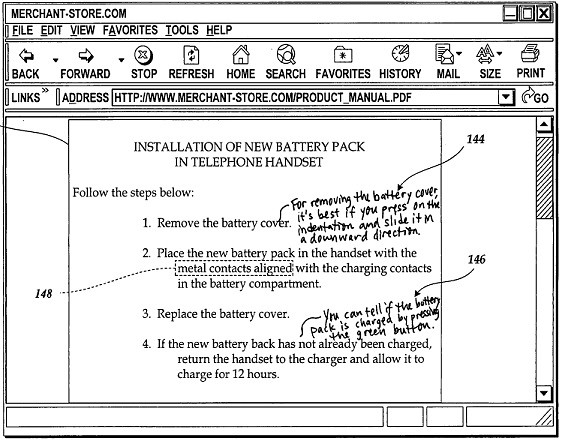
theodp writes "On Tuesday, the USPTO granted Amazon a patent on its Method and System for Providing Annotations of a Digital Work, which covers 'receiving an annotation of the digital work, storing the annotation, and providing the annotation to a user.' This includes annotations received in a graphical or handwriting format, as well as highlighting of text." I think I smell at least one example of prior art. -
KDE Publishes a Book For Beginner Developers
jrepin writes "During a recent 5 day sprint, four KDE contributors planned and produced a handbook for beginning KDE developers. The guide is recommended for every new contributor to KDE development. It outlines technical aspects of contributing to KDE and is a valuable first point of contact for new developers. The guide offers insights into KDE from the developer's point of view, and explains how to check out existing code, modify it and submit patches. Currently the guide only focuses on the coding aspects of KDE. Contributors are welcome (encouraged) to expand the guide to cover other aspects of the KDE Community as well as enhance the existing content in the book. We are currently working on how to release subsequent versions."