Slashdot Mirror
Domain: slidesharecdn.com
Stories and comments across the archive that link to slidesharecdn.com.
Comments · 26
-
regulatory capture
Not that "tech company" is a separate category anymore what with almost every part of industry transforming itself onto a technological base. But every industry from pharma and insuranceto automobilesto appliances is pouring money into politicians with very predictable results. For decades. For centuries. Now I'm supposed to believe the government is actually reigning in capitalism under a Republican president and a heavily Republican-constrained congress? Pull the other one, it squeakes.
-
Re:It Won't Hit A Iceberg
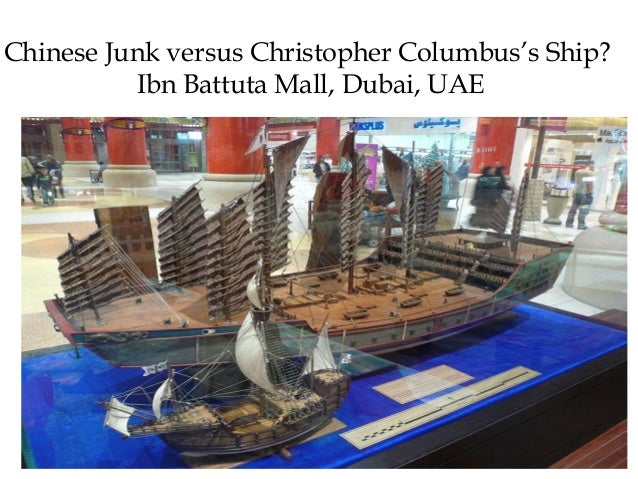
I thought it was a replica of the titanic, not a replica of a chinese junk?
-
Re:No
It's not the left, it's the "centrists."
FTFY
-
Re:becase tech support
-
Re: Wait, all of us?
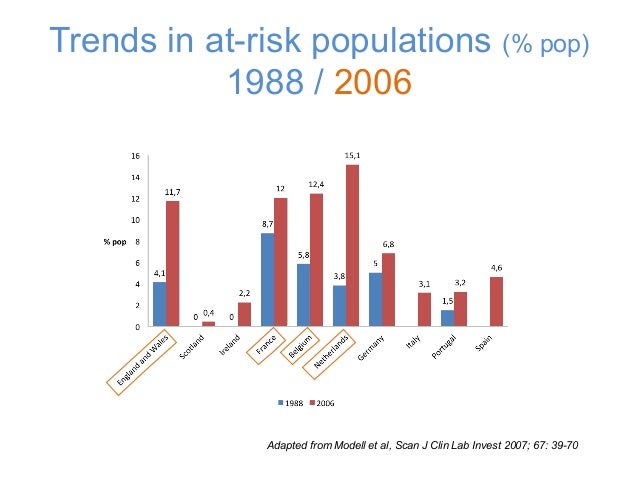
It is a politically loaded subject. But you have to take in account more than the just the emigration. In Belgium/Netherlands, we are talking of allochtoon, the immigrants and their direct descendants. The natality in most European is far higher in allochtoon population than in local population. If you count, just first generation, you will get it wrong).
A good biomarker to evaluate the effect of African emigration is the increase of prevalence in sickle cell disease. In some country, the prevalence got multiplied by 5...
-
Microsoft's Wealth
While it is great that Bill Gates is giving back to the world, it is also worth noting the source of that wealth.
Microsoft has been taxing many innovative companies for over a decade regarding "Intellectual Property". Whether it is through proxies such as Intellectual Ventures and Rockstar Group, or by funding SCO litigation through Baystar, Microsoft has done great harm to the Information Technology field.
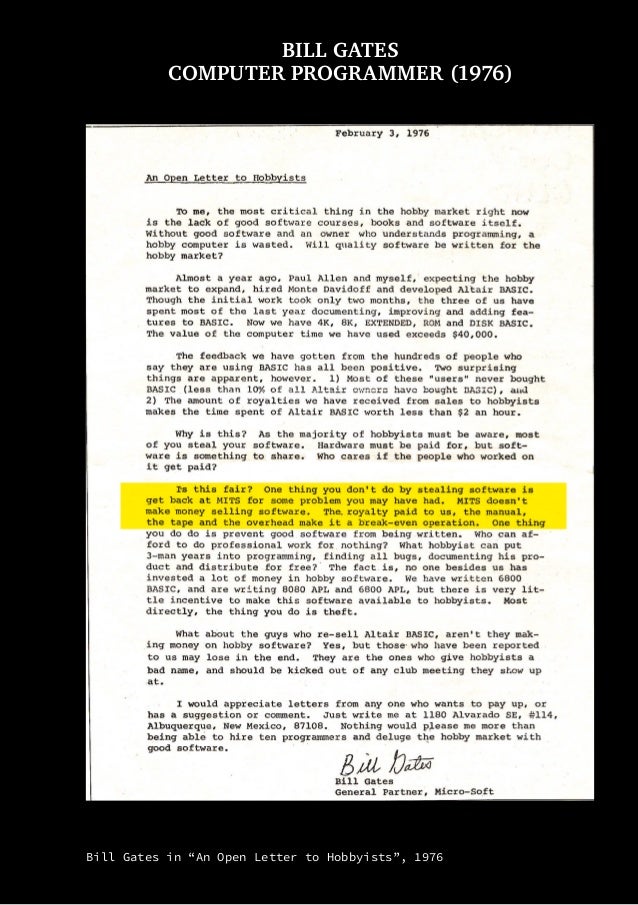
Microsoft goes after individuals too. From Bill Gates famous 1976 letter to hobbyists to the psudo-police tactics of the Business Software Alliance, Microsoft has been treating customers like criminals for decades.
Where does Microsoft get all of their wonderful innovation? Simply by copying others. Embrace Enhance Extinguish. This applies to many of their competitors - Xerox, Netscape, Novell. Nokia, Sun (Java), and many more. Hell, Microsoft even patented SUDO in 2009!
What they don't copy, they buy. Microsoft and Intellectual Ventures has built a massive Patent portfolio, some of which was acquired from publicly funded universities. Vague patents for products that they never deploy are the ammunition that they use to shake-down other companies. With those that do not drink the MS cool-aid, FUD. Fear, Uncertainty, and Doubt is the reason why so many Android vendors pay Microsoft. USB and portable media vendors pay Microsoft for exFAT (hardly an innovation).
Microsoft, a convicted monopolist, has become a tax on innovation, a detriment to the IT industry, and a parasite to all. Bill Gates, Steve Ballmer, Nathan Mhyrvold, and others are personally responsible for this situation. So, call me bitter and twisted, but heed the truth of Richard Stallman's statement when Steve Jobs passed, "I'm not glad he's dead, but I'm glad he's gone." We will see history more clearly when these robber-barons are gone, even if they memorialize themselves through their foundations.
-
Re:Bad comments
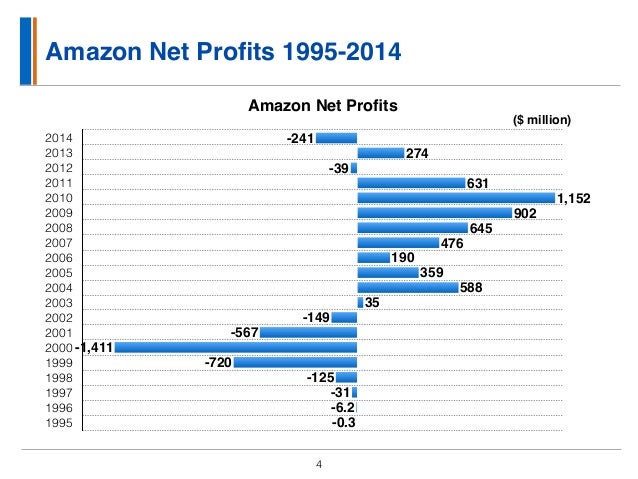
A company undergoing an exponential scaleup is not supposed to be returning profits. They're supposed to be investing every last penny they take in in order to minimize how much additional capital they have to raise to fund the scaleup.
Reminds me of Amazon's profits early on - or rather, the lack of.
-
Re:Notice that they also bought Schaft.
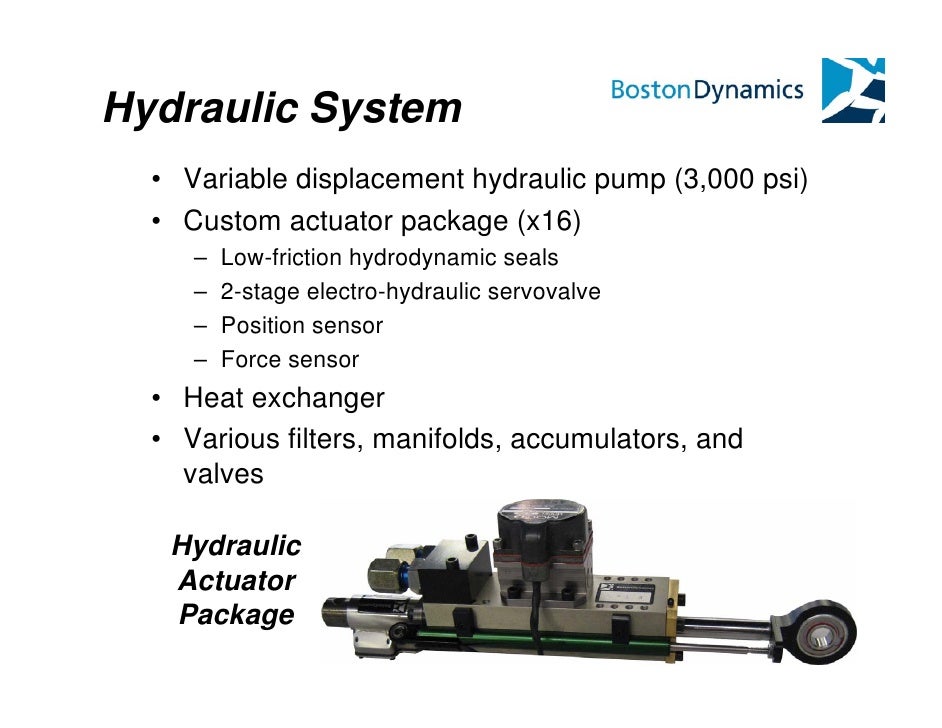
Wrong, bigdog and other Boston Dynamics robots are hydraulic Air makes a lot more noise and being compressible makes it pretty useless outside of industrial machines moving stuff around or compressed air tools.
-
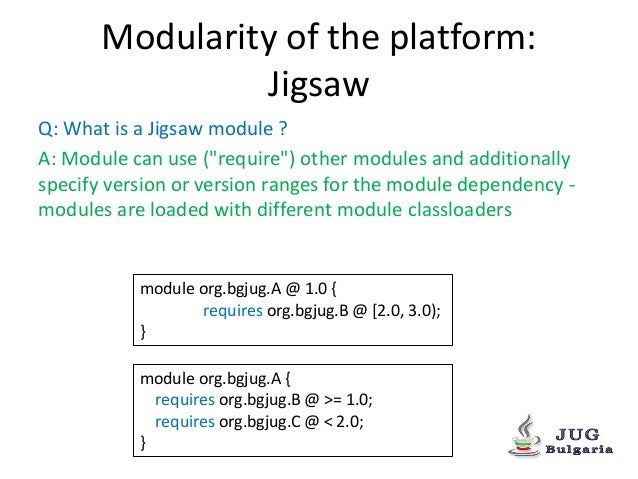
Wildcard Version Requirement Numbers Are Evil
IBM and Red Hat are correct:
Whereas the 2016 documentation stipulates:
"A module's declaration does not include a version string, nor constraints upon the version strings of the modules upon which it depends. This is intentional: It is not a goal of the module system to solve the version-selection problem, which is best left to build tools and container applications."
The State of the Module System
Anything less than Node's package requirements is going to be useless. There should be absolutely no wildcards in major version numbers, with warnings in medium. They are the curse of Node!
-
Re:But is Wayland better?
I'm going to start where a lot of people don't usually start. The actual people who maintain X11. They hate the code base, they just simply don't want to deal with the tangled mess that it is. Seriously go look at a dependency graph of just the xserver or a slightly higher level view of the state of things. Point, no one wants to maintain this mess. Anyone feeling frisky in doing so is strongly encouraged to do so, but the majority of developers who have worked on this in the heyday have long since left the building. The sheer pool size of people working on X is low and fresh blood in the development pool is best described as anemic. Fewer developers working on one project and more on another project pretty much seals the deal on the direction. Arguments of X being better falls on non-existent ears. You want to talk to an X developer? Head over to Wayland, that's where you'll find a lot of them.
Next in line is that X is ineffective at one of the things that it's suppose to do, draw stuff on your screen. (Not even going to touch multi-monitor, sleep, touch input, etc all which have had extensive hacking to get it working and thus resulting in patches of code with serious bus factor one issues.) X11 lacks pretty much everything we take for granted in a modern GUI. Want anti-alias text? Well X11 doesn't do that. Want the concept of an alpha-channel? Not present in X11. Quite literally, X11 does nothing in the way of anything that say KDE, GNOME, Unity, Cinnamon, or whoever wants. Instead, your chosen toolkit is using a library that builds in memory the bits that need to be drawn and if your xserver supports RENDER, your toolkit just gives a stream of bits over to X11 via that method, and X just forwards it on to either the card or to a compositor, which by the way X11 doesn't have a concept of, hence the reason you need one external to the xserver. At some point someone said, if every toolkit is just building bits by themselves and then having X forward it on, why not just cut out the middle man? Why have this extra layer that we keep having to build ad-hoc extensions for? (RENDER, XDamage, RANDR, XFixes **yes literally an extension to fix stuff but mostlly to turn a lot of old X11 stuff off.) All of these wonderful extensions are in reality short circuiting old cruft in a code-ugly fashion. Add in new complexities being added to video cards, functionality that's difficult to eventually get working, and yeah everyone is ready to put the old girl out to pasture. X11's lack of so many things is a roadblock to tapping your card's fully ability, which is why most of the time we're happily ignorant of all of the by-passing of huge parts of the core of an xserver, with the prolific set of extensions that come automatically built into your distro. (which is why a lot of folks never notice and just think that this is the way X was built, but nothing further from the truth could be said. Try building an xserver from source.)
Now let me move on to your points
Network transparency. X11 has it. Wayland doesn't.
If you are using X11 over ssh, you aren't using X11's network transparency. What you are doing is streaming pixels across ssh, but you aren't using anything remotely looking like core X11 protocol. On the remote side, Cario, Qt, Mutter, or someone is drawing pixels and then that gets wrapped into a generic X11 package and sent to you to open up and then have your computer decide what to do with the newly received pixels. There's no commands like "Window A is currently at location x,y. It has a button at rx, ry relative to the top-left corner of the parent widget, blah blah blah." Nope, it's just "here's pixel one, here's pixel two, here's pixel three..." There's no distinction in X between a button in an application running on a remote server and a picture
-
Re:We need more H1B's* to fill the gaps
No, all evidence shows that when an individual human unit gets wealthier, it slows its rapid breeding. Humans don't need to produce more children when fewer die out, either, as a society.
As a population, a human society includes a gradient of wealth. The expansion of that society causes scarcity pressures, which eventually limit that expansion. Those limits are felt at different levels in different ways.
Think about food. If you have fertile land in good climate to produce food for 10,000,000 people, and have a population of 5,000,000, what happens if you raise your population by 20%? You add 1,000,000 people. You've still got the same specifications for making food: if you have to expend 10% of your population to make food, then before you had 500,000 people working on food production (farmers, fertilizer chemists, shipping, tractor makers, tool makers, etc.), and now you have an additional 100,000.
With that expansion, there's 20% more food, 20% more people, and 20% more hours of each type of labor going into making the food. The cost per unit of food required for each person is unchanged.
Now what happens if you have 10,000,000 people and bump by 20%?
You now have 2,000,000 more people to feed, and you have to farm on less-viable land. You need more irrigation and more fertilizer. You get lower yield, so need to farm over a wider span of land. That means more farm hands, more seeding, and an increase in all inputs (e.g. you need more fuel for the tractors, more water irrigating that whole span, twice the fertilizer to handle twice the land area, etc.).
Up to now, 2 million people required 200,000 laborers to make food. Now it requires 400,000 for these additional 2 million mouths to feed. That means the marginal cost of food is higher--in total, 11.67% instead of 10% of your population works on making food.
That means 1.67% of your income which was spent on other things is instead spent on food production. Those other things aren't made (less wealth) because they can't be bought. For rich people, this is essentially-unimportant: food requirements are generally constant, and rich people buy more-expensive food (pay for additional luxury) and so have both flexibility and an existing deep investment in luxury--and they still pay a very small portion of their income for food, even if they're eating caviar and lobster.
As you get into middle-class and poor, this increase in the cost of food reduces wealth substantially. The middle-class feel poorer; the poorest can't afford to eat. Because of this pressure, they also don't have the capacity to rear families, and will tend to slow down population growth.
As shown by history, resolving this scarcity pressure causes a population increase. This has been demonstrated as recently as 2006, where the recession caused slowed population growth in the United States, and the reduction of unemployment lead to a notable but small increase in population growth (see 2008-2012 versus the employment-population ratio and the unemployment rate as indicators of factors impacting how Americans perceive their access to financial stability). Back in the early 1900s, scarcity of food in particular lead to development of new fertilizers and intensive farming techniques; since the 1950s, world population has been on a sharper upward trend. It keeps happening.
A sharp increase in the sense of stability among family-minded Americans who would like to start a family or have a larger family but who don't feel they can afford it right now will lead to the obvious: sudden financial stability, the perceived capacity to enlarge their family as they've always dreamed, and more children. So it is, so it's always been.
-
And they WADDLED off to the next Trump protest
Bitching about misogyny all the way
FTFY - Hostile femipiggies waddle, they don't float.
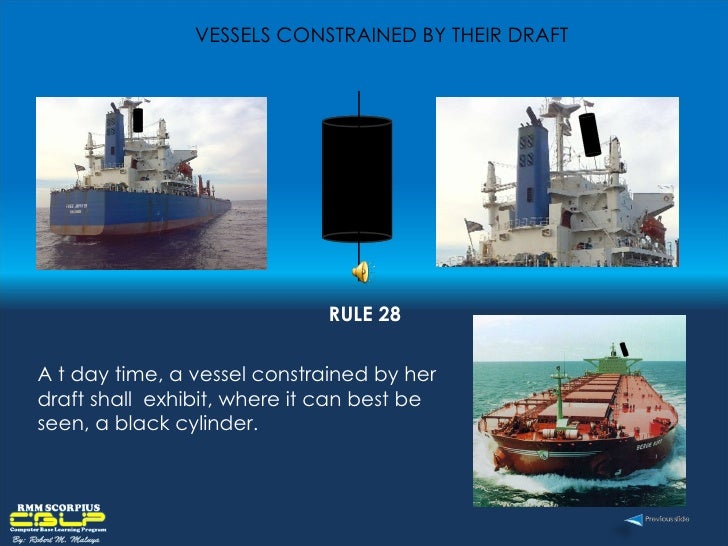
Were they floating, they'd need to display a "vessel constrained by draft" day shape in order to be in accordance with international shipping regulations.
-
Re:Part of Trump's plan
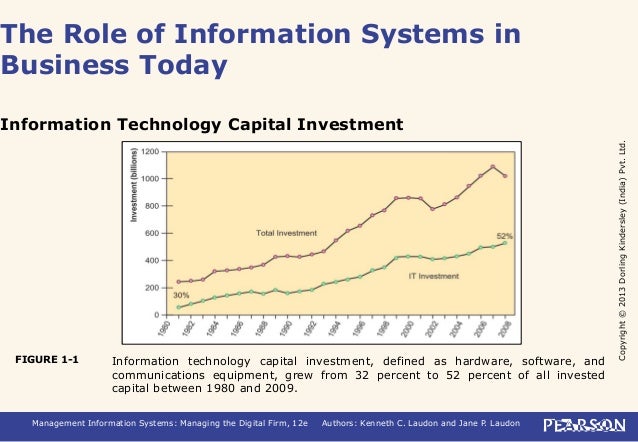
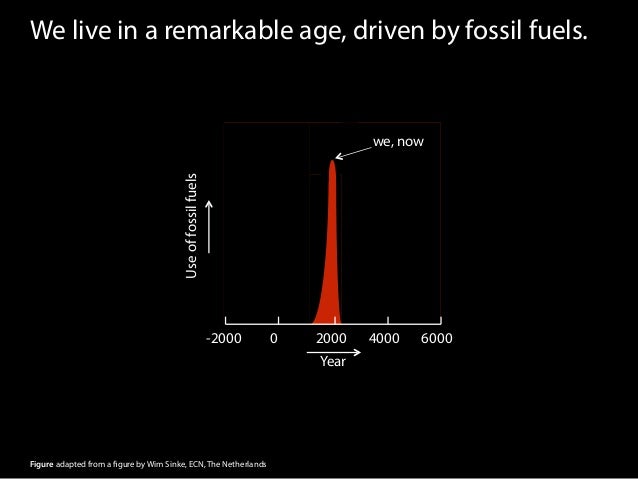
Fossil fuels are not a long-term energy solution. Maybe you'd understand a graph better? http://image.slidesharecdn.com...
-
Re:systemic racismFrom an engineering perspective, this is the difference between an over-damped, critically damped, and under-damped system. The system starts with an offset (past racism). Once that offset is eliminated, it will move back to a neutral state (no racism). The speed at which it does so varies on the dampening.
- The over-damped system corresponds to lingering racism. The system is moving towards a neutral state, but is slowed down by residual racism that still continues (racists teaching their kids to be racist).
- The critically damped system corresponds to no racism. The system is moving towards a neutral state with no impediment of residual racism, and is only slowed down by inherent time constants in the system (in this case, the time for racist bigots to grow old and die).
- The underdamped system corresponds to affirmative action. You can move the system to a neutral state more quickly than it naturally would by actively favoring races which were discriminated against in the past. The danger however is that you're going to overshoot and pass the neutral state (as has happened in education - girls now outperform boys and earn the majority of college degrees). In an active control system, you can change the dampening as you approach the neutral state to minimize or even eliminate the overshoot. But I have yet to see any affirmative action legislation which attempts this - defines conditions when the affirmative action should end.
-
Re:The Utah?
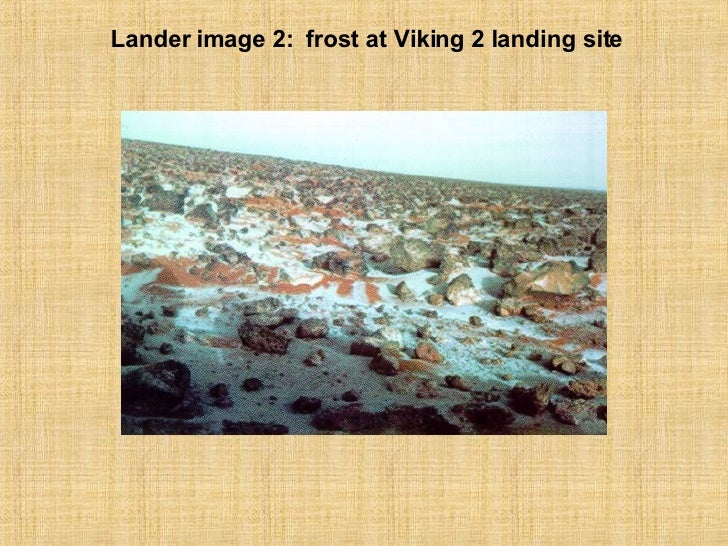
There is frost on Mars though, Viking photographed it.
-
Fortune 500
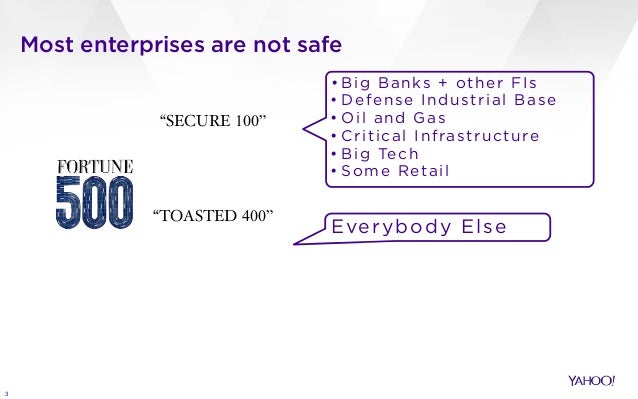
In words of Alex Stamos (Facebook CISO, back then Yahoo CISO): Fortune 500 consists of "SECURE 100" and "TOASTED 400".
I'd say it's about right.
Source:
http://image.slidesharecdn.com...By the way, I highly recommend that talk:
https://www.youtube.com/watch?... -
Easy: it's a buy-in problem
This is an easy one.
You're looking at a buy-in problem, which is two-part: getting and keeping. You first need buy-in, and second need to maintain buy-in.
Getting buy-in is not difficult. Find the people with the most stake, the most interest. You need to figure out who's important and who's aligned.
First, you build a stakeholder engagement assessment matrix. List the people involved (your boss, the VP, coworkers), their Current (C) state, and their Desired (D) state, ranging from Unaware to Resistant (opposition), through Neutral (doesn't care), up into Supportive (is interested) and Leading (is actively advocating, pushing back against opposition).
Take the ones in a less-than-desired state and work on them, picking out who's important first. Figure out what drives them, what do they want. Someone who says, "It's a lot of work," has given you a way in: it would be a good idea, right? It'd be nice if we could do it, wouldn't it? Take responsibility. You'll find a way to make it workable; you'll figure out what it will take; you'll make sure we know going in if this is doable or if it's an unending behemoth we simply can't tackle. Now you've got them to agree that this is a good idea, and allow you to go find out just how hard it'd be.
Get those executive stakeholders on the line first, if possible. Especially hit the command chain: if your boss is concerned with his boss and you typically have that communication line, bring it casually up to his boss. Remember to manage all of your stakeholders: if you're going to go over your boss's head, point out that it's a lot of effort; shift responsibility off your boss for getting it done right, underscore that it may be impossible even if it's worth a look. If your boss is okay on the idea and it's generally a very structured organization where you don't have that rapport with his boss, bring it to him first, then let him take it upwards; don't circumvent where circumvention isn't just called "small-office politics".
Your boss being good with the idea means your team has to go along with it, in theory. Don't lay that weight on them if you don't have to; it's your idea, it was your proposal, and he sent you to find out what it's going to take. It's not their responsibility, not yet anyway. They'll hand you enough rope to hang yourself, especially if you seem to think they've got what it takes to actually do it--remember, the team's doing the work, not just you.
So now you've got people to listen in, to say, "Hmm, yes, it's a good idea in theory..." and to let you find out just how bad "...but it's a lot of work" really is.
Now you need to keep it.
The simple way there is to produce results. Ask questions, find the people who know and get their input. Get together and determine what pieces need to change and how, conceptually; then determine, roughly, what it would take. Build a work breakdown structure, every element down to the work package being a deliverable--an adjective-noun--and not a task; no verbs on WBS. Work packages are the largest manageable deliverable, the piece that you fully understand and can estimate time and complexity and completion; break it down further if it's a nebulous piece, don't break it down further if you already understand it.
Project managers break those work packages into activities and tasks; these can be verbs. You don't have to do that right away; we do that during scheduling.
Once you have your Work Breakdown Structure, you can look at it and say, "This is everything it will take." Just having that scaffold in front of you will show you something important: big or small, you can do it.
You can do it.
It's not a phantom under your bed, not a giant behemoth you can't conquer; it's a mountain, y
-
Will that be enough?
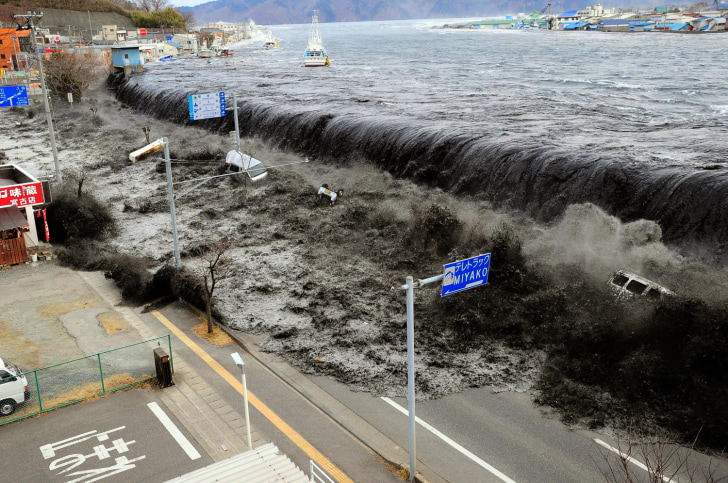
In 2010 I visited a small town in Iwate where a high tsunami wall had been built 40 years before. In March 2011, the town has been completely devastated by the tsunami. Will the new wall be high and solid enough? That's an interesting question, but we won't probably know the answer (fortunately) before another few hundred years.
-
Re:A few things need to happen first
So? These days, Naughty Dog use C++. On Visual Studio. Because they're part of Sony and that's what Sony uses.
They were already part of Sony at the time and yet they used X Emacs. They used and use Linux a lot, they used and use Scheme/LISP a lot and they used and use X Emacs a lot. Take a look at their presentation for the development of Uncharted from GDC '08: there's a nice screenshot of Emacs on Windows (they use Cygwin!) with some Scheme code.
It helps that the compiler vendor is the same as the IDE vendor. This enabled VS to be knowledgeable about the languages you write in it in a way that gcc has expressly forbid Linux tools from ever possibly matching, for years. (With the proliferation of LLVM-based compilers this may change.)
PS4 use LLVM/Clang. PS3 allegedly used gcc as backend. Both use Visual C++, but only as a frontend and only if you want to use it. Bonus slide: http://image.slidesharecdn.com/unchartedtechgdc2008-110214171906-phpapp02/95/slide-25-728.jpg?1297725639 .
-
Re:Apples Market share 25times smaller..and shrink
IDG has it at 8.5% by volume up
This BTW is a global picture: http://image.slidesharecdn.com/201304stock-130412135737-phpapp01/95/slide-5-638.jpg?1365793092
do you seriously want to claim that the Chinese Developers are developing any Applications
I have no idea. But I don't particularly care the claim was about Apple's dying marketshare worldwide not the geography of its developers.
-
Re:Apples Market share 25times smaller..and shrink
IDG has it at 8.5% by volume up
This BTW is a global picture: http://image.slidesharecdn.com/201304stock-130412135737-phpapp01/95/slide-5-638.jpg?1365793092
do you seriously want to claim that the Chinese Developers are developing any Applications
I have no idea. But I don't particularly care the claim was about Apple's dying marketshare worldwide not the geography of its developers.
-
I can't see how the Mac Pro could actually fail...
As everyone's commenting how "retarded" this EU directive is without actually reading it I thought I'd find out exactly what it says, as it seemed strange that it would ban all unguarded internal fans.
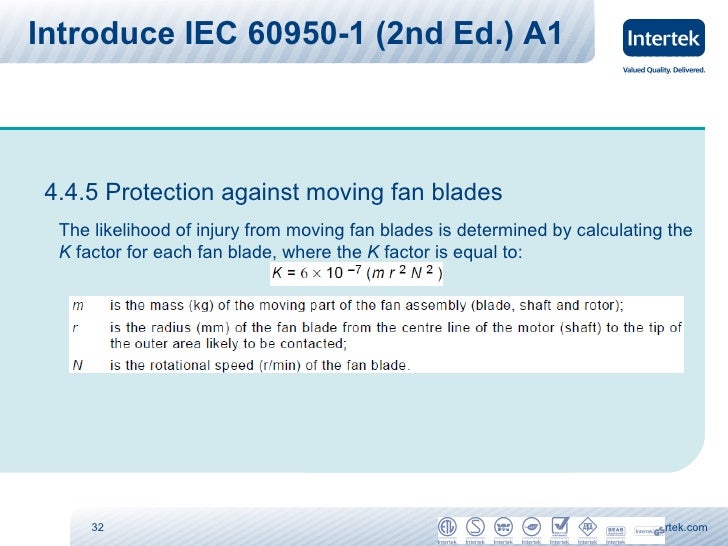
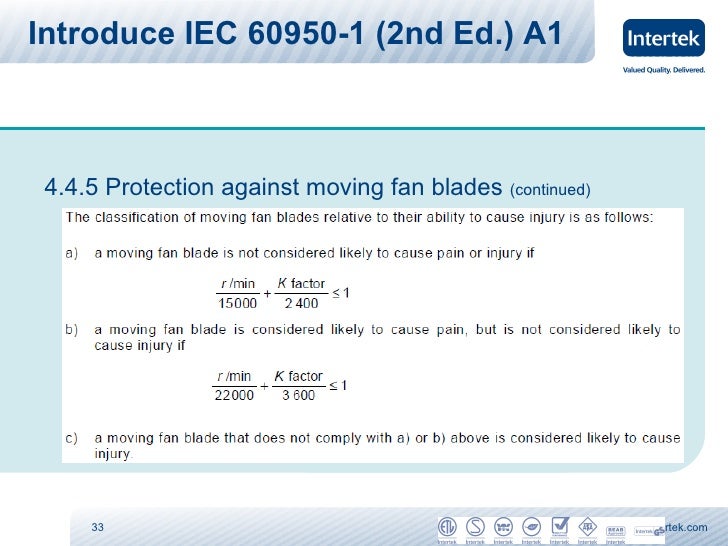
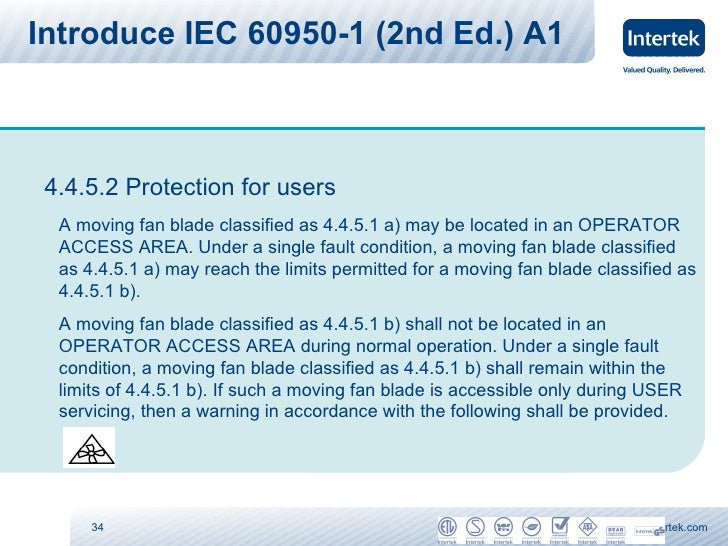
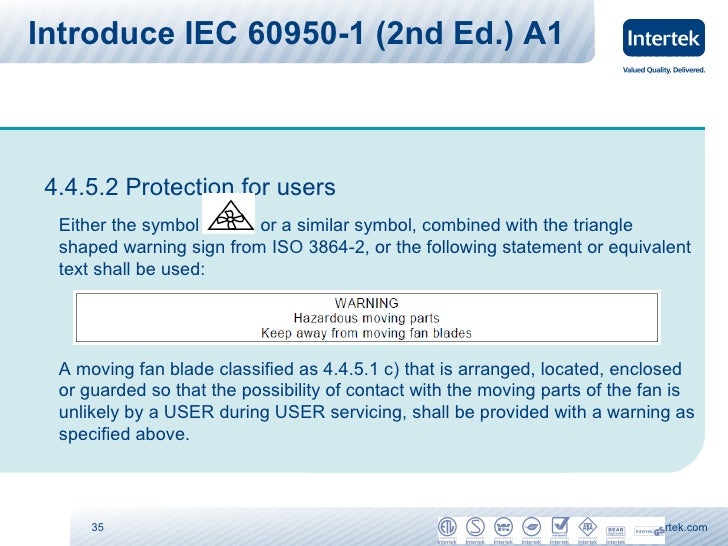
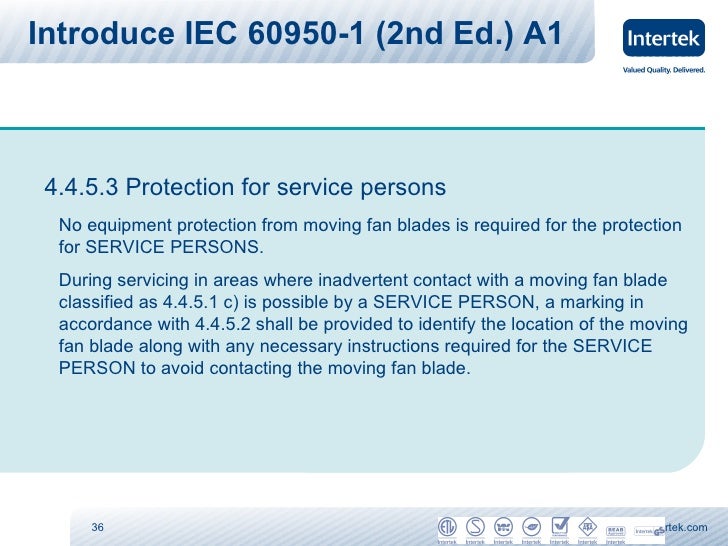
I found this presentation on the EU directive, the part about fans starts at slide 32, or some direct links to the slides: 32, 33, 34, 35, 36.
Basically it appears fans are divided into 3 categories based on their diameter, fan blade speed and weight: a) Won't hurt if touched, b) Will hurt but won't injure if touched and c) Will injure if touched. Category a are fine anywhere, category b are ok in user serviceable areas as long as there's a warning sticker and category c fans can only be accessible to "service personnel". Seems pretty sensible for me.
Now I ran the numbers in the formula just to make sure they're not too strict and a fan with a 5cm blade radius and 100g weight going at 3000rpm (faster than the Mac Pro max rpm) is category a. Seriously a large case fan could be on the outside of the thing with no grill and still be legal.
Even if I've got the figures wrong for the Mac Pro's fans I can't imagine any of the fans being more than category b, which only requires a warning label. I can't help but think Apple are just using it as a PR excuse for failing the "electrical port protection" rules by trying to make the rules seem ridiculously strict.
-
I can't see how the Mac Pro could actually fail...
As everyone's commenting how "retarded" this EU directive is without actually reading it I thought I'd find out exactly what it says, as it seemed strange that it would ban all unguarded internal fans.
I found this presentation on the EU directive, the part about fans starts at slide 32, or some direct links to the slides: 32, 33, 34, 35, 36.
Basically it appears fans are divided into 3 categories based on their diameter, fan blade speed and weight: a) Won't hurt if touched, b) Will hurt but won't injure if touched and c) Will injure if touched. Category a are fine anywhere, category b are ok in user serviceable areas as long as there's a warning sticker and category c fans can only be accessible to "service personnel". Seems pretty sensible for me.
Now I ran the numbers in the formula just to make sure they're not too strict and a fan with a 5cm blade radius and 100g weight going at 3000rpm (faster than the Mac Pro max rpm) is category a. Seriously a large case fan could be on the outside of the thing with no grill and still be legal.
Even if I've got the figures wrong for the Mac Pro's fans I can't imagine any of the fans being more than category b, which only requires a warning label. I can't help but think Apple are just using it as a PR excuse for failing the "electrical port protection" rules by trying to make the rules seem ridiculously strict.
-
I can't see how the Mac Pro could actually fail...
As everyone's commenting how "retarded" this EU directive is without actually reading it I thought I'd find out exactly what it says, as it seemed strange that it would ban all unguarded internal fans.
I found this presentation on the EU directive, the part about fans starts at slide 32, or some direct links to the slides: 32, 33, 34, 35, 36.
Basically it appears fans are divided into 3 categories based on their diameter, fan blade speed and weight: a) Won't hurt if touched, b) Will hurt but won't injure if touched and c) Will injure if touched. Category a are fine anywhere, category b are ok in user serviceable areas as long as there's a warning sticker and category c fans can only be accessible to "service personnel". Seems pretty sensible for me.
Now I ran the numbers in the formula just to make sure they're not too strict and a fan with a 5cm blade radius and 100g weight going at 3000rpm (faster than the Mac Pro max rpm) is category a. Seriously a large case fan could be on the outside of the thing with no grill and still be legal.
Even if I've got the figures wrong for the Mac Pro's fans I can't imagine any of the fans being more than category b, which only requires a warning label. I can't help but think Apple are just using it as a PR excuse for failing the "electrical port protection" rules by trying to make the rules seem ridiculously strict.
-
I can't see how the Mac Pro could actually fail...
As everyone's commenting how "retarded" this EU directive is without actually reading it I thought I'd find out exactly what it says, as it seemed strange that it would ban all unguarded internal fans.
I found this presentation on the EU directive, the part about fans starts at slide 32, or some direct links to the slides: 32, 33, 34, 35, 36.
Basically it appears fans are divided into 3 categories based on their diameter, fan blade speed and weight: a) Won't hurt if touched, b) Will hurt but won't injure if touched and c) Will injure if touched. Category a are fine anywhere, category b are ok in user serviceable areas as long as there's a warning sticker and category c fans can only be accessible to "service personnel". Seems pretty sensible for me.
Now I ran the numbers in the formula just to make sure they're not too strict and a fan with a 5cm blade radius and 100g weight going at 3000rpm (faster than the Mac Pro max rpm) is category a. Seriously a large case fan could be on the outside of the thing with no grill and still be legal.
Even if I've got the figures wrong for the Mac Pro's fans I can't imagine any of the fans being more than category b, which only requires a warning label. I can't help but think Apple are just using it as a PR excuse for failing the "electrical port protection" rules by trying to make the rules seem ridiculously strict.
-
I can't see how the Mac Pro could actually fail...
As everyone's commenting how "retarded" this EU directive is without actually reading it I thought I'd find out exactly what it says, as it seemed strange that it would ban all unguarded internal fans.
I found this presentation on the EU directive, the part about fans starts at slide 32, or some direct links to the slides: 32, 33, 34, 35, 36.
Basically it appears fans are divided into 3 categories based on their diameter, fan blade speed and weight: a) Won't hurt if touched, b) Will hurt but won't injure if touched and c) Will injure if touched. Category a are fine anywhere, category b are ok in user serviceable areas as long as there's a warning sticker and category c fans can only be accessible to "service personnel". Seems pretty sensible for me.
Now I ran the numbers in the formula just to make sure they're not too strict and a fan with a 5cm blade radius and 100g weight going at 3000rpm (faster than the Mac Pro max rpm) is category a. Seriously a large case fan could be on the outside of the thing with no grill and still be legal.
Even if I've got the figures wrong for the Mac Pro's fans I can't imagine any of the fans being more than category b, which only requires a warning label. I can't help but think Apple are just using it as a PR excuse for failing the "electrical port protection" rules by trying to make the rules seem ridiculously strict.