Slashdot Mirror
Domain: slashdot.org
Stories and comments across the archive that link to slashdot.org.
Stories · 37,380
-
Microsoft Acquires GitHub For $7.5B (microsoft.com)
As rumored, Microsoft said Monday that it has acquired code repository website GitHub for a whopping sum of $7.5B in Microsoft stock. Microsoft Corporate Vice President Nat Friedman, founder of Xamarin and an open source veteran, will assume the role of GitHub CEO. GitHub's current CEO, Chris Wanstrath, will become a Microsoft technical fellow, reporting to Executive Vice President Scott Guthrie, to work on strategic software initiatives. From the blog post: "Microsoft is a developer-first company, and by joining forces with GitHub we strengthen our commitment to developer freedom, openness and innovation," said Satya Nadella, CEO, Microsoft. "We recognize the community responsibility we take on with this agreement and will do our best work to empower every developer to build, innovate and solve the world's most pressing challenges." Under the terms of the agreement, Microsoft will acquire GitHub for $7.5 billion in Microsoft stock. Subject to customary closing conditions and completion of regulatory review, the acquisition is expected to close by the end of the calendar year. GitHub will retain its developer-first ethos and will operate independently to provide an open platform for all developers in all industries. Developers will continue to be able to use the programming languages, tools and operating systems of their choice for their projects -- and will still be able to deploy their code to any operating system, any cloud and any device. The two companies, together, will "empower developers to achieve more at every stage of the development lifecycle, accelerate enterprise use of GitHub, and bring Microsoft's developer tools and services to new audiences," Microsoft said. A portion of the developer community has opposed the move, with some already leaving the platform for alternative services.
Update: In a conference call with reporters, Mr. Nadella said today the company is "all in with open source," and requested people to judge the company's commitment to the open source community with its actions in the recent past, today, and in the coming future. GitHub will remain open and independent, Mr. Nadella said. -
Microsoft Acquires GitHub For $7.5B (microsoft.com)
As rumored, Microsoft said Monday that it has acquired code repository website GitHub for a whopping sum of $7.5B in Microsoft stock. Microsoft Corporate Vice President Nat Friedman, founder of Xamarin and an open source veteran, will assume the role of GitHub CEO. GitHub's current CEO, Chris Wanstrath, will become a Microsoft technical fellow, reporting to Executive Vice President Scott Guthrie, to work on strategic software initiatives. From the blog post: "Microsoft is a developer-first company, and by joining forces with GitHub we strengthen our commitment to developer freedom, openness and innovation," said Satya Nadella, CEO, Microsoft. "We recognize the community responsibility we take on with this agreement and will do our best work to empower every developer to build, innovate and solve the world's most pressing challenges." Under the terms of the agreement, Microsoft will acquire GitHub for $7.5 billion in Microsoft stock. Subject to customary closing conditions and completion of regulatory review, the acquisition is expected to close by the end of the calendar year. GitHub will retain its developer-first ethos and will operate independently to provide an open platform for all developers in all industries. Developers will continue to be able to use the programming languages, tools and operating systems of their choice for their projects -- and will still be able to deploy their code to any operating system, any cloud and any device. The two companies, together, will "empower developers to achieve more at every stage of the development lifecycle, accelerate enterprise use of GitHub, and bring Microsoft's developer tools and services to new audiences," Microsoft said. A portion of the developer community has opposed the move, with some already leaving the platform for alternative services.
Update: In a conference call with reporters, Mr. Nadella said today the company is "all in with open source," and requested people to judge the company's commitment to the open source community with its actions in the recent past, today, and in the coming future. GitHub will remain open and independent, Mr. Nadella said. -
American Tech Giants Are Making Life Tough For Startups (economist.com)
An anonymous reader quotes a report from The Economist: Venture capitalists, such as Albert Wenger of Union Square Ventures, who was an early investor in Twitter, now talk of a "kill-zone" around the giants. Once a young firm enters, it can be extremely difficult to survive. Tech giants try to squash startups by copying them, or they pay to scoop them up early to eliminate a threat. The idea of a kill-zone may bring to mind Microsoft's long reign in the 1990s, as it embraced a strategy of "embrace, extend and extinguish" and tried to intimidate startups from entering its domain. But entrepreneurs' and venture capitalists' concerns are striking because for a long while afterwards, startups had free rein. [...] Venture capitalists are wary of backing startups in online search, social media, mobile and e-commerce. It has become harder for startups to secure a first financing round. According to Pitchbook, a research company, in 2017 the number of these rounds were down by around 22% from 2012 (see chart).
The wariness comes from seeing what happens to startups when they enter the kill-zone, either deliberately or accidentally. Snap is the most prominent example; after Snap rebuffed Facebook's attempts to buy the firm in 2013, for $3 billion, Facebook cloned many of its successful features and has put a damper on its growth. A less known example is Life on Air, which launched Meerkat, a live video-streaming app, in 2015. It was obliterated when Twitter acquired and promoted a competing app, Periscope. Life on Air shut Meerkat down and launched a different app, called Houseparty, which offered group video chats. This briefly gained prominence, but was then copied by Facebook, seizing users and attention away from the startup. The Economist goes on to state three reasons why the kill-zone is likely to stay: "First, the giants have tons of data to identify emerging rivals faster than ever before. Recruiting is a second tool the giants will use to enforce their kill zones. A third reason that startups may struggle to break through is that there is no sign of a new platform emerging which could disrupt the incumbents, even more than a decade after the rise of mobile." -
American Tech Giants Are Making Life Tough For Startups (economist.com)
An anonymous reader quotes a report from The Economist: Venture capitalists, such as Albert Wenger of Union Square Ventures, who was an early investor in Twitter, now talk of a "kill-zone" around the giants. Once a young firm enters, it can be extremely difficult to survive. Tech giants try to squash startups by copying them, or they pay to scoop them up early to eliminate a threat. The idea of a kill-zone may bring to mind Microsoft's long reign in the 1990s, as it embraced a strategy of "embrace, extend and extinguish" and tried to intimidate startups from entering its domain. But entrepreneurs' and venture capitalists' concerns are striking because for a long while afterwards, startups had free rein. [...] Venture capitalists are wary of backing startups in online search, social media, mobile and e-commerce. It has become harder for startups to secure a first financing round. According to Pitchbook, a research company, in 2017 the number of these rounds were down by around 22% from 2012 (see chart).
The wariness comes from seeing what happens to startups when they enter the kill-zone, either deliberately or accidentally. Snap is the most prominent example; after Snap rebuffed Facebook's attempts to buy the firm in 2013, for $3 billion, Facebook cloned many of its successful features and has put a damper on its growth. A less known example is Life on Air, which launched Meerkat, a live video-streaming app, in 2015. It was obliterated when Twitter acquired and promoted a competing app, Periscope. Life on Air shut Meerkat down and launched a different app, called Houseparty, which offered group video chats. This briefly gained prominence, but was then copied by Facebook, seizing users and attention away from the startup. The Economist goes on to state three reasons why the kill-zone is likely to stay: "First, the giants have tons of data to identify emerging rivals faster than ever before. Recruiting is a second tool the giants will use to enforce their kill zones. A third reason that startups may struggle to break through is that there is no sign of a new platform emerging which could disrupt the incumbents, even more than a decade after the rise of mobile." -
Microsoft's Interest In Buying GitHub Draws Backlash From Developers
The supposed acquisition of popular code repository GitHub by Microsoft has drawn an unprecedented backlash from the developer community. Over the weekend, after Bloomberg reported that the two companies could make the announcement as soon as Monday, hundreds of developers took to forums and social media to express their disappointment, with many saying that they would be leaving the platform if the deal goes through.
So why so much outrage? In a conversation with Slashdot, software developer and student Sean said that he believes a deal of such capacity would be bad for the open source community. "They've shown time and time again that they can't be trusted," he said. Sean and many other believe that Microsoft would eventually start telemetry program on the code repository. "Aside from Microsoft not being trustworthy to the open source community, I'm sure they'll add tracking and possibly even ads to all the sites within GitHub. As well as possibly use it to push LinkedIn (which they own)," he said. Ryan Hoover, the founder of ProductHunt, wrote on Sunday, "Anecdotally, the developer community is very unapproving of this move. I'm curious how Microsoft manages this and how GitHub changes (or doesn't change)." Even as Microsoft has "embraced" the open source community in the recent years (under the leadership of Mr. Nadella), for many developers, it will take time -- if at all -- to forget the company's past closed-ecosystem approach. Just this weekend, a developer accused Microsoft of stealing his code.
A petition that seeks to "stop Microsoft from buying Github" had garnered support from more than 400 developers. Prominent developer Andre Staltz said, "If you're still optimistic about the Microsoft-GitHub acquisition, consider this: They didn't ask your opinion not even a single bit, even though it was primarily your commits, stars, and repositories which made GH become a valuable platform." More importantly, if the comments left on Slashdot, Reddit, and HackerNews, places that overwhelmingly count developers and other IT industry experts among their audience, are anything to go by, Microsoft better has a good plan on how it intends to operate GitHub after the buyout. Security reporter Catalin Cimpanu said, "LinkedIn has turned into a slow-loading junk after the Microsoft acquisition. I can only imagine what awaits GitHub." On his part, Mat Velloso, who is technical advisor to CTO at Microsoft, said, "I don't think people understand how many of us at Microsoft love GitHub to the bottom of our hearts. If anybody decided to mess with that community, there would be a riot to say the least."
Jacques Mattheij: Companies that are too big to fail and that lose money are a dangerous combination, people have warned about GitHub becoming as large as it did as problematic because it concentrates too much of the power to make or break the open source world in a single entity, moreso because there were valid questions about GitHubs financial viability. The model that GitHub has -- sell their services to closed source companies but provide the service for free for open source groups -- is only a good one if the closed source companies bring in enough funds to sustain the model. Some sort of solution should have been found -- preferably in collaboration with the community -- not an 'exit' to one of the biggest sharks in the tank. So, here is what is wrong with this deal and why anybody active in the open source community should be upset that Microsoft is going to be the steward of this large body of code. For starters, Microsoft has a very long history of abusing its position vis-a-vis open source and other companies. I'm sure you'll be able to tell I'm a cranky old guy by looking up the dates to some of these references, but 'new boss, same as the old boss' applies as far as I'm concerned. Yes, the new boss is a nicer guy but it's the same corporate entity. Update: It's official. Microsoft has acquired GitHub for a whopping sum of $7.5B. -
Microsoft's Interest In Buying GitHub Draws Backlash From Developers
The supposed acquisition of popular code repository GitHub by Microsoft has drawn an unprecedented backlash from the developer community. Over the weekend, after Bloomberg reported that the two companies could make the announcement as soon as Monday, hundreds of developers took to forums and social media to express their disappointment, with many saying that they would be leaving the platform if the deal goes through.
So why so much outrage? In a conversation with Slashdot, software developer and student Sean said that he believes a deal of such capacity would be bad for the open source community. "They've shown time and time again that they can't be trusted," he said. Sean and many other believe that Microsoft would eventually start telemetry program on the code repository. "Aside from Microsoft not being trustworthy to the open source community, I'm sure they'll add tracking and possibly even ads to all the sites within GitHub. As well as possibly use it to push LinkedIn (which they own)," he said. Ryan Hoover, the founder of ProductHunt, wrote on Sunday, "Anecdotally, the developer community is very unapproving of this move. I'm curious how Microsoft manages this and how GitHub changes (or doesn't change)." Even as Microsoft has "embraced" the open source community in the recent years (under the leadership of Mr. Nadella), for many developers, it will take time -- if at all -- to forget the company's past closed-ecosystem approach. Just this weekend, a developer accused Microsoft of stealing his code.
A petition that seeks to "stop Microsoft from buying Github" had garnered support from more than 400 developers. Prominent developer Andre Staltz said, "If you're still optimistic about the Microsoft-GitHub acquisition, consider this: They didn't ask your opinion not even a single bit, even though it was primarily your commits, stars, and repositories which made GH become a valuable platform." More importantly, if the comments left on Slashdot, Reddit, and HackerNews, places that overwhelmingly count developers and other IT industry experts among their audience, are anything to go by, Microsoft better has a good plan on how it intends to operate GitHub after the buyout. Security reporter Catalin Cimpanu said, "LinkedIn has turned into a slow-loading junk after the Microsoft acquisition. I can only imagine what awaits GitHub." On his part, Mat Velloso, who is technical advisor to CTO at Microsoft, said, "I don't think people understand how many of us at Microsoft love GitHub to the bottom of our hearts. If anybody decided to mess with that community, there would be a riot to say the least."
Jacques Mattheij: Companies that are too big to fail and that lose money are a dangerous combination, people have warned about GitHub becoming as large as it did as problematic because it concentrates too much of the power to make or break the open source world in a single entity, moreso because there were valid questions about GitHubs financial viability. The model that GitHub has -- sell their services to closed source companies but provide the service for free for open source groups -- is only a good one if the closed source companies bring in enough funds to sustain the model. Some sort of solution should have been found -- preferably in collaboration with the community -- not an 'exit' to one of the biggest sharks in the tank. So, here is what is wrong with this deal and why anybody active in the open source community should be upset that Microsoft is going to be the steward of this large body of code. For starters, Microsoft has a very long history of abusing its position vis-a-vis open source and other companies. I'm sure you'll be able to tell I'm a cranky old guy by looking up the dates to some of these references, but 'new boss, same as the old boss' applies as far as I'm concerned. Yes, the new boss is a nicer guy but it's the same corporate entity. Update: It's official. Microsoft has acquired GitHub for a whopping sum of $7.5B. -
Microsoft's Interest In Buying GitHub Draws Backlash From Developers
The supposed acquisition of popular code repository GitHub by Microsoft has drawn an unprecedented backlash from the developer community. Over the weekend, after Bloomberg reported that the two companies could make the announcement as soon as Monday, hundreds of developers took to forums and social media to express their disappointment, with many saying that they would be leaving the platform if the deal goes through.
So why so much outrage? In a conversation with Slashdot, software developer and student Sean said that he believes a deal of such capacity would be bad for the open source community. "They've shown time and time again that they can't be trusted," he said. Sean and many other believe that Microsoft would eventually start telemetry program on the code repository. "Aside from Microsoft not being trustworthy to the open source community, I'm sure they'll add tracking and possibly even ads to all the sites within GitHub. As well as possibly use it to push LinkedIn (which they own)," he said. Ryan Hoover, the founder of ProductHunt, wrote on Sunday, "Anecdotally, the developer community is very unapproving of this move. I'm curious how Microsoft manages this and how GitHub changes (or doesn't change)." Even as Microsoft has "embraced" the open source community in the recent years (under the leadership of Mr. Nadella), for many developers, it will take time -- if at all -- to forget the company's past closed-ecosystem approach. Just this weekend, a developer accused Microsoft of stealing his code.
A petition that seeks to "stop Microsoft from buying Github" had garnered support from more than 400 developers. Prominent developer Andre Staltz said, "If you're still optimistic about the Microsoft-GitHub acquisition, consider this: They didn't ask your opinion not even a single bit, even though it was primarily your commits, stars, and repositories which made GH become a valuable platform." More importantly, if the comments left on Slashdot, Reddit, and HackerNews, places that overwhelmingly count developers and other IT industry experts among their audience, are anything to go by, Microsoft better has a good plan on how it intends to operate GitHub after the buyout. Security reporter Catalin Cimpanu said, "LinkedIn has turned into a slow-loading junk after the Microsoft acquisition. I can only imagine what awaits GitHub." On his part, Mat Velloso, who is technical advisor to CTO at Microsoft, said, "I don't think people understand how many of us at Microsoft love GitHub to the bottom of our hearts. If anybody decided to mess with that community, there would be a riot to say the least."
Jacques Mattheij: Companies that are too big to fail and that lose money are a dangerous combination, people have warned about GitHub becoming as large as it did as problematic because it concentrates too much of the power to make or break the open source world in a single entity, moreso because there were valid questions about GitHubs financial viability. The model that GitHub has -- sell their services to closed source companies but provide the service for free for open source groups -- is only a good one if the closed source companies bring in enough funds to sustain the model. Some sort of solution should have been found -- preferably in collaboration with the community -- not an 'exit' to one of the biggest sharks in the tank. So, here is what is wrong with this deal and why anybody active in the open source community should be upset that Microsoft is going to be the steward of this large body of code. For starters, Microsoft has a very long history of abusing its position vis-a-vis open source and other companies. I'm sure you'll be able to tell I'm a cranky old guy by looking up the dates to some of these references, but 'new boss, same as the old boss' applies as far as I'm concerned. Yes, the new boss is a nicer guy but it's the same corporate entity. Update: It's official. Microsoft has acquired GitHub for a whopping sum of $7.5B. -
Microsoft's Interest In Buying GitHub Draws Backlash From Developers
The supposed acquisition of popular code repository GitHub by Microsoft has drawn an unprecedented backlash from the developer community. Over the weekend, after Bloomberg reported that the two companies could make the announcement as soon as Monday, hundreds of developers took to forums and social media to express their disappointment, with many saying that they would be leaving the platform if the deal goes through.
So why so much outrage? In a conversation with Slashdot, software developer and student Sean said that he believes a deal of such capacity would be bad for the open source community. "They've shown time and time again that they can't be trusted," he said. Sean and many other believe that Microsoft would eventually start telemetry program on the code repository. "Aside from Microsoft not being trustworthy to the open source community, I'm sure they'll add tracking and possibly even ads to all the sites within GitHub. As well as possibly use it to push LinkedIn (which they own)," he said. Ryan Hoover, the founder of ProductHunt, wrote on Sunday, "Anecdotally, the developer community is very unapproving of this move. I'm curious how Microsoft manages this and how GitHub changes (or doesn't change)." Even as Microsoft has "embraced" the open source community in the recent years (under the leadership of Mr. Nadella), for many developers, it will take time -- if at all -- to forget the company's past closed-ecosystem approach. Just this weekend, a developer accused Microsoft of stealing his code.
A petition that seeks to "stop Microsoft from buying Github" had garnered support from more than 400 developers. Prominent developer Andre Staltz said, "If you're still optimistic about the Microsoft-GitHub acquisition, consider this: They didn't ask your opinion not even a single bit, even though it was primarily your commits, stars, and repositories which made GH become a valuable platform." More importantly, if the comments left on Slashdot, Reddit, and HackerNews, places that overwhelmingly count developers and other IT industry experts among their audience, are anything to go by, Microsoft better has a good plan on how it intends to operate GitHub after the buyout. Security reporter Catalin Cimpanu said, "LinkedIn has turned into a slow-loading junk after the Microsoft acquisition. I can only imagine what awaits GitHub." On his part, Mat Velloso, who is technical advisor to CTO at Microsoft, said, "I don't think people understand how many of us at Microsoft love GitHub to the bottom of our hearts. If anybody decided to mess with that community, there would be a riot to say the least."
Jacques Mattheij: Companies that are too big to fail and that lose money are a dangerous combination, people have warned about GitHub becoming as large as it did as problematic because it concentrates too much of the power to make or break the open source world in a single entity, moreso because there were valid questions about GitHubs financial viability. The model that GitHub has -- sell their services to closed source companies but provide the service for free for open source groups -- is only a good one if the closed source companies bring in enough funds to sustain the model. Some sort of solution should have been found -- preferably in collaboration with the community -- not an 'exit' to one of the biggest sharks in the tank. So, here is what is wrong with this deal and why anybody active in the open source community should be upset that Microsoft is going to be the steward of this large body of code. For starters, Microsoft has a very long history of abusing its position vis-a-vis open source and other companies. I'm sure you'll be able to tell I'm a cranky old guy by looking up the dates to some of these references, but 'new boss, same as the old boss' applies as far as I'm concerned. Yes, the new boss is a nicer guy but it's the same corporate entity. Update: It's official. Microsoft has acquired GitHub for a whopping sum of $7.5B. -
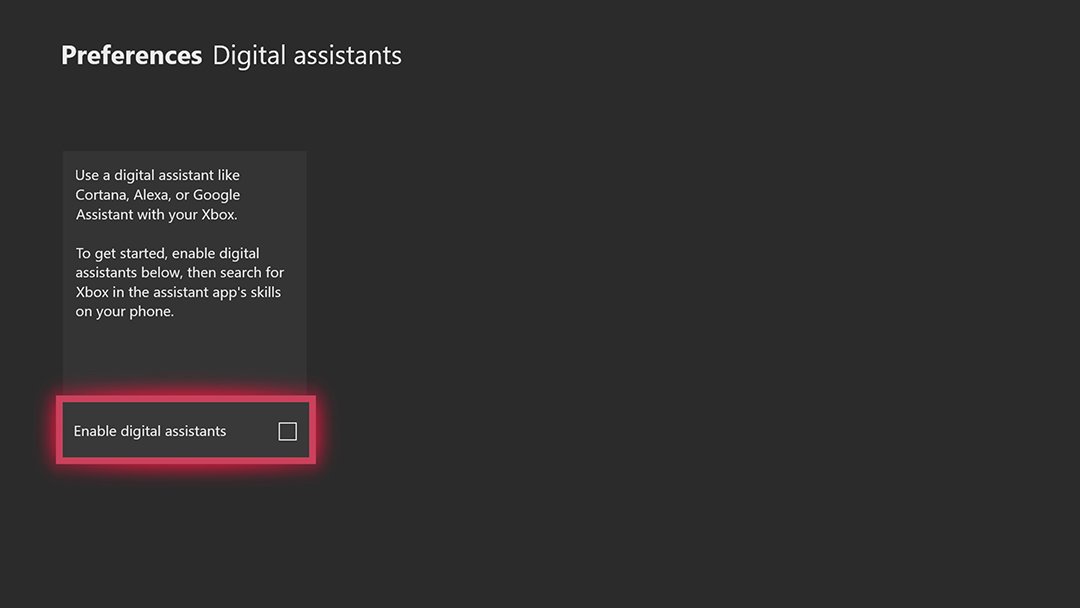
Amazon Alexa and Google Assistant Are Coming To Xbox One (windowscentral.com)
According to Windows Central, the Xbox One will soon support Amazon Alexa and Google Assistant, which should provide a decent alternative to Kinect for controlling your console via voice commands. Microsoft stopped manufacturing the Kinect in October of last year. From the report: This picture comes to us from a reliable source who is familiar with Amazon and Microsoft's efforts to link Alexa and Cortana. In upcoming Xbox One builds, the Kinect & Devices menu should have a new "Digital Assistants" section, which lets you enable Alexa, Google Assistant, and Cortana, for use on your Xbox One. It then directs you to install the Xbox skills app for those respective platforms to get connected. The full range of features for those assistants remains unknown, but it could bring back many of the voice-assisted features abandoned Kinect users are yearning for. -
Microsoft Is Said to Have Agreed to Acquire Coding Site GitHub (bloomberg.com)
Bloomberg reports:
Microsoft Corp. has agreed to acquire GitHub Inc., the code repository company popular with many software developers, and could announce the deal as soon as Monday, according to people familiar with the matter. GitHub preferred selling the company to going public and chose Microsoft partially because it was impressed by Chief Executive Officer Satya Nadella, said one of the people, who asked not to be identified discussing private information. Terms of the agreement weren't known on Sunday. GitHub was last valued at $2 billion in 2015.
GitHub is an essential tool for coders. Many corporations, including Microsoft and Alphabet Inc.'s Google, use GitHub to store their corporate code and to collaborate. It's also a social network of sorts for developers. While GitHub's losses have been significant -- it lost $66 million over three quarters in 2016 -- it had revenue of $98 million in nine months of that year.
On Friday, it was reported that Microsoft was in talks with GitHub about an acquisition. Now it seems like it's actually happening.
Update: Our sister site, SourceForge, has weighed in. Here is a tool that will import your GitHub project to SourceForge.
Update #2: Already, we are seeing plenty of backlash over this news. One user has started a petition to stop Microsoft from buying GitHub.
Update #3: It's official. Microsoft has acquired GitHub for a whopping sum of $7.5B. -
Microsoft Is Said to Have Agreed to Acquire Coding Site GitHub (bloomberg.com)
Bloomberg reports:
Microsoft Corp. has agreed to acquire GitHub Inc., the code repository company popular with many software developers, and could announce the deal as soon as Monday, according to people familiar with the matter. GitHub preferred selling the company to going public and chose Microsoft partially because it was impressed by Chief Executive Officer Satya Nadella, said one of the people, who asked not to be identified discussing private information. Terms of the agreement weren't known on Sunday. GitHub was last valued at $2 billion in 2015.
GitHub is an essential tool for coders. Many corporations, including Microsoft and Alphabet Inc.'s Google, use GitHub to store their corporate code and to collaborate. It's also a social network of sorts for developers. While GitHub's losses have been significant -- it lost $66 million over three quarters in 2016 -- it had revenue of $98 million in nine months of that year.
On Friday, it was reported that Microsoft was in talks with GitHub about an acquisition. Now it seems like it's actually happening.
Update: Our sister site, SourceForge, has weighed in. Here is a tool that will import your GitHub project to SourceForge.
Update #2: Already, we are seeing plenty of backlash over this news. One user has started a petition to stop Microsoft from buying GitHub.
Update #3: It's official. Microsoft has acquired GitHub for a whopping sum of $7.5B. -
Microsoft Sticks With Controversial 'GVFS' Name Despite Backlash (medium.com)
New submitter DuroSoft writes: It has been over a year since Microsoft unveiled its open source GVFS (Git Virtual File System) project, designed to make terabyte-scale repositories, like it's own 270GB Windows source code, manageable using Git. The problem is that the GNOME project already has a virtual file system by the name of GVfs that has been in use for years, with hundreds of threads on Stack Overflow, etc. Yet Microsoft's GVFS has already surpassed GVfs in Google and is causing confusion. To make matters worse, Microsoft has officially refused to change the name, despite a large public backlash on GitHub and social media, and despite pull requests providing scripts that can change the name to anything Microsoft wants. Is this mere arrogance on Microsoft's part, laziness to do a quick Google search before using a name, or is it something more sinister? -
Zuckerberg Grilled At Angry Facebook Shareholder's Meeting (mercurynews.com)
An anonymous reader quotes the Mercury News' report on Facebook's annual shareholder's meeting: On Thursday in Menlo Park, one investor compared the social network's poor stewardship of user data to a human rights violation. Another warned that scandal is not good for Facebook's bottom line. And one advised Chief Executive Officer Mark Zuckerberg to emulate George Washington, not Vladimir Putin, and avoid turning Facebook into a "corporate dictatorship." Facebook struggled to keep order, kicking one woman out of the meeting within the first few minutes for repeated interruptions. A plane zipped overhead pulling a banner that read "YOU BROKE DEMOCRACY" and advertising Freedom From Facebook, a group of privacy and anti-monopoly activists that are pressing the U.S. Federal Trade Commission to break up the company...
Zuckerberg repeated the same reassurances he used in front of U.S. and European lawmakers earlier this year: The company hasn't taken a broad enough view of its responsibility... "We're also very focused on being more transparent," Zuckerberg said, touting the fact that the company had just posted its policies on content moderation for the first time. Minutes earlier, the company announced that shareholder proposals for more transparency and oversight had failed, surprising no one. Zuckerberg controls the company through special stock that gives him more votes than other shareholders.
"Facebook said that just because the proposals were blocked, that didn't mean the company doesn't care about these issues." -
California City Tries Universal Basic Income Programs -- Including One Targeting Potential Shooters (latimes.com)
An anonymous reader quotes the Los Angeles Times: Mayor Michael Tubbs, a Stockton native and Stanford graduate who is all of 27 years old, wants to give at least $500 a month to a select group of residents. They'll be able to spend it as they wish, for 18 months, in a pilot program to test the impact of what's called guaranteed basic income... Workers in Silicon Valley and the San Francisco-Oakland area, driven out of the cuckoo housing markets in those communities, have snapped up cheaper properties in Stockton, accepting the bargain of killer commutes... But Stockton still suffers the crushing burdens of poverty, crime and now the rising rents and home prices that come with gentrification. For those who don't have the education or training to work 60 miles away on tech's front lines, Stockton still struggles to develop jobs that pay a living wage...
Facebook's Mark Zuckerberg and Space X's Elon Musk have both pitched the idea in terms of inevitability, given the growing income gap and the threat of massive job losses because of automation... As small as the program will be, it's not going to dramatically affect many Stockton residents, but the goal is to get a sense of whether such an infusion on a broader scale can significantly alter lives and boost the economy.
The program will be funded by private and nonprofit sources, according to the article. And while it may not start until early next year, Stockton is already launching a similar program where the benefits are more targeted. Stockton is about to award stipends of up to $1,000 a month to residents deemed most likely to shoot somebody... The idea is that a small number of people are responsible for a large percentage of violence, and offering them an alternative path -- with counseling and case management over an 18-month period, along with a stipend if they stay the course -- can be a good investment all around. -
California City Tries Universal Basic Income Programs -- Including One Targeting Potential Shooters (latimes.com)
An anonymous reader quotes the Los Angeles Times: Mayor Michael Tubbs, a Stockton native and Stanford graduate who is all of 27 years old, wants to give at least $500 a month to a select group of residents. They'll be able to spend it as they wish, for 18 months, in a pilot program to test the impact of what's called guaranteed basic income... Workers in Silicon Valley and the San Francisco-Oakland area, driven out of the cuckoo housing markets in those communities, have snapped up cheaper properties in Stockton, accepting the bargain of killer commutes... But Stockton still suffers the crushing burdens of poverty, crime and now the rising rents and home prices that come with gentrification. For those who don't have the education or training to work 60 miles away on tech's front lines, Stockton still struggles to develop jobs that pay a living wage...
Facebook's Mark Zuckerberg and Space X's Elon Musk have both pitched the idea in terms of inevitability, given the growing income gap and the threat of massive job losses because of automation... As small as the program will be, it's not going to dramatically affect many Stockton residents, but the goal is to get a sense of whether such an infusion on a broader scale can significantly alter lives and boost the economy.
The program will be funded by private and nonprofit sources, according to the article. And while it may not start until early next year, Stockton is already launching a similar program where the benefits are more targeted. Stockton is about to award stipends of up to $1,000 a month to residents deemed most likely to shoot somebody... The idea is that a small number of people are responsible for a large percentage of violence, and offering them an alternative path -- with counseling and case management over an 18-month period, along with a stipend if they stay the course -- can be a good investment all around. -
Uber Driver Kills His Passenger (washingtonpost.com)
An anonymous reader quotes the Washington Post: An Uber driver in Denver killed his passenger early Friday morning, telling a witness he had fired several times in self-defense, police said... Police say Michael Andre Hancock shot Hyun Kim, 45, with a semiautomatic pistol during a confrontation at 2:47 a.m. Friday, according to a partially redacted probable-cause affidavit provided to The Washington Post... Hancock does not have a criminal record in the state, the Denver Post reported. An Uber official said Hancock has been driving with the popular ride-hailing app for three years. His father, also named Michael Hancock, told KDVR-TV he had a permit to carry a concealed handgun. Putnam, the police spokeswoman, said she was unsure if that had been confirmed.
Company policy says riders and drivers cannot carry firearms in vehicles while using the ride-sharing app. Some states have regulations that override that prohibition, but in Colorado, which allows guns in vehicles to protect lives and property, the regulation for Uber users still applies, Uber spokeswoman Carly DeBeikes told The Post in a statement. Uber, rocked by allegations of inadequate screening and abuse among its drivers and corporate leaders, said Hancock's access to the app was removed
Uber was fined $8.9 million by Colorado regulators last year "for allowing 57 people with past criminal or motor vehicle offenses to drive for the company," reports the Denver Post. They note that in some cases Uber's drivers only had revoked or suspended licenses, while "a similar investigation of smaller competitor Lyft found no violations." -
'Why I'm Switching From Chrome To Firefox and You Should Too' (fastcodesign.com)
An anonymous reader quotes an associate technology editor at Fast Company's Co.Design: While the amount of data about me may not have caused harm in my life yet -- as far as I know -- I don't want to be the victim of monopolistic internet oligarchs as they continue to cash in on surveillance-based business models. What's a concerned citizen of the internet to do? Here's one no-brainer: Stop using Chrome and switch to Firefox... [W]hy should I continue to use the company's browser, which acts as literally the window through which I experience much of the internet, when its incentives -- to learn a lot about me so it can sell advertisements -- don't align with mine....?
Unlike Chrome, Firefox is run by Mozilla, a nonprofit organization that advocates for a "healthy" internet. Its mission is to help build an internet in an open-source manner that's accessible to everyone -- and where privacy and security are built in. Contrast that to Chrome's privacy policy, which states that it stores your browsing data locally unless you are signed in to your Google account, which enables the browser to send that information back to Google. The policy also states that Chrome allows third-party websites to access your IP address and any information that site has tracked using cookies. If you care about privacy at all, you should ditch the browser that supports a company using data to sell advertisements and enabling other companies to track your online movements for one that does not use your data at all.... Firefox protects you from being tracked by advertising networks across websites, which has the lovely side effect of making sites load faster...
Ultimately, Firefox's designers have the leeway to make these privacy-first decisions because Mozilla's motivations are fundamentally different from Google's. Mozilla is a nonprofit with a mission, and Google is a for-profit corporation with an advertising-based business model.. While Firefox and Chrome ultimately perform the same service, the browsers' developers approached their design in a radically different way because one organization has to serve a bottom line, and the other doesn't.
The article points out that ironically, Mozilla supports its developers partly with revenue from Google, which (along with other search engines) pays to be listed as one of the search engines available in Firefox's search bar.
"But because it relies on these agreements rather than gathering user data so it can sell advertisements, the Mozilla Corporation has a fundamentally different business model than Google." -
Google Plans Not To Renew its Contract for Project Maven, a Controversial Drone AI Imaging Program (gizmodo.com)
Kate Konger, reporting for Gizmodo: Google will not seek another contract for its controversial work providing artificial intelligence to the U.S. Department of Defense for analyzing drone footage after its current contract expires. Google Cloud CEO Diane Greene announced the decision at a meeting with employees Friday morning, three sources told Gizmodo. The current contract expires in 2019 and there will not be a follow-up contract, Greene said. The meeting, dubbed Weather Report, is a weekly update on Google Cloud's business. Google would not choose to pursue Maven today because the backlash has been terrible for the company, Greene said, adding that the decision was made at a time when Google was more aggressively pursuing military work. The company plans to unveil new ethical principles about its use of AI next week. -
Google Plans Not To Renew its Contract for Project Maven, a Controversial Drone AI Imaging Program (gizmodo.com)
Kate Konger, reporting for Gizmodo: Google will not seek another contract for its controversial work providing artificial intelligence to the U.S. Department of Defense for analyzing drone footage after its current contract expires. Google Cloud CEO Diane Greene announced the decision at a meeting with employees Friday morning, three sources told Gizmodo. The current contract expires in 2019 and there will not be a follow-up contract, Greene said. The meeting, dubbed Weather Report, is a weekly update on Google Cloud's business. Google would not choose to pursue Maven today because the backlash has been terrible for the company, Greene said, adding that the decision was made at a time when Google was more aggressively pursuing military work. The company plans to unveil new ethical principles about its use of AI next week. -
Leaked Emails Show Google Expected Military Drone AI Work To Grow Exponentially (theintercept.com)
In March, Google secretly signed an agreement with the Pentagon to provide cutting edge AI technology for drone warfare, causing about a dozen Google employees to resign in protest and thousands to sign a petition calling for an end to the contract. Google has since tried to quash the dissent, claiming that the contract was "only" for $9 million, according to the New York Times. Internal company emails obtained by The Intercept tell a different story: The September emails show that Google's business development arm expected the military drone artificial intelligence revenue to ramp up from an initial $15 million to an eventual $250 million per year. In fact, one month after news of the contract broke, the Pentagon allocated an additional $100 million to Project Maven [the endeavor designed to help drone operators recognize images captured on the battlefield]. The internal Google email chain also notes that several big tech players competed to win the Project Maven contract. Other tech firms such as Amazon were in the running, one Google executive involved in negotiations wrote. (Amazon did not respond to a request for comment.) Rather than serving solely as a minor experiment for the military, Google executives on the thread stated that Project Maven was "directly related" to a major cloud computing contract worth billions of dollars that other Silicon Valley firms are competing to win. The emails further note that Amazon Web Services, the cloud computing arm of Amazon, "has some work loads" related to Project Maven. -
Leaked Emails Show Google Expected Military Drone AI Work To Grow Exponentially (theintercept.com)
In March, Google secretly signed an agreement with the Pentagon to provide cutting edge AI technology for drone warfare, causing about a dozen Google employees to resign in protest and thousands to sign a petition calling for an end to the contract. Google has since tried to quash the dissent, claiming that the contract was "only" for $9 million, according to the New York Times. Internal company emails obtained by The Intercept tell a different story: The September emails show that Google's business development arm expected the military drone artificial intelligence revenue to ramp up from an initial $15 million to an eventual $250 million per year. In fact, one month after news of the contract broke, the Pentagon allocated an additional $100 million to Project Maven [the endeavor designed to help drone operators recognize images captured on the battlefield]. The internal Google email chain also notes that several big tech players competed to win the Project Maven contract. Other tech firms such as Amazon were in the running, one Google executive involved in negotiations wrote. (Amazon did not respond to a request for comment.) Rather than serving solely as a minor experiment for the military, Google executives on the thread stated that Project Maven was "directly related" to a major cloud computing contract worth billions of dollars that other Silicon Valley firms are competing to win. The emails further note that Amazon Web Services, the cloud computing arm of Amazon, "has some work loads" related to Project Maven. -
Leaked Emails Show Google Expected Military Drone AI Work To Grow Exponentially (theintercept.com)
In March, Google secretly signed an agreement with the Pentagon to provide cutting edge AI technology for drone warfare, causing about a dozen Google employees to resign in protest and thousands to sign a petition calling for an end to the contract. Google has since tried to quash the dissent, claiming that the contract was "only" for $9 million, according to the New York Times. Internal company emails obtained by The Intercept tell a different story: The September emails show that Google's business development arm expected the military drone artificial intelligence revenue to ramp up from an initial $15 million to an eventual $250 million per year. In fact, one month after news of the contract broke, the Pentagon allocated an additional $100 million to Project Maven [the endeavor designed to help drone operators recognize images captured on the battlefield]. The internal Google email chain also notes that several big tech players competed to win the Project Maven contract. Other tech firms such as Amazon were in the running, one Google executive involved in negotiations wrote. (Amazon did not respond to a request for comment.) Rather than serving solely as a minor experiment for the military, Google executives on the thread stated that Project Maven was "directly related" to a major cloud computing contract worth billions of dollars that other Silicon Valley firms are competing to win. The emails further note that Amazon Web Services, the cloud computing arm of Amazon, "has some work loads" related to Project Maven. -
AT&T Wants To Settle With FTC To Avoid Unlimited Data Throttling Lawsuit (arstechnica.com)
AT&T has given up its years-long quest to cripple the Federal Trade Commission's authority to regulate broadband providers. "Just weeks ago, AT&T said it intended to appeal its loss in the case to the U.S. Supreme Court before a deadline of May 29," reports Ars Technica. "But today, AT&T informed (PDF) court officials that it has decided not to file a petition to the Supreme Court and did not ask for a deadline extension." From the report: AT&T had been trying to limit the FTC's authority since October 2014, when the FTC sued AT&T for promising unlimited data to wireless customers and then throttling their speeds by as much as 90 percent. With AT&T having ruled out a Supreme Court appeal, the FTC can finally pursue its case against AT&T and try to secure refunds for affected customers. AT&T's decision also means that traditional phone companies will have to face some net neutrality oversight from the FTC after the Federal Communications Commission finalizes its net neutrality repeal. AT&T said it will try to settle the case with the FTC instead of going to trial. AT&T's decision might indicate that it is already having settlement talks with the agency.
"We have decided not to seek review by the Supreme Court, to focus instead on negotiating a fair resolution of the case with the Federal Trade Commission," AT&T said in a statement to Ars. The FTC is barred from regulating common carriers, and AT&T has long been a common carrier for its mobile voice and landline phone services. AT&T previously argued that the FTC can't regulate any product offered by AT&T, whether it is or isn't a common carrier service. Though ultimately unsuccessful, AT&T's attempt to deny the FTC's authority to regulate any aspect of its business has delayed the throttling case for years. -
Alibaba Co-founder Says Many Americans 'Want To Stop China' From Upgrading Its Tech (cnbc.com)
With the threat of Trump's ever-looming trade war with China and his administration's sanctions on Chinese companies like ZTE, it's hard to remember a more contentious period between the two countries in recent times. Adding fuel to the conversation, an Alibaba co-founder alleged that many Americans want to stop China from upgrading its technology and from becoming more innovative. From a report: Chinese media outlets have repeatedly asserted that American complaints about the tech sector are really just efforts to slow the country's rise as a global power. "There's nothing wrong with a country wanting to upgrade its own manufacturing sector, go higher tech, be more innovative," Tsai said. "But then, from the Chinese perspective, what we're seeing is there are a lot of people in America that want to stop China from doing that." After three decades of producing low-end manufacturing goods, Tsai said, China recognizes the need to develop better technology, upgrade its manufacturing sector and focus more on value-added areas like robotics, aeronautics and high-tech medical equipment. -
California Senate Votes To Restore Net Neutrality (theverge.com)
An anonymous reader quotes a report from The Verge: The California Senate voted on Wednesday to approve a bill that would reinstate the net neutrality regulations repealed by the Federal Communications Commission in December. The bill, S.B. 822, authored by Sen. Scott Wiener (D-San Francisco), was introduced in March and passed through three committees, all along party-lines. The bill was approved 23-12 and will now head to the state Assembly. The bill would reinstate rules similar to those in the FCC's 2015 Open Internet Order. It forbids ISPs from throttling or blocking online content and requires them to treat all internet traffic equally. But the bill also takes the original rules further by specifically banning providers from participating in some types of "zero-rating" programs, in which certain favored content doesn't contribute to monthly data caps. If the bill goes on to pass in the Assembly, providers will no longer be able to obtain government contracts in the state of California without obeying the regulations. -
Consumer Reports Recommends Tesla's Model 3 After Braking Fix (reuters.com)
Consumer Reports said on Wednesday that it now recommends Tesla's Model 3 sedan after its latest tests showed that a firmware update improved the car's braking distance by nearly 20 feet. From a report: The magazine last week flagged "big flaws" in the car, including braking slower than a full-sized pickup truck, while also highlighting many positives. In a tweet, Mr. Musk said he really appreciates "the high quality critical feedback from @ConsumerReports. Road noise & ride comfort already addressed too. UI improvements coming via remote software update later this month." -
Kaspersky Suits Tossed, Fed Bans Will Continue (axios.com)
A Washington D.C. court has dismissed Kaspersky Lab's lawsuits against the U.S. government over two different rules banning Kaspersky products from federal systems. From a report: Both a federal law passed as part of last years National Defense Authorization Act (NDAA,) and a binding operational directive (BOD) issued by the Department of Homeland Security, prohibit federal agencies from using Kaspersky products. Both portrayed Kaspersky, a Moscow based company, as a national security risk. Kaspersky sued to prevent the two rules from coming into place, claiming the NDAA was a form of unlawful punishment against a specific company known as a bill of attainder. The judge reasoned that "The NDAA does not inflict 'punishment' on Kaspersky Lab. It eliminates a perceived risk to the Nation's cybersecurity and, in so doing, has the secondary effect of foreclosing one small source of revenue for a large multinational corporation." Because the NDAA ruling remains in effect, the judge ruled the BOD case was more or less a moot point. Further reading: Who's Afraid of Kaspersky?, and US Government Can't Get Controversial Kaspersky Lab Software Off Its Networks. -
Kaspersky Suits Tossed, Fed Bans Will Continue (axios.com)
A Washington D.C. court has dismissed Kaspersky Lab's lawsuits against the U.S. government over two different rules banning Kaspersky products from federal systems. From a report: Both a federal law passed as part of last years National Defense Authorization Act (NDAA,) and a binding operational directive (BOD) issued by the Department of Homeland Security, prohibit federal agencies from using Kaspersky products. Both portrayed Kaspersky, a Moscow based company, as a national security risk. Kaspersky sued to prevent the two rules from coming into place, claiming the NDAA was a form of unlawful punishment against a specific company known as a bill of attainder. The judge reasoned that "The NDAA does not inflict 'punishment' on Kaspersky Lab. It eliminates a perceived risk to the Nation's cybersecurity and, in so doing, has the secondary effect of foreclosing one small source of revenue for a large multinational corporation." Because the NDAA ruling remains in effect, the judge ruled the BOD case was more or less a moot point. Further reading: Who's Afraid of Kaspersky?, and US Government Can't Get Controversial Kaspersky Lab Software Off Its Networks. -
Snapchat CEO Says Facebook Copied Its Features, But Not Its Values (axios.com)
Snapchat's CEO, Evan Spiegel, told an industry crowd that he doesn't obsess over Facebook's habit of adapting his social network's ideas. From a report: "I think it bothers my wife more than it bothers me," Spiegel said at the Code Conference Tuesday evening. "Fundamentally, it is important to understand that Snapchat is not just a bunch of features." [...] Referencing Snapchat's most famous feature -- posts vanish after 24 hours -- Spiegel quipped, "Maybe Facebook should copy Snapchat's data retention policies." -
More Firms Used Facebook To Block Older Job Seekers, Lawsuit Alleges (chicagotribune.com)
A proposed class-action lawsuit alleging Facebook's ad placement tools facilitate discrimination against older job-seekers has been expanded to identify additional companies. "When Facebook's own algorithm disproportionately directs ads to younger workers at the exclusion of older workers, Facebook and the advertisers who are using Facebook as an agent to send their advertisements are engaging in disparate treatment," a communications union alleged in the amended complaint, citing a legal test for employment discrimination, filed Tuesday in San Francisco federal court. The union added claims under California's fair employment and unfair competition statutes to the lawsuit, which was initially filed in December. Chicago Tribune reports: The Communications Workers of America is suing on behalf of union members and other job seekers who allegedly missed out on employment opportunities because companies used Facebook's ad tools to target people of other ages. The original filing named defendants are Amazon.com Inc., Cox Media Group, Cox Communications Inc. and T-Mobile, as well as what the union estimates to be hundreds of employers and employment agencies who used Facebook's tools to filter out older job hunters when seeking to fill positions. The amended filing adds Ikea, Enterprise Rent-A-Car and the University of Maryland Medical System to its list of companies who allegedly used Facebook's tools to filter by age. Those three entities, as well as Facebook, aren't named defendants in the lawsuit.
The union alleged in its amended lawsuit that Facebook also uses age-filtering in ads intended to find its own new employees. In January, the union filed an Equal Employment Opportunity Commission complaint about the alleged practice, according to a copy obtained by Bloomberg News. The CWA says it has filed similar claims against dozens of companies, and that the agency has asked those employers, and Facebook, to respond to the allegations. An EEOC spokeswoman declined to confirm or deny the existence of any complaints. -
Russia Demands Apple Remove Telegram From Russian App Store (macrumors.com)
The Russian government is asking Apple to help it block Telegram by removing it from the country's App Store. Mac Rumors reports: A Russian court in April ordered carriers and internet providers in the country to block Telegram back in April, after Telegram refused to provide Russia with backdoor access to user messages. Despite issuing the block order back in April, Russia has only been able to disrupt Telegram's operations in the country by 15 to 30 percent. Given the government's inability to block the app, Roskomnadzor, the division of the government that controls media and telecommunications, has demanded that Apple remove the Telegram app from the Russian App Store. The group first asked Apple to remove the app in April, but is appealing to Apple again.
"In order to avoid possible action by Roskomnadzor for violations of the functioning of the above-mentioned Apple Inc. service, we ask you to inform us as soon as possible about your company's further actions to resolve the problematic issue," the regulator wrote. Roskomnadzor has given Apple one month to remove the Telegram app from the App Store. Roskomnadzor's director Alexander Zharov said he did not want to "forecast further actions" should Apple not comply with the request following the 30 day period. -
Russia Demands Apple Remove Telegram From Russian App Store (macrumors.com)
The Russian government is asking Apple to help it block Telegram by removing it from the country's App Store. Mac Rumors reports: A Russian court in April ordered carriers and internet providers in the country to block Telegram back in April, after Telegram refused to provide Russia with backdoor access to user messages. Despite issuing the block order back in April, Russia has only been able to disrupt Telegram's operations in the country by 15 to 30 percent. Given the government's inability to block the app, Roskomnadzor, the division of the government that controls media and telecommunications, has demanded that Apple remove the Telegram app from the Russian App Store. The group first asked Apple to remove the app in April, but is appealing to Apple again.
"In order to avoid possible action by Roskomnadzor for violations of the functioning of the above-mentioned Apple Inc. service, we ask you to inform us as soon as possible about your company's further actions to resolve the problematic issue," the regulator wrote. Roskomnadzor has given Apple one month to remove the Telegram app from the App Store. Roskomnadzor's director Alexander Zharov said he did not want to "forecast further actions" should Apple not comply with the request following the 30 day period. -
Windows 10 Spring Update Improves Linux On WSL With Unix Sockets and More (anandtech.com)
Billly Gates writes: Windows 10 build 1803 has come out this month, but with some problems. AnandTech has a deep-dive with the review examing many new features including the much better support for Linux. WSL (Windows Subsystem for Linux) now has native Curt and Tar from the command prompt as well as a utility to convert Unix to Windows pathnames called WSLpath.exe which is documented here. In addition it was mentioned on Slashdot in the past about OpenSSH being ported natively to Win32 in certain early builds. It now seems the reason was for Linux interoperability with this Spring Update 2. Unix sockets mean you can run Kali Linux on Windows 10 for penetration testing or run an Apache server in the background with full Linux networking support. Deemons now run in the background even with the command prompt closed. [...] -
Google's Chrome Web Store Spammed With Dodgy 'Pirate' Movie Links (torrentfreak.com)
Unknown third parties appear to be exploiting the Chrome Store's 'theme' section to offer visitors access to a wide range of pirate movies including "Black Panther", "Avengers: Infinity War" and "Rampage." From a report: When clicking through to the page offering Ready Player One, for example, users are presented with a theme that apparently allows them to watch the movie online in "Full HD Online 4k." Of course, the whole scheme is a dubious scam which eventually leads users to Vioos dot co, a platform that tries very hard to give the impression of being a pirate streaming portal but actually provides nothing of use. In fact, as soon as one clicks the play button on movies appearing on Vioos dot co, visitors are re-directed to another site called Zumastar which asks people to "create a free account" to "access unlimited downloads and streaming." Google services have a history of being exploited. -
Amazon Explains Why Alexa Recorded And Emailed A Private Conversation (mercurynews.com)
Amazon has issued the following statement about why their Alexa device recorded a woman's private conversation and then emailed it to one of her friends: Echo woke up due to a word in background conversation sounding like "Alexa." Then, the subsequent conversation was heard as a "send message" request. At which point, Alexa said out loud "To whom?" At which point, the background conversation was interpreted as a name in the customers contact list. Alexa then asked out loud, "[contact name], right?" Alexa then interpreted background conversation as "right." As unlikely as this string of events is, we are evaluating options to make this case even less likely.
This apparently didn't satisfy the woman whose conversation was recorded, according to the Mercury News:
Now her family has unplugged all the devices, and although Amazon offered to "de-provision" the devices of their communications features so they could keep using them to control their home, Danielle and her family reportedly want a refund instead.
When reached Friday, an Amazon spokeswoman would not comment about whether the company will issue a refund.
Other smart home speakers carry similar privacy risks. Last year, for example, Google had to release a patch for its Home Mini speakers after some of them were found to be recording everything. -
AI-Enhanced Weed-Killing Robots Frighten Pesticide Industry (reuters.com)
Rick Schumann writes: A Swiss company called ecoRobotix is betting the agricultural industry will be willing to welcome their solar-powered weed-killing autonomous robot, in an effort to reduce the use of herbicides by up to a factor of 20 and perhaps even eliminate the need for herbicide-resistant GMO crops entirely.
The 'see-and-spray' robot goes from plant to plant, visually differentiating the actual crops and weeds, and squirting the weeds selectively and precisely with weed killer, as opposed to the current technique of using large quantities of weed killer like Monsantos' Roundup to spray entire crops.
Weeds are already becoming resistant to such glyphosate-based herbicides after "more than 20 years of near-ubiquitous use," reports Reuters. (The head of one pesticide company's science division concedes that "That was probably a once-in-a-lifetime product.") But AI-based precision spraying "could mean established herbicides whose effect has worn off on some weeds could be used successfully in more potent, targeted doses."
Meanwhile, another Silicon Valley startup has built a machine using on-board cameras to distinguish weeds from crops -- and was recently acquired by the John Deere tractor company. Reuters calls these companies the "new breed of AI weeders that investors say could disrupt the $100 billion pesticides and seeds industry."
The original submission asks: Should we welcome our weed-killing robotic overlords? -
Eric Schmidt Says Elon Musk Is 'Exactly Wrong' About AI (techcrunch.com)
At the VivaTech conference in Paris, Alphabet CEO Eric Schmidt was asked about Elon Musk's warnings about AI. He responded by saying: "I think Elon is exactly wrong. He doesn't understand the benefits that this technology will provide to making every human being smarter. The fact of the matter is that AI and machine learning are so fundamentally good for humanity." TechCrunch reports: He acknowledged that there are risks around how the technology might be misused, but he said they're outweighed by the benefits: "The example I would offer is, would you not invent the telephone because of the possible misuse of the telephone by evil people? No, you would build the telephone and you would try to find a way to police the misuse of the telephone."
After wryly observing that Schmidt had just given the journalists in the audience their headlines, interviewer (and former Publicis CEO) Maurice Levy asked how AI and public policy can be developed so that some groups aren't "left behind." Schmidt replied that government should fund research and education around these technologies. "As [these new solutions] emerge, they will benefit all of us, and I mean the people who think they're in trouble, too," he said. He added that data shows "workers who work in jobs where the job gets more complicated get higher wages -- if they can be helped to do it." Schmidt also argued that contrary to concerns that automation and technology will eliminate jobs, "The embracement of AI is net positive for jobs." In fact, he said there will be "too many jobs" -- because as society ages, there won't be enough people working and paying taxes to fund crucial services. So AI is "the best way to make them more productive, to make them smarter, more scalable, quicker and so forth." -
FBI Tells Router Users To Reboot Now To Kill Malware Infecting 500,000 Devices (arstechnica.com)
The FBI is advising users of consumer-grade routers and network-attached storage devices to reboot them as soon as possible to counter Russian-engineered malware that has infected hundreds of thousands devices. Ars Technica reports: Researchers from Cisco's Talos security team first disclosed the existence of the malware on Wednesday. The detailed report said the malware infected more than 500,000 devices made by Linksys, Mikrotik, Netgear, QNAP, and TP-Link. Known as VPNFilter, the malware allowed attackers to collect communications, launch attacks on others, and permanently destroy the devices with a single command. The report said the malware was developed by hackers working for an advanced nation, possibly Russia, and advised users of affected router models to perform a factory reset, or at a minimum to reboot. Later in the day, The Daily Beast reported that VPNFilter was indeed developed by a Russian hacking group, one known by a variety of names, including Sofacy, Fancy Bear, APT 28, and Pawn Storm. The Daily Beast also said the FBI had seized an Internet domain VPNFilter used as a backup means to deliver later stages of the malware to devices that were already infected with the initial stage 1. The seizure meant that the primary and secondary means to deliver stages 2 and 3 had been dismantled, leaving only a third fallback, which relied on attackers sending special packets to each infected device.
The redundant mechanisms for delivering the later stages address a fundamental shortcoming in VPNFilter -- stages 2 and 3 can't survive a reboot, meaning they are wiped clean as soon as a device is restarted. Instead, only stage 1 remains. Presumably, once an infected device reboots, stage 1 will cause it to reach out to the recently seized ToKnowAll.com address. The FBI's advice to reboot small office and home office routers and NAS devices capitalizes on this limitation. In a statement published Friday, FBI officials suggested that users of all consumer-grade routers, not just those known to be vulnerable to VPNFilter, protect themselves. The Justice Department and U.S. Department of Homeland Security have also issued statements advising users to reboot their routers as soon as possible. -
FBI Tells Router Users To Reboot Now To Kill Malware Infecting 500,000 Devices (arstechnica.com)
The FBI is advising users of consumer-grade routers and network-attached storage devices to reboot them as soon as possible to counter Russian-engineered malware that has infected hundreds of thousands devices. Ars Technica reports: Researchers from Cisco's Talos security team first disclosed the existence of the malware on Wednesday. The detailed report said the malware infected more than 500,000 devices made by Linksys, Mikrotik, Netgear, QNAP, and TP-Link. Known as VPNFilter, the malware allowed attackers to collect communications, launch attacks on others, and permanently destroy the devices with a single command. The report said the malware was developed by hackers working for an advanced nation, possibly Russia, and advised users of affected router models to perform a factory reset, or at a minimum to reboot. Later in the day, The Daily Beast reported that VPNFilter was indeed developed by a Russian hacking group, one known by a variety of names, including Sofacy, Fancy Bear, APT 28, and Pawn Storm. The Daily Beast also said the FBI had seized an Internet domain VPNFilter used as a backup means to deliver later stages of the malware to devices that were already infected with the initial stage 1. The seizure meant that the primary and secondary means to deliver stages 2 and 3 had been dismantled, leaving only a third fallback, which relied on attackers sending special packets to each infected device.
The redundant mechanisms for delivering the later stages address a fundamental shortcoming in VPNFilter -- stages 2 and 3 can't survive a reboot, meaning they are wiped clean as soon as a device is restarted. Instead, only stage 1 remains. Presumably, once an infected device reboots, stage 1 will cause it to reach out to the recently seized ToKnowAll.com address. The FBI's advice to reboot small office and home office routers and NAS devices capitalizes on this limitation. In a statement published Friday, FBI officials suggested that users of all consumer-grade routers, not just those known to be vulnerable to VPNFilter, protect themselves. The Justice Department and U.S. Department of Homeland Security have also issued statements advising users to reboot their routers as soon as possible. -
Edge Beats Chrome in Battery Test, Says Microsoft (zdnet.com)
The latest installment of Microsoft's browser battery challenge shows once again that Edge consumes less energy than Chrome and Firefox. From a report: With the Windows 10 April 2018 Update rolling out across the globe, Microsoft thinks it's once again time to square Edge up against Chrome and Firefox in a new battery-life test. Microsoft's browser experiment shows a time-lapse of "three identical devices, three different browsers, streaming one video." Firefox, Edge, and Chrome play what appears to be a Netflix video on three Surface Books. As usual, the Edge device lasts the longest, depleting the battery after 14 hours and 20 minutes. The Chrome device lasted 12 hours and 32 minutes, while the Firefox laptop ran out of steam after just seven hours and 15 minutes. -
Edge Beats Chrome in Battery Test, Says Microsoft (zdnet.com)
The latest installment of Microsoft's browser battery challenge shows once again that Edge consumes less energy than Chrome and Firefox. From a report: With the Windows 10 April 2018 Update rolling out across the globe, Microsoft thinks it's once again time to square Edge up against Chrome and Firefox in a new battery-life test. Microsoft's browser experiment shows a time-lapse of "three identical devices, three different browsers, streaming one video." Firefox, Edge, and Chrome play what appears to be a Netflix video on three Surface Books. As usual, the Edge device lasts the longest, depleting the battery after 14 hours and 20 minutes. The Chrome device lasted 12 hours and 32 minutes, while the Firefox laptop ran out of steam after just seven hours and 15 minutes. -
Edge Beats Chrome in Battery Test, Says Microsoft (zdnet.com)
The latest installment of Microsoft's browser battery challenge shows once again that Edge consumes less energy than Chrome and Firefox. From a report: With the Windows 10 April 2018 Update rolling out across the globe, Microsoft thinks it's once again time to square Edge up against Chrome and Firefox in a new battery-life test. Microsoft's browser experiment shows a time-lapse of "three identical devices, three different browsers, streaming one video." Firefox, Edge, and Chrome play what appears to be a Netflix video on three Surface Books. As usual, the Edge device lasts the longest, depleting the battery after 14 hours and 20 minutes. The Chrome device lasted 12 hours and 32 minutes, while the Firefox laptop ran out of steam after just seven hours and 15 minutes. -
US Reaches Deal To Keep Chinese Telecom ZTE in Business (reuters.com)
The Trump administration told lawmakers the U.S. government has reached a deal to put Chinese telecommunications company ZTE Corp back in business, a senior congressional aide said on Friday. From a report: The deal, communicated to officials on Capitol Hill by the Commerce Department, requires ZTE to pay a substantial fine, place U.S. compliance officers at the company and change its management team, the aide said. The Commerce Department would then lift an order preventing ZTE from buying U.S. products.
ZTE was banned in April from buying U.S. technology components for seven years for breaking an agreement reached after it violated U.S. sanctions against Iran and North Korea. The Commerce Department decision would allow it to resume business with U.S. companies, including chipmaker Qualcomm Inc. -
US Reaches Deal To Keep Chinese Telecom ZTE in Business (reuters.com)
The Trump administration told lawmakers the U.S. government has reached a deal to put Chinese telecommunications company ZTE Corp back in business, a senior congressional aide said on Friday. From a report: The deal, communicated to officials on Capitol Hill by the Commerce Department, requires ZTE to pay a substantial fine, place U.S. compliance officers at the company and change its management team, the aide said. The Commerce Department would then lift an order preventing ZTE from buying U.S. products.
ZTE was banned in April from buying U.S. technology components for seven years for breaking an agreement reached after it violated U.S. sanctions against Iran and North Korea. The Commerce Department decision would allow it to resume business with U.S. companies, including chipmaker Qualcomm Inc. -
In Apple Mail, There's No Protecting PGP-Encrypted Messages (theintercept.com)
It has been nearly two weeks since researchers unveiled "EFAIL," a set of critical software vulnerabilities that allow encrypted email messages to be stolen from within the inbox. The Intercept reports that developers of email clients and encryption plugins are still scrambling to come up with a permanent fix. From the report: Apple Mail is the email client that comes free with every Mac computer, and an open source project called GPGTools allows Apple Mail to smoothly encrypt and decrypt messages using the 23-year-old PGP standard. The day the EFAIL paper was published, GPGTools instructed users to workaround EFAIL by changing a setting in Apple Mail to disable loading remote content. Similarly, the creator of PGP, Phil Zimmermann, co-signed a blog post Thursday stating that EFAIL was "easy to mitigate" by disabling the loading of remote content in GPGTools. But even if you follow this advice and disable remote content, Apple Mail and GPGTools are still vulnerable to EFAIL.
I developed a proof-of-concept exploit that works against Apple Mail and GPGTools even when remote content loading is disabled (German security researcher Hanno Bock also deserves much of the credit for this exploit, more on that below). I have reported the vulnerability to the GPGTools developers, and they are actively working on an update that they plan on releasing soon. -
In Apple Mail, There's No Protecting PGP-Encrypted Messages (theintercept.com)
It has been nearly two weeks since researchers unveiled "EFAIL," a set of critical software vulnerabilities that allow encrypted email messages to be stolen from within the inbox. The Intercept reports that developers of email clients and encryption plugins are still scrambling to come up with a permanent fix. From the report: Apple Mail is the email client that comes free with every Mac computer, and an open source project called GPGTools allows Apple Mail to smoothly encrypt and decrypt messages using the 23-year-old PGP standard. The day the EFAIL paper was published, GPGTools instructed users to workaround EFAIL by changing a setting in Apple Mail to disable loading remote content. Similarly, the creator of PGP, Phil Zimmermann, co-signed a blog post Thursday stating that EFAIL was "easy to mitigate" by disabling the loading of remote content in GPGTools. But even if you follow this advice and disable remote content, Apple Mail and GPGTools are still vulnerable to EFAIL.
I developed a proof-of-concept exploit that works against Apple Mail and GPGTools even when remote content loading is disabled (German security researcher Hanno Bock also deserves much of the credit for this exploit, more on that below). I have reported the vulnerability to the GPGTools developers, and they are actively working on an update that they plan on releasing soon. -
Samsung Must Pay Apple $539 Million For Infringing iPhone Design Patents, Jury Finds (cnet.com)
Samsung must pay Apple $539 million for infringing five patents with Android phones it sold in 2010 and 2011, a jury has found in a legal fight that dates back seven years. "The unanimous decision, in the U.S. District Court in San Jose in the heart of Silicon Valley, is just about halfway between what the two largest mobile phone makers had sought in a high-profile case that reaches back to 2011," reports CNET. From the report: The bulk of the damages payment, $533,316,606, was for infringing three Apple design patents. The remaining $5,325,050 was for infringing two utility patents. Samsung already had been found to infringe the patents, but this trial determined some of the damages. The jury's rationale isn't clear, but the figure is high enough to help cement the importance of design patents in the tech industry. Even though they only describe cosmetic elements of a product, they clearly can have a lot of value.
Samsung showed its displeasure and indicated the fight isn't over. "Today's decision flies in the face of a unanimous Supreme Court ruling in favor of Samsung on the scope of design patent damages. We will consider all options to obtain an outcome that does not hinder creativity and fair competition for all companies and consumers," Samsung said. -
Android Creator Puts Essential Up For Sale, Cancels Next Phone (bloomberg.com)
Bloomberg reports that Andy Rubin's Essential Products business is considering selling itself and has canceled development of a new smartphone. The news comes several months after numerous reports suggested that the Essential Phone's sales were tepid. From the report: The startup has hired Credit Suisse Group AG to advise on a potential sale and has received interest from at least one suitor, the people said. Essential is now actively shopping itself to potential suitors, one of the people said. The startup, part of Rubin's incubator Playground Global, has raised about $300 million from several investors, including Amazon, Tencent, and Redpoint Ventures. It was valued at $900 million to $1 billion about a year ago, according to an analysis by Equidate, which runs a market for private company stock.
The startup has spent more than $100 million on developing its first products, about a third of the money it raised to build the company, the people said. Current discussions are focused on a sale of the entire company, including its patent portfolio, hardware products like the original smartphone, an upcoming smart home device and a camera attachment for the phone. Essential's engineering talent, which includes those hired from Apple and Alphabet's Google, would likely be part of a deal. The company hasn't yet made a final decision on a sale, the people said. -
Android Creator Puts Essential Up For Sale, Cancels Next Phone (bloomberg.com)
Bloomberg reports that Andy Rubin's Essential Products business is considering selling itself and has canceled development of a new smartphone. The news comes several months after numerous reports suggested that the Essential Phone's sales were tepid. From the report: The startup has hired Credit Suisse Group AG to advise on a potential sale and has received interest from at least one suitor, the people said. Essential is now actively shopping itself to potential suitors, one of the people said. The startup, part of Rubin's incubator Playground Global, has raised about $300 million from several investors, including Amazon, Tencent, and Redpoint Ventures. It was valued at $900 million to $1 billion about a year ago, according to an analysis by Equidate, which runs a market for private company stock.
The startup has spent more than $100 million on developing its first products, about a third of the money it raised to build the company, the people said. Current discussions are focused on a sale of the entire company, including its patent portfolio, hardware products like the original smartphone, an upcoming smart home device and a camera attachment for the phone. Essential's engineering talent, which includes those hired from Apple and Alphabet's Google, would likely be part of a deal. The company hasn't yet made a final decision on a sale, the people said. -
First Cuba, Now China? A Worker In US Embassy In China Experienced 'Abnormal' Sounds, Brain Damage (reuters.com)
amxcoder writes: An American citizen working at a U.S. consulate located in the Chinese city of Guangzhou has reported experiencing "abnormal" sounds (and pressures) for the past several months, starting in late 2017 until April of 2018. Upon medical evaluation, the worker has been diagnosed with mild traumatic brain injury symptoms. The U.S. embassy is conducting an investigation into the issue, and is issuing warnings to all U.S. citizens in China. The symptoms and several other similarities has drawn comparison to a similar event last year in a different U.S. embassy in Cuba. Officials can not link the two events together at this point, but the U.S. State Department is working with Chinese authorities to investigate the issue further. As a result of the Cuba acoustic "attacks," the U.S. government in October expelled 15 Cuban diplomats from the U.S. for what it said was Cuba's failure to protect staff at the U.S. embassy in Havana. Staff there reported symptoms including hearing loss, dizziness, fatigue, and cognitive issues. Canadian personnel also reported similar health symptoms.