Slashdot Mirror
Domain: code.org
Stories and comments across the archive that link to code.org.
Stories · 148
-
Microsoft Brings Its Embrace-Extend-Extinguish Game To K-12 Schools?
theodp writes: A year after it paid $2.5 billion to buy Minecraft, Microsoft has announced a partnership with Code.org that makes a Minecraft-themed introduction to programming a signature tutorial of this year's Hour of Code, which hopes to reach 200 million schoolchildren next month in what the Microsoft-funded nonprofit is billing as the largest learning event in history. "A core part of our mission to empower every person on the planet is equipping youth with computational thinking and problem-solving skills to succeed in an increasingly digital world," said Microsoft CEO Satya Nadella in a press release, which also notes that "Microsoft is gifting Windows Store credit to every educator who organizes an Hour of Code event worldwide." Of the Minecraft tutorial, Code.org CEO Hadi Partovi gushed, "Compared to what you would otherwise be doing for school, this is, like, the best thing ever." -
Microsoft Brings Its Embrace-Extend-Extinguish Game To K-12 Schools?
theodp writes: A year after it paid $2.5 billion to buy Minecraft, Microsoft has announced a partnership with Code.org that makes a Minecraft-themed introduction to programming a signature tutorial of this year's Hour of Code, which hopes to reach 200 million schoolchildren next month in what the Microsoft-funded nonprofit is billing as the largest learning event in history. "A core part of our mission to empower every person on the planet is equipping youth with computational thinking and problem-solving skills to succeed in an increasingly digital world," said Microsoft CEO Satya Nadella in a press release, which also notes that "Microsoft is gifting Windows Store credit to every educator who organizes an Hour of Code event worldwide." Of the Minecraft tutorial, Code.org CEO Hadi Partovi gushed, "Compared to what you would otherwise be doing for school, this is, like, the best thing ever." -
Hour of Code 2015 Star Wars Tutorial: Spare the IF Statement, Spoil the Child?
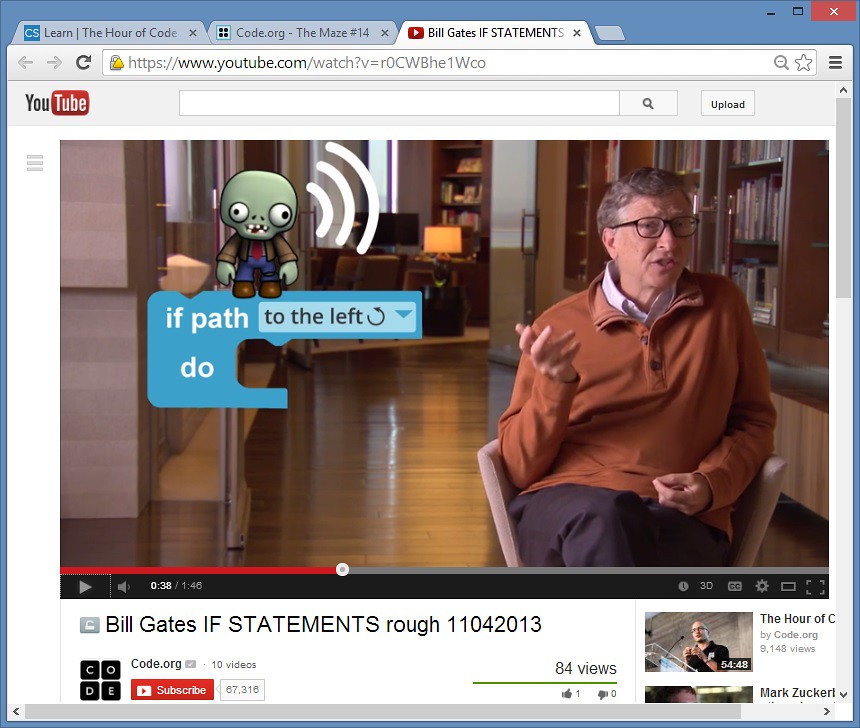
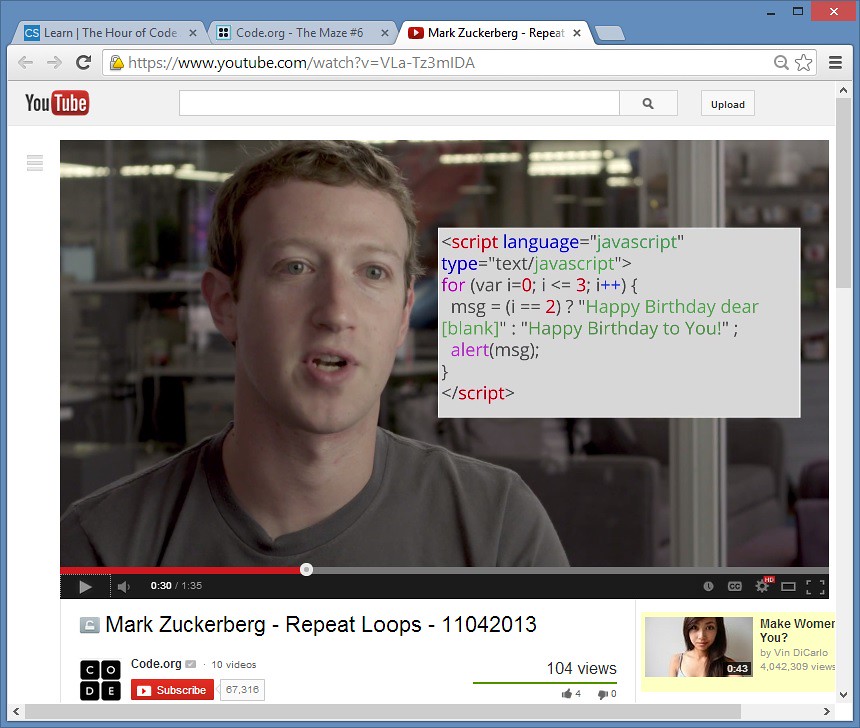
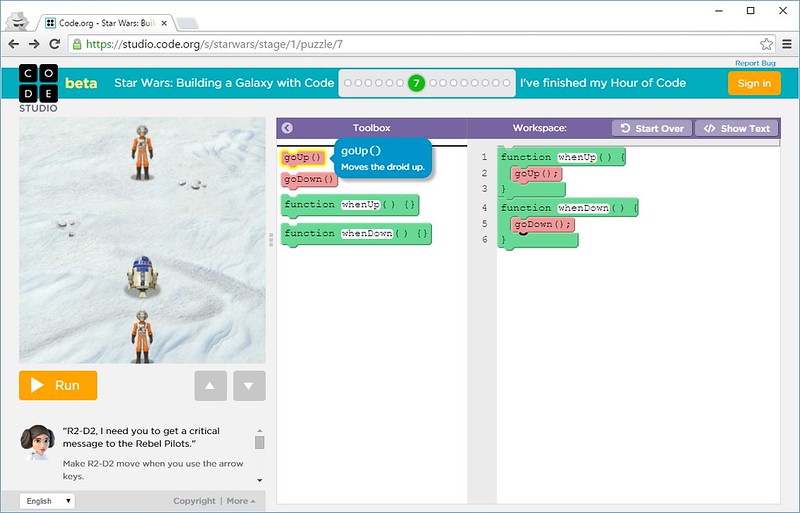
theodp writes: Teaching U.S. K-12 kids their programming fundamentals in past Hours of Code were an IF-fy Bill Gates and a LOOP-y Mark Zuckerberg. Interestingly, the new signature tutorial — Star Wars: Building a Galaxy with Code — created by Lucasfilm and Code.org ("in a locked room with no windows") for this December's Hour of Code, eschews both IF statements and loops. The new learn-to-code tutorial instead elects to show students "events" after they've gone through the usual move-up-down-left-right drills. With the NY Times and National Center for Women & Information Technology recently warning against putting Star Wars in the CS classroom ("Attracting more female high school students to computer science classes might be as easy as tossing out the Star Wars posters," claimed an Aug. 29th NCWIT Facebook post), the theme of the new tutorial seems an odd choice for Code.org, whose stated mission includes "increasing [CS] participation by women." But if Star Wars is, as some suggest, more aimed at boys, perhaps Code.org has something up its sleeve for girls (a la last year's Disney Princesses) with another as yet unannounced signature tutorial that it teased would be "just as HUGE" as the Star Wars one. Any guesses on what that might be? -
Hour of Code 2015 Star Wars Tutorial: Spare the IF Statement, Spoil the Child?
theodp writes: Teaching U.S. K-12 kids their programming fundamentals in past Hours of Code were an IF-fy Bill Gates and a LOOP-y Mark Zuckerberg. Interestingly, the new signature tutorial — Star Wars: Building a Galaxy with Code — created by Lucasfilm and Code.org ("in a locked room with no windows") for this December's Hour of Code, eschews both IF statements and loops. The new learn-to-code tutorial instead elects to show students "events" after they've gone through the usual move-up-down-left-right drills. With the NY Times and National Center for Women & Information Technology recently warning against putting Star Wars in the CS classroom ("Attracting more female high school students to computer science classes might be as easy as tossing out the Star Wars posters," claimed an Aug. 29th NCWIT Facebook post), the theme of the new tutorial seems an odd choice for Code.org, whose stated mission includes "increasing [CS] participation by women." But if Star Wars is, as some suggest, more aimed at boys, perhaps Code.org has something up its sleeve for girls (a la last year's Disney Princesses) with another as yet unannounced signature tutorial that it teased would be "just as HUGE" as the Star Wars one. Any guesses on what that might be? -
Before Barbie's Brainy Makeover, Mattel Execs Met With White House, Google
theodp writes: Mattel came under fire last November over its portrayal of Computer Engineer Barbie as incompetent. But the toymaker is now drawing kudos for its new Imagine the Possibilities Barbie ad campaign (video), which shows little girls pretending to be professionals in real-life settings, including a college professor lecturing students about the brain. Ad Age, however, is cynical of the empowering spin on Barbie, which it says "comes across as a manipulative way to silence criticism." Interestingly, some of that criticism may have come from the White House.
WH Visitor Records show that Barbie's brainy makeover came after Mattel execs — Evelyn Mazzocco, Julia Pistor, Heather Lazarus — were summoned to the White House last April to meet with the White House Council on Women and Girls. A little Googling suggests other attendees at the sit-down included representatives of the nation's leading toy makers (Disney Consumer, Nickelodeon, Hasbro, American Girl), media giants (Disney Channels, Viacom, TIME, Scholastic, Univision, Participant Media, Cartoon Network, Netflix), retailers (Walmart, Target), educators, scientists, the U.S. Dept. of Education (including the Deputy Director of Michelle Obama's Reach Higher Initiative), philanthropists (Rockefeller, Harnisch Foundations) — and Google. Representing Google was CS Education in Media Program Manager Julie Ann Crommett, who has worked with Disney to shape programming to inspire girls to pursue CS in conjunction with the search giant's $50 million Made With Code initiative.
The April White House meeting appears to be a reschedule of a planned March meeting that was to have included other Mattel execs, including Stephanie Cota, Venetia Davie, and Lori Pantel, to whom the task of apologizing for Computer Engineer Barbie fell last November. For the first time in over a decade, Barbie was no longer the most popular girls' toy last holiday season, having lost her crown to Disney Princesses Elsa and Anna, who coincidentally teamed up with Google-backed Code.org last December to "teach President Obama to code" at a widely-publicized White House event. -
Treat Computer Science As a Science: It's the Law
theodp writes: Last week, President Obama signed into law H.R. 1020, the STEM Education Act of 2015, which expands the definition of STEM to include computer science for the purposes of carrying out education activities at the NSF, DOE, NASA, NOAA, NIST, and the EPA. The Bill was introduced by Rep. Lamar Smith (R-TX) and Rep. Elizabeth Etsy (D-CT). Smith's February press release linked to letters of support from tech billionaire-backed Code.org (whose leadership includes Microsoft President Brad Smith), and the Microsoft-backed STEM Education Coalition (whose leadership includes Microsoft Director of Education Policy Allyson Knox). -
Hour of Code Kicks Off In Chile With Dog Poop-Themed CS Tutorial
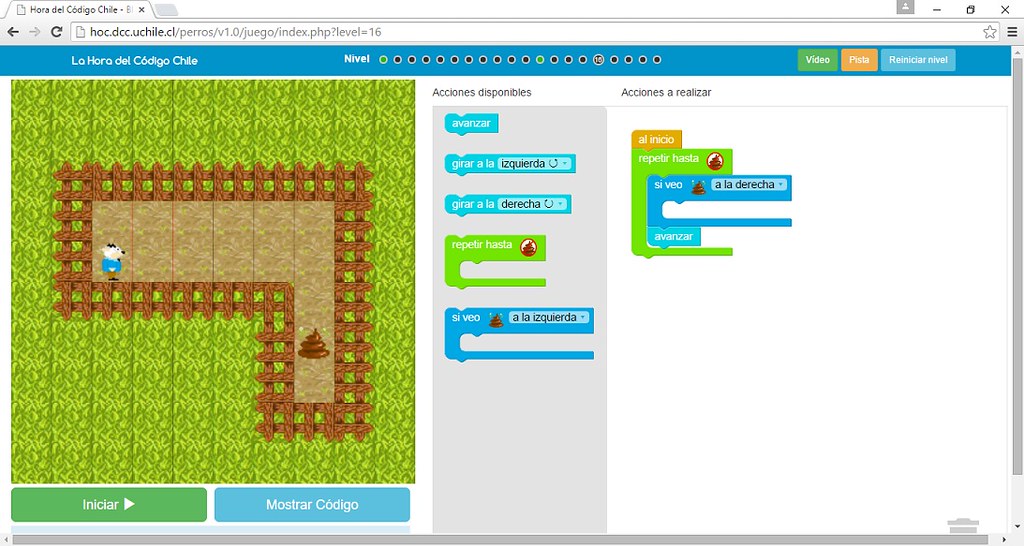
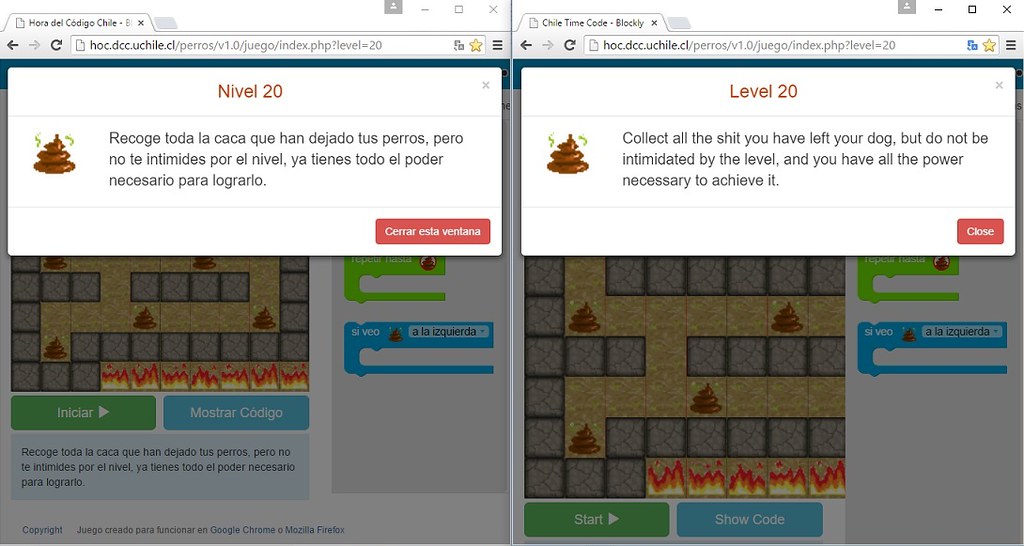
theodp writes: In an interesting contrast to the Disney princess-themed Hour of Code tutorial that 'taught President Obama to code' last December, Chile is kicking off its 2015 Hora del Codigo this week with a top-featured Blockly tutorial that teaches computer science by having kids drag-and-drop blocks of code to pick up dog poop. "Collect all the shit you have left your dog," reads the Google translated instructions for the final coding exercise. In its new video for the Hour of Code 2015 campaign, tech billionaire-backed Code.org notes that it's striving to reach 200 million schoolchildren worldwide by this December. Presumably towards that end, Code.org warns that it will penalize Computer Science tutorials that "work only in English." -
Microsoft Resurrects the Title of President
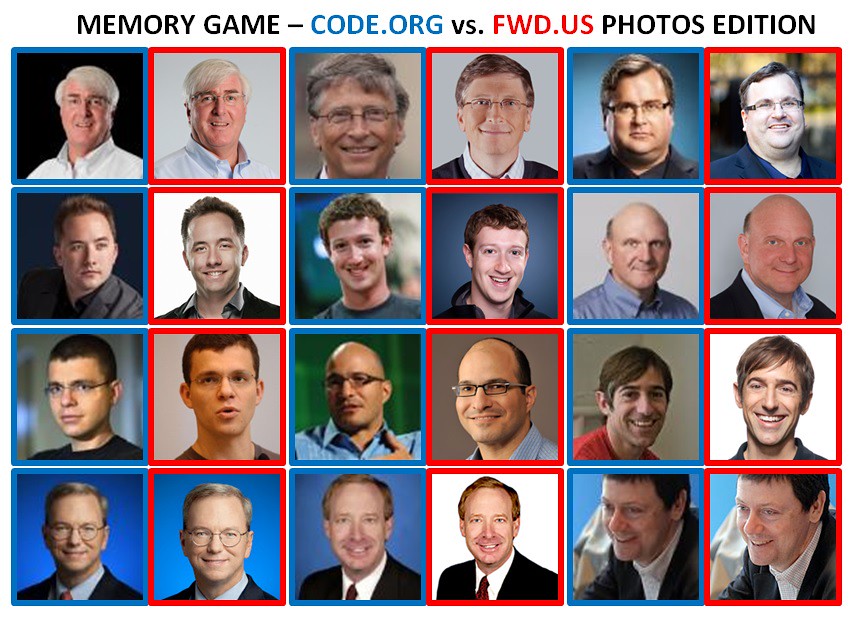
theodp writes: Microsoft CEO Satya Nadella promoted General Counsel Brad Smith to president and chief legal officer Friday, the first time Microsoft has had a company-wide president since 2002. Smith has been Microsoft's point person on convincing Congress of America's tech-worker shortage, an assertion that is disputed by others. At a 2012 forum on STEM education and immigration reform, Smith discussed "producing a crisis" to galvanize action on Microsoft's National Talent Strategy, which calls for increasing the number of H-1B visas to ostensibly make up for U.S. children's lack of CS-savvy. Coincidentally, a real national K-12 CS and tech immigration crisis emerged shortly thereafter, thanks to the efforts of new deep-pocketed nonprofit organizations like Code.org (headed by Smith's next-door neighbor) and Mark Zuckerberg's FWD.us PAC. Smith is a Code.org Board member and a FWD.us 'Major Contributor'. "We took this idea of connecting immigration to education last fall," Smith explained to the Daily Princetonian in 2013, "and when I started in September, we were the only ones talking about it. To have the White House endorse it, to have it embodied in the Senate Bill, to have people in both houses of Congress supporting it means that potentially this is a magic moment for some important steps for education reform as well." While crying crisis wolf to further its agenda has worked well for Microsoft, a Federal judge recently overturned 'emergency' tech immigration changes enacted by Homeland Security in 2008, saying that "the 17-month duration of the STEM extension appears to have been adopted directly from the unanimous suggestions by Microsoft." -
Microsoft Resurrects the Title of President
theodp writes: Microsoft CEO Satya Nadella promoted General Counsel Brad Smith to president and chief legal officer Friday, the first time Microsoft has had a company-wide president since 2002. Smith has been Microsoft's point person on convincing Congress of America's tech-worker shortage, an assertion that is disputed by others. At a 2012 forum on STEM education and immigration reform, Smith discussed "producing a crisis" to galvanize action on Microsoft's National Talent Strategy, which calls for increasing the number of H-1B visas to ostensibly make up for U.S. children's lack of CS-savvy. Coincidentally, a real national K-12 CS and tech immigration crisis emerged shortly thereafter, thanks to the efforts of new deep-pocketed nonprofit organizations like Code.org (headed by Smith's next-door neighbor) and Mark Zuckerberg's FWD.us PAC. Smith is a Code.org Board member and a FWD.us 'Major Contributor'. "We took this idea of connecting immigration to education last fall," Smith explained to the Daily Princetonian in 2013, "and when I started in September, we were the only ones talking about it. To have the White House endorse it, to have it embodied in the Senate Bill, to have people in both houses of Congress supporting it means that potentially this is a magic moment for some important steps for education reform as well." While crying crisis wolf to further its agenda has worked well for Microsoft, a Federal judge recently overturned 'emergency' tech immigration changes enacted by Homeland Security in 2008, saying that "the 17-month duration of the STEM extension appears to have been adopted directly from the unanimous suggestions by Microsoft." -
Get Big Fast: "500 Club" Delivers Teachers For Code.org
theodp writes: The Waterloo Cedar Falls Courier reports that Ben Schafer, an associate CS prof at the Univ. of Northern Iowa, was recognized at Code.org's annual summit for training 570 K-12 teachers in Iowa, which is equivalent to 5.5 percent of all U.S. teachers trained. Schafer ranked No. 2 in the '500 Club', a Code.org affiliate of trainers who trained more than 500 teachers in the first year of the program. Code.org's K-5 Affiliates "deliver one-day, in-person workshops to local elementary school teachers to teach computer science in a format that's fun and accessible". A Term Sheet explains to potential Affiliates that "Code.org will pay you $50 per workshop-attendee to cover costs, including food, and to compensate you and any teaching assistants." According to a White House' Fact Sheet, Code.org plans to use $20 million in philanthropic funds to train 10,000 teachers by fall 2015 and 25,000 teachers by fall 2016. You can follow their progress on Twitter, kids! -
Get Big Fast: "500 Club" Delivers Teachers For Code.org
theodp writes: The Waterloo Cedar Falls Courier reports that Ben Schafer, an associate CS prof at the Univ. of Northern Iowa, was recognized at Code.org's annual summit for training 570 K-12 teachers in Iowa, which is equivalent to 5.5 percent of all U.S. teachers trained. Schafer ranked No. 2 in the '500 Club', a Code.org affiliate of trainers who trained more than 500 teachers in the first year of the program. Code.org's K-5 Affiliates "deliver one-day, in-person workshops to local elementary school teachers to teach computer science in a format that's fun and accessible". A Term Sheet explains to potential Affiliates that "Code.org will pay you $50 per workshop-attendee to cover costs, including food, and to compensate you and any teaching assistants." According to a White House' Fact Sheet, Code.org plans to use $20 million in philanthropic funds to train 10,000 teachers by fall 2015 and 25,000 teachers by fall 2016. You can follow their progress on Twitter, kids! -
NSF Makes It Rain: $722K Award To Evaluate Microsoft-Backed TEALS
theodp writes: Microsoft has $92 billion in cash parked offshore, so it's kind of surprising to see a $722K National Science Foundation award is going towards validating the efficacy of Microsoft TEALS, the pet program of CEO Satya Nadella that sends volunteer software engineers with no teaching experience into high schools to teach kids and their teachers computer science. Among its Program Changes for 2015, TEALS said it "explicitly commits to provide a core set of curriculum materials that are complete, organized, and adaptable," which should help improve the outcome of the Developing Computer Science Pedagogical Content Knowledge through On-the-Job Learning NSF study schools are being asked to participate in. Meanwhile, CSTUY, a volunteer organization led by experienced CS teachers (including Slashdot user zamansky), finds itself turning to Kickstarter for $25K to fund Saturday Hacking Sessions. So, as Microsoft-backed Code.org — which has also attracted NSF award money to validate its CS program — is fond of saying: What's wrong with this picture? (To be fair to TEALS: it may have Microsoft backing, but it's not strictly a Microsoft effort, and also started out as a pure volunteer effort, as founder Kevin Wang explained earlier this year.) -
Rupert Murdoch Won't Be Teaching Your Children To Code After All
theodp writes: Plans for Rupert Murdoch & Co. to teach your children to code just hit a bump in the road. Murdoch's News Corp. last week announced it plans to exit the education business as it announced a $371 million write-down of the investment in its Amplify education unit, which aimed to reinvent education via digital tools, tablets and curriculum reinforced with snazzy graphics. The news may help to explain why Amplify MOOC, the entity that offered online AP Computer Science A to high school students, was re-dubbed Edhesive ("online education that sticks") a couple of months ago. Tech-backed Code.org, whose $1+ million "Gold Supporters" include the James and Kathryn Murdoch-led Quadrivium Foundation, announced a partnership with Edhesive to bring CS to schools in June, around the same time Edhesive LLC was formed. -
Rupert Murdoch Won't Be Teaching Your Children To Code After All
theodp writes: Plans for Rupert Murdoch & Co. to teach your children to code just hit a bump in the road. Murdoch's News Corp. last week announced it plans to exit the education business as it announced a $371 million write-down of the investment in its Amplify education unit, which aimed to reinvent education via digital tools, tablets and curriculum reinforced with snazzy graphics. The news may help to explain why Amplify MOOC, the entity that offered online AP Computer Science A to high school students, was re-dubbed Edhesive ("online education that sticks") a couple of months ago. Tech-backed Code.org, whose $1+ million "Gold Supporters" include the James and Kathryn Murdoch-led Quadrivium Foundation, announced a partnership with Edhesive to bring CS to schools in June, around the same time Edhesive LLC was formed. -
CollegeBoard: Analyses of CS Study Benefits Shouldn't Be Interpreted As Causal
theodp writes: Code.org, backed by some of tech's wealthiest individuals and their companies, is this close to getting computer science declared a 'core subject' in K-12 public schools. So, when the non-profit recently asked CollegeBoard for more evidence that learning computer science is linked to improved learning in other subjects, it must have been disheartened by the study results. "The purpose of this brief note," wrote the CollegeBoard, "is to document some exploratory analyses linking participation in AP Computer Science to subsequent performance in SAT Mathematics and AP Calculus and Statistics. None of these analyses should be interpreted as causal. Although there appears to be a relationship between AP CS participation and subsequent outcomes, it is highly likely that this is the result of one or more omitted and confounding characteristics of students that are not able to be controlled for given this research design." -
CollegeBoard: Analyses of CS Study Benefits Shouldn't Be Interpreted As Causal
theodp writes: Code.org, backed by some of tech's wealthiest individuals and their companies, is this close to getting computer science declared a 'core subject' in K-12 public schools. So, when the non-profit recently asked CollegeBoard for more evidence that learning computer science is linked to improved learning in other subjects, it must have been disheartened by the study results. "The purpose of this brief note," wrote the CollegeBoard, "is to document some exploratory analyses linking participation in AP Computer Science to subsequent performance in SAT Mathematics and AP Calculus and Statistics. None of these analyses should be interpreted as causal. Although there appears to be a relationship between AP CS participation and subsequent outcomes, it is highly likely that this is the result of one or more omitted and confounding characteristics of students that are not able to be controlled for given this research design." -
For Microsoft, Windows 10 Charity Begins At Home
theodp writes: "We're investing $10 million in organizations that are upgrading the world," Microsoft announced on in its new Upgrade Your World website, which was created in conjunction with the Windows 10 launch. "We've identified nine global nonprofits, and we'd like your help choosing the 10th." The missions of the selected nonprofits include fighting global poverty, preventing children living with HIV from needlessly dying, increasing access to quality education for children in the developing world, conserving the lands and waters on which all life depends, and ensuring that all kindergartners learn 'computer science.' To paraphrase Sesame Street, can you guess which cause is not like the others? If you guessed Code.org, which wants CS made a "core" K-12 subject in U.S. schools, you're right! Coincidentally, Code.org's biggest donors include Microsoft ($3M+), Ballmer Family Giving ($3M+), and Bill Gates ($1M+). And Code.org CEO Hadi Partovi, who once reported to Satya Nadella, is coincidentally a sometimes jogging partner of Steve Ballmer, as well as the next-door neighbor of Microsoft General Counsel and Code.org Board member Brad Smith, whose FWD.us bio notes is responsible for Microsoft's philanthropic work. Code.org emerged on the scene shortly after Smith suggested that action on Microsoft's 'two-pronged' National Talent Strategy to increase K-12 CS education and the number of H-1B visas could be galvanized by 'producing a crisis'. -
For Microsoft, Windows 10 Charity Begins At Home
theodp writes: "We're investing $10 million in organizations that are upgrading the world," Microsoft announced on in its new Upgrade Your World website, which was created in conjunction with the Windows 10 launch. "We've identified nine global nonprofits, and we'd like your help choosing the 10th." The missions of the selected nonprofits include fighting global poverty, preventing children living with HIV from needlessly dying, increasing access to quality education for children in the developing world, conserving the lands and waters on which all life depends, and ensuring that all kindergartners learn 'computer science.' To paraphrase Sesame Street, can you guess which cause is not like the others? If you guessed Code.org, which wants CS made a "core" K-12 subject in U.S. schools, you're right! Coincidentally, Code.org's biggest donors include Microsoft ($3M+), Ballmer Family Giving ($3M+), and Bill Gates ($1M+). And Code.org CEO Hadi Partovi, who once reported to Satya Nadella, is coincidentally a sometimes jogging partner of Steve Ballmer, as well as the next-door neighbor of Microsoft General Counsel and Code.org Board member Brad Smith, whose FWD.us bio notes is responsible for Microsoft's philanthropic work. Code.org emerged on the scene shortly after Smith suggested that action on Microsoft's 'two-pronged' National Talent Strategy to increase K-12 CS education and the number of H-1B visas could be galvanized by 'producing a crisis'. -
Well-Played: Microsoft Parlays NSF Video 'Remake' Into National CS K-12 Crisis
theodp writes: K–12 computer science and information technology teachers head to Grapevine, TX this week for the 2015 CSTA Conference. A glance at the draft agenda shows a remarkable number of presenters employed by or tied to two-year-old Code.org, the tech-bankrolled nonprofit that coincidentally sprung up together with Mark Zuckerberg's FWD.us PAC just months after Microsoft called for the creation of a national K-12 CS and tech immigration crisis to advance its agenda. Code.org's shaping of the nation's CS K-12 education began with the release of its tech-billionaire and celebrity-studded, slickly-produced What Most Schools Don't Teach video, which went viral on YouTube after being promoted by politicians, Facebook, Google, and a Microsoft-sponsored theatrical release, sparking a groundswell of interest in expanding K-12 CS education, succeeding where a similarly-themed-and-messaged but decidedly-amateurish National Science Foundation video of real-but-little-known computer scientists failed just months earlier (YouTube Doubler comparison). (More, below.) "The time is ripe to seize that opportunity," declared the ACM's and Code.org's Cameron Wilson, describing how Code.org was forming a coalition with Microsoft, Google, NSF, NCWIT, ACM, CSTA, and others with the goal of changing policy to support CS education. Computer science educators literally applauded Code.org's efforts, which have led to funding of a number of new K-12 CS projects, and may soon make No Child Left Behind Act funding available for K-12 CS education. Despite promises of transparency, details of the relationship of the National Science Foundation, now-NSF partner Code.org, the White House, ACM, NCWIT, College Board, and Code.org's corporate and billionaire backers — including Microsoft, Google, and Facebook — have never really been explained. -
Well-Played: Microsoft Parlays NSF Video 'Remake' Into National CS K-12 Crisis
theodp writes: K–12 computer science and information technology teachers head to Grapevine, TX this week for the 2015 CSTA Conference. A glance at the draft agenda shows a remarkable number of presenters employed by or tied to two-year-old Code.org, the tech-bankrolled nonprofit that coincidentally sprung up together with Mark Zuckerberg's FWD.us PAC just months after Microsoft called for the creation of a national K-12 CS and tech immigration crisis to advance its agenda. Code.org's shaping of the nation's CS K-12 education began with the release of its tech-billionaire and celebrity-studded, slickly-produced What Most Schools Don't Teach video, which went viral on YouTube after being promoted by politicians, Facebook, Google, and a Microsoft-sponsored theatrical release, sparking a groundswell of interest in expanding K-12 CS education, succeeding where a similarly-themed-and-messaged but decidedly-amateurish National Science Foundation video of real-but-little-known computer scientists failed just months earlier (YouTube Doubler comparison). (More, below.) "The time is ripe to seize that opportunity," declared the ACM's and Code.org's Cameron Wilson, describing how Code.org was forming a coalition with Microsoft, Google, NSF, NCWIT, ACM, CSTA, and others with the goal of changing policy to support CS education. Computer science educators literally applauded Code.org's efforts, which have led to funding of a number of new K-12 CS projects, and may soon make No Child Left Behind Act funding available for K-12 CS education. Despite promises of transparency, details of the relationship of the National Science Foundation, now-NSF partner Code.org, the White House, ACM, NCWIT, College Board, and Code.org's corporate and billionaire backers — including Microsoft, Google, and Facebook — have never really been explained. -
Well-Played: Microsoft Parlays NSF Video 'Remake' Into National CS K-12 Crisis
theodp writes: K–12 computer science and information technology teachers head to Grapevine, TX this week for the 2015 CSTA Conference. A glance at the draft agenda shows a remarkable number of presenters employed by or tied to two-year-old Code.org, the tech-bankrolled nonprofit that coincidentally sprung up together with Mark Zuckerberg's FWD.us PAC just months after Microsoft called for the creation of a national K-12 CS and tech immigration crisis to advance its agenda. Code.org's shaping of the nation's CS K-12 education began with the release of its tech-billionaire and celebrity-studded, slickly-produced What Most Schools Don't Teach video, which went viral on YouTube after being promoted by politicians, Facebook, Google, and a Microsoft-sponsored theatrical release, sparking a groundswell of interest in expanding K-12 CS education, succeeding where a similarly-themed-and-messaged but decidedly-amateurish National Science Foundation video of real-but-little-known computer scientists failed just months earlier (YouTube Doubler comparison). (More, below.) "The time is ripe to seize that opportunity," declared the ACM's and Code.org's Cameron Wilson, describing how Code.org was forming a coalition with Microsoft, Google, NSF, NCWIT, ACM, CSTA, and others with the goal of changing policy to support CS education. Computer science educators literally applauded Code.org's efforts, which have led to funding of a number of new K-12 CS projects, and may soon make No Child Left Behind Act funding available for K-12 CS education. Despite promises of transparency, details of the relationship of the National Science Foundation, now-NSF partner Code.org, the White House, ACM, NCWIT, College Board, and Code.org's corporate and billionaire backers — including Microsoft, Google, and Facebook — have never really been explained. -
Well-Played: Microsoft Parlays NSF Video 'Remake' Into National CS K-12 Crisis
theodp writes: K–12 computer science and information technology teachers head to Grapevine, TX this week for the 2015 CSTA Conference. A glance at the draft agenda shows a remarkable number of presenters employed by or tied to two-year-old Code.org, the tech-bankrolled nonprofit that coincidentally sprung up together with Mark Zuckerberg's FWD.us PAC just months after Microsoft called for the creation of a national K-12 CS and tech immigration crisis to advance its agenda. Code.org's shaping of the nation's CS K-12 education began with the release of its tech-billionaire and celebrity-studded, slickly-produced What Most Schools Don't Teach video, which went viral on YouTube after being promoted by politicians, Facebook, Google, and a Microsoft-sponsored theatrical release, sparking a groundswell of interest in expanding K-12 CS education, succeeding where a similarly-themed-and-messaged but decidedly-amateurish National Science Foundation video of real-but-little-known computer scientists failed just months earlier (YouTube Doubler comparison). (More, below.) "The time is ripe to seize that opportunity," declared the ACM's and Code.org's Cameron Wilson, describing how Code.org was forming a coalition with Microsoft, Google, NSF, NCWIT, ACM, CSTA, and others with the goal of changing policy to support CS education. Computer science educators literally applauded Code.org's efforts, which have led to funding of a number of new K-12 CS projects, and may soon make No Child Left Behind Act funding available for K-12 CS education. Despite promises of transparency, details of the relationship of the National Science Foundation, now-NSF partner Code.org, the White House, ACM, NCWIT, College Board, and Code.org's corporate and billionaire backers — including Microsoft, Google, and Facebook — have never really been explained. -
Well-Played: Microsoft Parlays NSF Video 'Remake' Into National CS K-12 Crisis
theodp writes: K–12 computer science and information technology teachers head to Grapevine, TX this week for the 2015 CSTA Conference. A glance at the draft agenda shows a remarkable number of presenters employed by or tied to two-year-old Code.org, the tech-bankrolled nonprofit that coincidentally sprung up together with Mark Zuckerberg's FWD.us PAC just months after Microsoft called for the creation of a national K-12 CS and tech immigration crisis to advance its agenda. Code.org's shaping of the nation's CS K-12 education began with the release of its tech-billionaire and celebrity-studded, slickly-produced What Most Schools Don't Teach video, which went viral on YouTube after being promoted by politicians, Facebook, Google, and a Microsoft-sponsored theatrical release, sparking a groundswell of interest in expanding K-12 CS education, succeeding where a similarly-themed-and-messaged but decidedly-amateurish National Science Foundation video of real-but-little-known computer scientists failed just months earlier (YouTube Doubler comparison). (More, below.) "The time is ripe to seize that opportunity," declared the ACM's and Code.org's Cameron Wilson, describing how Code.org was forming a coalition with Microsoft, Google, NSF, NCWIT, ACM, CSTA, and others with the goal of changing policy to support CS education. Computer science educators literally applauded Code.org's efforts, which have led to funding of a number of new K-12 CS projects, and may soon make No Child Left Behind Act funding available for K-12 CS education. Despite promises of transparency, details of the relationship of the National Science Foundation, now-NSF partner Code.org, the White House, ACM, NCWIT, College Board, and Code.org's corporate and billionaire backers — including Microsoft, Google, and Facebook — have never really been explained. -
WA Gov. Sides With Microsoft: Philanthropy-Funded K-12 CS Education Now the Law
theodp writes: During public hearings on WA State's House Bill 1813, which took aim at boys' historical over-representation in K-12 computer classes, the Office of the WA State Superintendent of Public Instruction voiced concerns that by relying on the generosity of corporations, wealthy individuals, and nonprofits to fund STEM, computer science, and technology programs, learning opportunities would be limited to a small group of students, creating disparity of opportunity. "If this is a real priority," pleaded Chris Vance, "fund it fully" (HB 1813, like the White House K-12 CS plan, counts on philanthropy to make up for tax shortfalls). But legislators in the WA House and Senate — apparently more swayed by the pro-HB 1813 testimony of representatives from Microsoft and Microsoft-backed TEALS and Code.org — overwhelmingly passed the bill, sending it to Governor Jay Inslee for his signature. Not to worry. On Wednesday, the bill was signed into law by Gov. Inslee, who was perhaps influenced by the we-need-to-pass-HB-1813 blogging of Microsoft General Counsel and Code.org Board member Brad Smith, who coincidentally is not only responsible for Microsoft's philanthropic work, but was also co-chair of Gov.-elect Inslee's transition team. The WA state legislative victory comes less than 24 hours after the San Francisco School Board voted to require CS instruction beginning with preschool. -
San Francisco Public Schools To Require Computer Science For Preschoolers
theodp writes: Never underestimate the ability of tech and its leaders to create a crisis. The S.F. Chronicle's Jill Tucker reports that the San Francisco School Board unanimously voted Tuesday to ensure every student in the district gets a computer science education, with coursework offered in every grade from preschool through high school, a first for a public school district. Tech companies, including Salesforce.com, as well as foundations and community groups, are expected to pitch in funding and other technical support to create the new coursework, equip schools and train staff to teach it. From Resolution No. 155-26A2 (PDF), In Support of Expanding Computer Science and Digital Learning to All Students at All Schools from Pre-K to 12th Grade: 1. "All students are capable of making sense of computer science in ways that are creative, interactive, and relevant." 2. "All students, from pre-K to 12, deserve access to rigorous and culturally meaningful computer science education and should be held to high expectations for interacting with the curriculum." 3. "Students' access to and achievement in computer science must not be predictable on the basis of race, ethnicity, gender, socioeconomic status, language, religion, sexual orientation, cultural affiliation, or special needs." MissionLocal has a two-page SFUSD flyer on the project, which aims to illustrate the "importance of computer science" with the same Code.org jobs infographic that Microsoft used to help achieve its stated goal of creating a national K-12 CS crisis, and demonstrate "disparities in accessing CS education" for SFUSD's 57,000 students with a small-sample-size-be-damned bar chart of the racial demographics of the school district's 209 AP Computer Science participants (181 Asian, 0 African American, 6 Latino, 1 Native American, 14 White, 7 Other). -
Clinton Foundation: Kids' Lack of CS Savvy Threatens the US Economy
theodp writes: As the press digs for details on Clinton Foundation donations, including a reported $26+ million from Microsoft and Bill Gates, it's probably worth noting the interest the Clintons have developed in computer science and the role they have played — and continue to play — in the national K-12 CS and tech immigration crisis that materialized after Microsoft proposed creating such a crisis to advance its 'two-pronged' National Talent Strategy, which aims to increase K-12 CS education and the number of H-1B visas. Next thing you know, Bill is the face of CS at the launch of Code.org. Then Hillary uses the Clinton Global Initiative (CGI) conference to launch a Facebook, Microsoft, and Google initiative to boost the ranks of female and students of color in CS, and starts decrying woeful CS enrollment. Not to be left out, Chelsea keynotes the NCWIT Summit and launches Google's $50M girls-only Made With Code initiative with now-U.S. CTO Megan Smith. And last December, the Clinton Foundation touted its initiatives to engage middle school girls in CS, revamp the nation's AP CS program, and retrain out-of-work Americans as coders. At next month's CGI America 2015, the conference will kick off with a Beer Bust that CGI says "will also provide an opportunity to learn about Tech Girls Rock, a CGI Commitment to Action launched by CA Technologies in partnership with the Boys & Girls Clubs of America that helps girls discover an interest in tech-related educational opportunities and careers." On the following days, CGI sessions will discuss tech's need for a strong and diverse talent pipeline for computer and information technology jobs, which it says is threatened by "the persistent poor performance of American students in science, technology, engineering, and math," presenting "serious implications for the long-term competitiveness of the U.S. economy." So what's the long-term solution? Expanding CS education, of course! -
AP Computer Science Education Scalability: Advantage, Rupert Murdoch?
theodp writes: Code.org's AP Computer Science offering won't be going mainstream until the 2016-2017 school year. In the meantime, NewsWorks' Avi Wolfman-Arent reports that Rupert Murdoch's Amplify MOOC just wrapped up its second year of offering AP Computer Science A. And unlike Microsoft TEALS, Google CS First, and Code.org — programs constrained by the number of volunteers, teacher and classroom availability, professional development requirements, and money — Murdoch's AP CS MOOC holds the promise of open-access, unlimited-enrollment, learn-anywhere-and-anytime classes, a la Coursera, Udacity and EdX. So, did Microsoft, Google, Amazon, Facebook, and their leaders place a $30 million bet on the wrong horse when it comes to AP Computer Science scalability? And, even if they've got a more scalable model, will Murdoch's Amplify and schools be willing to deal with higher MOOC failure rates, and allow large numbers of students to try — and possibly drop or fail — AP CS without economic or academic consequences? -
AP Computer Science Education Scalability: Advantage, Rupert Murdoch?
theodp writes: Code.org's AP Computer Science offering won't be going mainstream until the 2016-2017 school year. In the meantime, NewsWorks' Avi Wolfman-Arent reports that Rupert Murdoch's Amplify MOOC just wrapped up its second year of offering AP Computer Science A. And unlike Microsoft TEALS, Google CS First, and Code.org — programs constrained by the number of volunteers, teacher and classroom availability, professional development requirements, and money — Murdoch's AP CS MOOC holds the promise of open-access, unlimited-enrollment, learn-anywhere-and-anytime classes, a la Coursera, Udacity and EdX. So, did Microsoft, Google, Amazon, Facebook, and their leaders place a $30 million bet on the wrong horse when it comes to AP Computer Science scalability? And, even if they've got a more scalable model, will Murdoch's Amplify and schools be willing to deal with higher MOOC failure rates, and allow large numbers of students to try — and possibly drop or fail — AP CS without economic or academic consequences? -
Gates, Zuckerberg Promising Same Jobs To US Kids and Foreign H-1B Workers?
theodp writes: Over at the Bill Gates and Mark Zuckerberg-bankrolled Code.org, they're using the number of open computing jobs in each state to convince parents of the need to expand K-12 CS offerings so their kids can fill those jobs. Sounds good, right? But at the same time, the Gates and Zuckerberg-bankrolled FWD.org PAC has taken to Twitter, using the number of open "STEM" jobs in each state to convince politicians of the need to expand the number of H-1B visas so foreign workers can fill those jobs. While the goal of Microsoft's 'two-pronged' National Talent Strategy is to kill two birds [K-12 CS education and H-1B visas] with one crisis, is it fair for organizations backed by many of the same wealthy individuals to essentially promise the same jobs to U.S. kids and foreign H-1B workers? -
Gates, Zuckerberg Promising Same Jobs To US Kids and Foreign H-1B Workers?
theodp writes: Over at the Bill Gates and Mark Zuckerberg-bankrolled Code.org, they're using the number of open computing jobs in each state to convince parents of the need to expand K-12 CS offerings so their kids can fill those jobs. Sounds good, right? But at the same time, the Gates and Zuckerberg-bankrolled FWD.org PAC has taken to Twitter, using the number of open "STEM" jobs in each state to convince politicians of the need to expand the number of H-1B visas so foreign workers can fill those jobs. While the goal of Microsoft's 'two-pronged' National Talent Strategy is to kill two birds [K-12 CS education and H-1B visas] with one crisis, is it fair for organizations backed by many of the same wealthy individuals to essentially promise the same jobs to U.S. kids and foreign H-1B workers? -
Gates, Zuckerberg Promising Same Jobs To US Kids and Foreign H-1B Workers?
theodp writes: Over at the Bill Gates and Mark Zuckerberg-bankrolled Code.org, they're using the number of open computing jobs in each state to convince parents of the need to expand K-12 CS offerings so their kids can fill those jobs. Sounds good, right? But at the same time, the Gates and Zuckerberg-bankrolled FWD.org PAC has taken to Twitter, using the number of open "STEM" jobs in each state to convince politicians of the need to expand the number of H-1B visas so foreign workers can fill those jobs. While the goal of Microsoft's 'two-pronged' National Talent Strategy is to kill two birds [K-12 CS education and H-1B visas] with one crisis, is it fair for organizations backed by many of the same wealthy individuals to essentially promise the same jobs to U.S. kids and foreign H-1B workers? -
College Board Puts Code.org In Charge of AP CS Program
theodp writes: "The College Board," reports GeekWire, "is endorsing Code.org as a coursework and teacher training provider for its upcoming AP Computer Science Principles course and will help Code.org fund the teacher training work required to establish new computer science classes." So what's the catch? "Schools that commit to using the [new] PSAT [8/9 assessment] to identify middle school students who have potential for success in computer science will be eligible to receive curriculum, training, and funding for programming classes." The organization is bankrolled by some of tech's wealthiest leaders and their corporations. Code.org board member Brad Smith, Microsoft's General Counsel, proposed the idea of "producing a crisis" to advance Microsoft's "two-pronged" National Talent Strategy to increase K-12 CS education and the number of H-1B visas. Just months thereafter, nonprofit organizations Code.org and Mark Zuckerberg's FWD.us, which is lobbying for H-1B reform, were born. -
College Board Puts Code.org In Charge of AP CS Program
theodp writes: "The College Board," reports GeekWire, "is endorsing Code.org as a coursework and teacher training provider for its upcoming AP Computer Science Principles course and will help Code.org fund the teacher training work required to establish new computer science classes." So what's the catch? "Schools that commit to using the [new] PSAT [8/9 assessment] to identify middle school students who have potential for success in computer science will be eligible to receive curriculum, training, and funding for programming classes." The organization is bankrolled by some of tech's wealthiest leaders and their corporations. Code.org board member Brad Smith, Microsoft's General Counsel, proposed the idea of "producing a crisis" to advance Microsoft's "two-pronged" National Talent Strategy to increase K-12 CS education and the number of H-1B visas. Just months thereafter, nonprofit organizations Code.org and Mark Zuckerberg's FWD.us, which is lobbying for H-1B reform, were born. -
College Board Puts Code.org In Charge of AP CS Program
theodp writes: "The College Board," reports GeekWire, "is endorsing Code.org as a coursework and teacher training provider for its upcoming AP Computer Science Principles course and will help Code.org fund the teacher training work required to establish new computer science classes." So what's the catch? "Schools that commit to using the [new] PSAT [8/9 assessment] to identify middle school students who have potential for success in computer science will be eligible to receive curriculum, training, and funding for programming classes." The organization is bankrolled by some of tech's wealthiest leaders and their corporations. Code.org board member Brad Smith, Microsoft's General Counsel, proposed the idea of "producing a crisis" to advance Microsoft's "two-pronged" National Talent Strategy to increase K-12 CS education and the number of H-1B visas. Just months thereafter, nonprofit organizations Code.org and Mark Zuckerberg's FWD.us, which is lobbying for H-1B reform, were born. -
Microsoft-Backed Think Tank: K-12 CS Education Cure For Sagging US Productivity
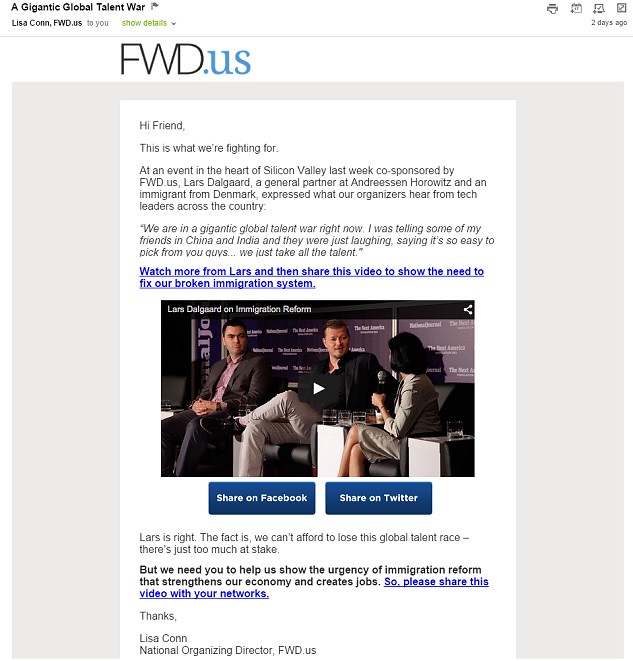
theodp writes: On May 6, notes think tank Brookings, the Department of Labor released labor productivity data showing that output per worker fell by 1.9 percent during the first quarter of 2015. But fear not — the Metropolitan Policy Program of [Microsoft-backed] Brookings says K-12 computer science education is the cure for what ails U.S. productivity: "So how can the United States reverse this trend? First, states, metropolitan areas, and school districts must recognize that basic digital literacy is no longer sufficient preparation for the 21st century workforce. Familiarity with higher-level skills such as coding will be critical as the role of technology continues to grow. The 60-plus school districts that have partnered with [Microsoft-backed] Code.org have already begun to move in this direction. By introducing students to computer science fundamentals early on, Code.org and its partner districts will help get more people on pathways to well-paying jobs in computer programming and other fields." Creating a national K-12 CS and tech immigration crisis was proposed as Microsoft introduced its 'two-pronged' National Talent Strategy to increase K-12 CS education and the number of H-1B visas at a Brookings event in 2012. While creating a K-12 CS crisis fell to Code.org, fanning the flames of a tech immigration crisis is the purvey of [Microsoft exec-backed] FWD.us, the PAC formed by Facebook CEO Mark Zuckerberg, which recently sent an email blast warning U.S. citizens they're in 'A Gigantic Global Talent War', adding that China and India citizens are "just laughing [at the US], saying it's so easy to pick from you guys... we just take all the talent." -
White House Outsources K-12 CS Education To Infosys Charity
theodp writes: In December, the White House praised the leadership of Code.org for their efforts to get more computer science into K-12 schools, which were bankrolled by $20 million in philanthropic contributions from the likes of Google, Microsoft, Bill Gates, Steve Ballmer, and Mark Zuckerberg. On Monday, it was announced that Infosys Foundation USA will be partnering with Code.org to bring CS education to millions of U.S. students. Infosys Foundation USA Chair Vandana Sikka, who joins execs from Microsoft, Google, and Amazon execs on Code.org's Board, is the spouse of Infosys CEO Vishal Sikka. The announcement from the tax-deductible charity comes as India-based Infosys finds itself scrutinized by U.S. Senators over allegations of H-1B visa program abuses. -
LAUSD OKs Girls-Only STEM School, Plans Boys-Only English Language Arts School
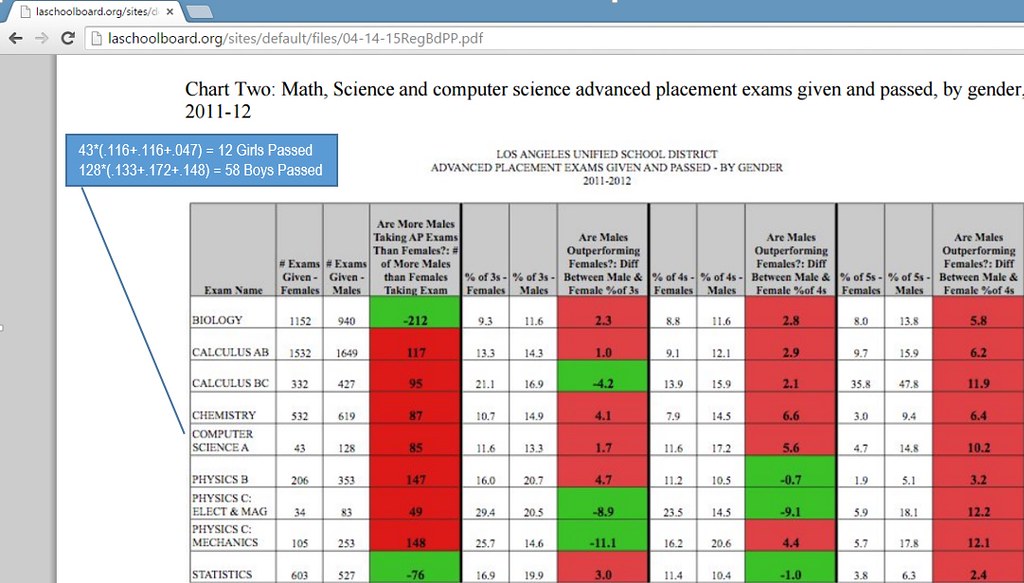
theodp writes: Citing statistics that showed a whopping 46 more boys than girls passed the AP Computer Science Exam in 2011-12, the 640,000+ student Los Angeles Unified School District (LAUSD) on Tuesday approved a waiver to enable the District to operate a single-gender, all-girls STEM School called the Girls Academic Leadership Academy (GALA). Students in GALA will follow a six year sequence of computer courses starting in middle school that will culminate in AP Computer Science Principles. "Fewer females take AP courses in math, science, or computer science, and they are not as successful as males in receiving passing scores of 3, 4 or 5," argued the General Waiver Request (PDF, 700+ pages). "An all girls environment is reasonably necessary for the school to improve the self-confidence of girls in their academic abilities, especially in STEM areas where an achievement gap currently exists. GALA's admissions shall also comply with AB 1266 to ensure male students who identify as female are admitted to the school." The school's CS-related Partners include the UCLA Exploring Computer Science Program, as well as Google-bankrolled Girls Who Code, Black Girls Code, and NCWIT. One of the reasons the all-girls STEM school reportedly got the green light is that its backers satisfied federal regulations requiring a "substantially equal school" for excluded male students by submitting a plan for a companion all-boys school that would emphasize English Language Arts, where they often fall short of girls' test scores, rather than GALA's focus on STEM. One suspects the no-fan-of-gender-restricted-public-schools ACLU may call BS on this maneuver. -
Senate Draft of No Child Left Behind Act Draft Makes CS a 'Core' Subject
theodp (442580) writes "If at first you don't succeed, lobby, lobby again. That's a lesson to be learned from Microsoft and Google, who in 2010 launched advocacy coalition Computing in the Core, which aimed "to strengthen K-12 computer science education and ensure that computer science is one of the core academic subjects that prepares students for jobs in our digital society." In 2013, Computing in the Core "merged" with Code.org, a new nonprofit led by the next door neighbor of Microsoft's General Counsel and funded by wealthy tech execs and their companies. When Code.org 'taught President Obama to code' in a widely-publicized White House event last December, visitor records indicate that Google, Microsoft, and Code.org execs had a sitdown immediately afterwards with the head of the NSF, and a Microsoft lobbyist in attendance returned to the White House the next day with Microsoft CEO Satya Nadella and General Counsel Brad Smith (who also sits on Code.org's Board) in tow. Looks like all of that hard work may finally pay off. Education Week reports that computer science has been quietly added to the list of disciplines defined as 'core academic subjects' in the Senate draft of the rewritten No Child Left Behind Act, a status that opens the doors to a number of funding opportunities. After expressing concern that his teenage daughters hadn't taken to coding the way he'd like, President Obama added, "I think they got started a little bit late. Part of what you want to do is introduce this with the ABCs and the colors." So, don't be too surprised if your little ones are soon focusing on the four R's — reading, 'riting, 'rithmetic, and Rapunzel — in school!" -
Senate Draft of No Child Left Behind Act Draft Makes CS a 'Core' Subject
theodp (442580) writes "If at first you don't succeed, lobby, lobby again. That's a lesson to be learned from Microsoft and Google, who in 2010 launched advocacy coalition Computing in the Core, which aimed "to strengthen K-12 computer science education and ensure that computer science is one of the core academic subjects that prepares students for jobs in our digital society." In 2013, Computing in the Core "merged" with Code.org, a new nonprofit led by the next door neighbor of Microsoft's General Counsel and funded by wealthy tech execs and their companies. When Code.org 'taught President Obama to code' in a widely-publicized White House event last December, visitor records indicate that Google, Microsoft, and Code.org execs had a sitdown immediately afterwards with the head of the NSF, and a Microsoft lobbyist in attendance returned to the White House the next day with Microsoft CEO Satya Nadella and General Counsel Brad Smith (who also sits on Code.org's Board) in tow. Looks like all of that hard work may finally pay off. Education Week reports that computer science has been quietly added to the list of disciplines defined as 'core academic subjects' in the Senate draft of the rewritten No Child Left Behind Act, a status that opens the doors to a number of funding opportunities. After expressing concern that his teenage daughters hadn't taken to coding the way he'd like, President Obama added, "I think they got started a little bit late. Part of what you want to do is introduce this with the ABCs and the colors." So, don't be too surprised if your little ones are soon focusing on the four R's — reading, 'riting, 'rithmetic, and Rapunzel — in school!" -
Senate Draft of No Child Left Behind Act Draft Makes CS a 'Core' Subject
theodp (442580) writes "If at first you don't succeed, lobby, lobby again. That's a lesson to be learned from Microsoft and Google, who in 2010 launched advocacy coalition Computing in the Core, which aimed "to strengthen K-12 computer science education and ensure that computer science is one of the core academic subjects that prepares students for jobs in our digital society." In 2013, Computing in the Core "merged" with Code.org, a new nonprofit led by the next door neighbor of Microsoft's General Counsel and funded by wealthy tech execs and their companies. When Code.org 'taught President Obama to code' in a widely-publicized White House event last December, visitor records indicate that Google, Microsoft, and Code.org execs had a sitdown immediately afterwards with the head of the NSF, and a Microsoft lobbyist in attendance returned to the White House the next day with Microsoft CEO Satya Nadella and General Counsel Brad Smith (who also sits on Code.org's Board) in tow. Looks like all of that hard work may finally pay off. Education Week reports that computer science has been quietly added to the list of disciplines defined as 'core academic subjects' in the Senate draft of the rewritten No Child Left Behind Act, a status that opens the doors to a number of funding opportunities. After expressing concern that his teenage daughters hadn't taken to coding the way he'd like, President Obama added, "I think they got started a little bit late. Part of what you want to do is introduce this with the ABCs and the colors." So, don't be too surprised if your little ones are soon focusing on the four R's — reading, 'riting, 'rithmetic, and Rapunzel — in school!" -
Stanford Turns To Pair Programming: 1 CS Education For the Price of 2?
theodp writes: Stanford students may pay $44,184 in tuition, but that may not even entitle them to individually graded homework. The Stanford Daily reports that this quarter, Stanford's Computer Science Department will implement 'pair programming' in the introductory computer science courses CS 106A: Programming Methodology and CS 106B: Programming Abstractions. "The purpose of this change," reports the paper, "is to reduce the increasingly demanding workload for section leaders due to high enrollment and also help students to develop important collaboration skills." The CS 106A Pair Programming Q&A page further explains, "Our enrollments have grown rapidly, and we are trying to explore creative new ways to manage student work that will also reduce the heavy workload on our section leaders," adding that students who don't get with the Pair Programming program and elect to go solo will not be awarded "late days" that can be used to avoid penalties on overdue assignments, unlike their paired classmates. Google in November put out an RFP to universities for its invite-only 3X in 3 Years: CS Capacity Award program, which aimed "to support faculty in finding innovative ways to address the capacity problem in their CS courses," which included a suggestion that "students that have some CS background" should not be allowed to attend in-person intro CS courses. Coincidentally, Google Director of Education and University Relations Maggie Johnson, whose name appeared on the CS Capacity RFP, was Director of Undergraduate Studies in Stanford's CS Department before joining Google. -
Go R, Young Man
theodp (442580) writes " Learning to code has become a mainstream fascination," writes Brian Liou in Why are YOU learning to code?, "but all the evangelization has been misleading. The problem in our Chris-Bosh-codes-so-should-you society is that people learn to code without first asking "for what purpose do you want to use code?" What in your day-to-day work could you actually automate using code? Let's face it, your odds of creating the next hot iPhone app aren't great, but the spreadsheets you look at everyday or the strategic business decisions you or your company makes? Coding can help you with those. Coding to better understand data would help everyone." Leada co-founder Liou's advice? "So to all non-technical professionals looking to get technical: If you want to become a software engineer, by all means learn Ruby or go through the JavaScript tutorials on Codecademy. But if you're simply a business professional looking to gain an edge on your peers, trust me, you are much better off learning R." So, did Mark Zuckerberg steer 100 million K-12 coder wannabes down the wrong path with the JavaScript and Ruby preaching?" -
Microsoft, Amazon, Google, Facebook Press WA For $40M For New UW CS Building
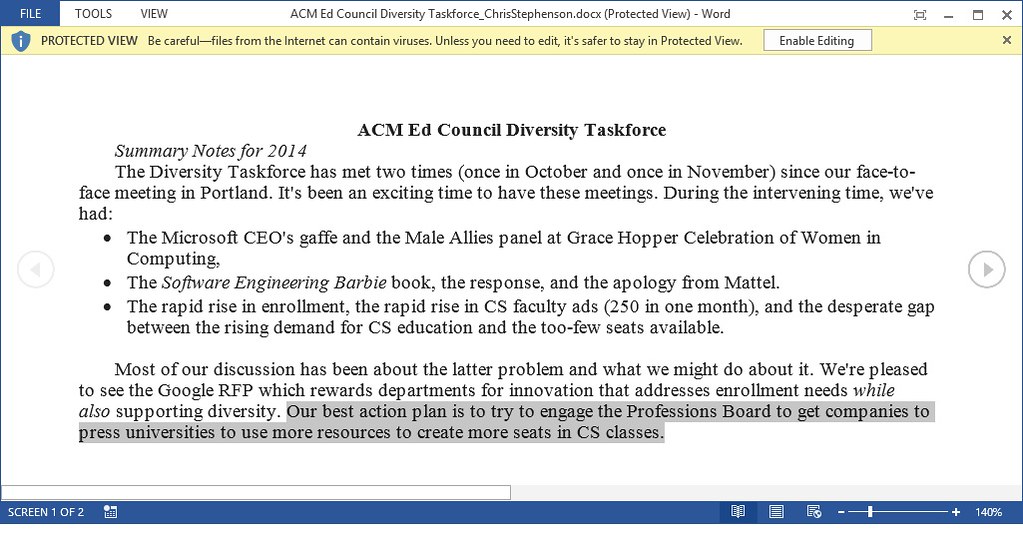
theodp (442580) writes "Nice computer industry you got there. Hate to see something bad happen to it." That's the gist of a letter sent by Microsoft, Amazon, Facebook, Google, Code.org, and other tech giants earlier this week asking the WA State Legislature to approve $40M in capital spending to help fund a new $110M University of Washington computer science building ($70M will be raised privately). "As representatives of companies and businesses that rely on a ready supply of high quality computer science graduates," wrote the letter's 23 signatories, "we believe it is critical for the State to invest in this sector in a way that ensures its vibrancy and growth. Our vision is for Washington to continue to lead the way in technology and computer science, but we must keep pace with the vast demand." The UW Dept. of Computer Science & Engineering profusely thanked tech leaders for pressing for a new building, which UW explained "will accommodate a doubling of our enrollment." Coincidentally, the corporate full-press came not long after the ACM Education Council Diversity Taskforce laid out plans "to get companies to press universities to use more resources to create more seats in CS classes" to address what it called "the desperate gap between the rising demand for CS education and the too-few seats available. -
WA Pushes Back On Microsoft and Code.org's Call For Girls-First CS Education
theodp writes On Tuesday, the State of Washington heard public testimony on House Bill 1813 (video), which takes aim at boy's historical over-representation in K-12 computer classes. To allow them to catch flights, representatives of Microsoft and Microsoft-bankrolled Code.org were permitted to give their testimony before anyone else ("way too many young people, particularly our girls...simply don't have access to the courses at all," lamented Jane Broom, who manages Microsoft's philanthropic portfolio), so it's unclear whether they were headed to the airport when a representative of the WA State Superintendent of Public Instruction voiced the sole dissent against the Bill. "The Superintendent strongly believes in the need to improve our ability to teach STEM, to advance computer science, to make technology more available to all students," explained Chris Vance. "Our problem, and our concern, is with the use of the competitive grant program...just providing these opportunities to a small number of students...that's the whole basic problem...disparity of opportunity...if this is a real priority...fund it fully" (HB 1813, like the White House K-12 CS plan, counts on philanthropy to make up for tax shortfalls). Hey, parents of boys are likely to be happy to see another instance of educators striving to be more inclusive than tech when it comes to encouraging CS participation! -
WA Bill Takes Aim at Boys' Dominance In Computer Classes
theodp writes Boys' over-representation in K-12 computer classes has perplexed educators for 30+ years. Now, following on the heels of Code.org's and Google's attempts to change the game with boys-don't-count gender-based CS teacher funding schemes, Washington State lawmakers have introduced House Bill 1813, legislation that requires schools seeking K-12 computer education funding to commit to preventing boys from ruling the computer class roost. Computer science and education grant recipients, HB 1813 explains, "must demonstrate engaged and committed leadership in support of introducing historically underrepresented students [including girls, low-income students, and minority students]" and "demonstrate a plan to engage historically underrepresented students with computer science." Calling it "a bold new bill that we hope more states will follow," corporate and tech billionaire-backed Code.org tweeted its support for the bill. -
Google Suggests Separating Students With 'Some CS Knowledge' From Novices
theodp writes To address the challenge of rapidly increasing CS enrollments and increasing diversity, reports the Computing Education Blog, Google in November put out an RFP to universities for its invite-only 3X in 3 Years: CS Capacity Award program, which aims "to support faculty in finding innovative ways to address the capacity problem in their CS courses." In the linked-to RFP document, Google suggests that "students that have some CS background" should not be allowed to attend in-person intro CS courses where they "may be more likely to create a non-welcoming environment," and recommends that they instead be relegated to online courses. According to a recent NSF press release, this recommendation would largely exclude Asian and White boys from classrooms, which seems to be consistent with a Google-CodeCademy award program that offers $1,000 bonuses to teachers who get 10 or more high school kids to take a JavaScript course, but only counts students from "groups traditionally underrepresented in computer science (girls, or boys who identify as African American, Latino, American Indian or Alaska Native)." The project suggested in the Google RFP — which could be worth $1.5 million over 3 years to a large CS department — seems to embrace-and-extend a practice implemented at Harvey Mudd College years ago under President Maria Klawe, which divided the intro CS offering into separate sections based upon prior programming experience to — as the NY Times put it — reduce the intimidation factor of young men, already seasoned programmers, who dominated the class. Google Director of Education and University Relations Maggie Johnson, whose name appears on the CS Capacity RFP, is also on the Board of Code.org (where Klawe is coincidentally an Advisory Board member), the K-12 learn-to-code nonprofit that has received $3+ million from Google and many millions more from other tech giants and their execs. Earlier this week, Code.org received the blessing of the White House and NSF to train 25,000 teachers to teach CS, stirring unease among some educators concerned about the growing influence of corporations in public schools. -
Google Suggests Separating Students With 'Some CS Knowledge' From Novices
theodp writes To address the challenge of rapidly increasing CS enrollments and increasing diversity, reports the Computing Education Blog, Google in November put out an RFP to universities for its invite-only 3X in 3 Years: CS Capacity Award program, which aims "to support faculty in finding innovative ways to address the capacity problem in their CS courses." In the linked-to RFP document, Google suggests that "students that have some CS background" should not be allowed to attend in-person intro CS courses where they "may be more likely to create a non-welcoming environment," and recommends that they instead be relegated to online courses. According to a recent NSF press release, this recommendation would largely exclude Asian and White boys from classrooms, which seems to be consistent with a Google-CodeCademy award program that offers $1,000 bonuses to teachers who get 10 or more high school kids to take a JavaScript course, but only counts students from "groups traditionally underrepresented in computer science (girls, or boys who identify as African American, Latino, American Indian or Alaska Native)." The project suggested in the Google RFP — which could be worth $1.5 million over 3 years to a large CS department — seems to embrace-and-extend a practice implemented at Harvey Mudd College years ago under President Maria Klawe, which divided the intro CS offering into separate sections based upon prior programming experience to — as the NY Times put it — reduce the intimidation factor of young men, already seasoned programmers, who dominated the class. Google Director of Education and University Relations Maggie Johnson, whose name appears on the CS Capacity RFP, is also on the Board of Code.org (where Klawe is coincidentally an Advisory Board member), the K-12 learn-to-code nonprofit that has received $3+ million from Google and many millions more from other tech giants and their execs. Earlier this week, Code.org received the blessing of the White House and NSF to train 25,000 teachers to teach CS, stirring unease among some educators concerned about the growing influence of corporations in public schools. -
Seeking Coders, Tech Titans Turn To K-12 Schools
theodp writes: Politico reports on how a tech PR blitz on the importance of coding in K-12 schools has won over President Obama, who's now been dubbed the "coder-in-chief" after sitting down Monday to "write" a few lines of computer code with middle school students as part of a PR campaign for the Hour of Code, which has earned bipartisan support in Washington. From the article: "The $30 million campaign to promote computer science education has been financed by the tech industry, led by Steve Ballmer, Bill Gates and Mark Zuckerberg, with corporate contributions from Microsoft, Google, Amazon and other giants. It's been a smash success: So many students opened up a free coding tutorial on Monday that the host website crashed. But the campaign has also stirred unease from some educators concerned about the growing influence of corporations in public schools. And it's raised questions about the motives of tech companies, which are sounding an alarm about the lack of computer training in American schools even as they lobby Congress for more H-1B visas to bring in foreign programmers." -
2014 Hour of Code: Do Ends Justify Disney Product Placement Means?
theodp writes "The purpose of product placement/product integration/branded entertainment," explains Disney in a job posting, "is to give a brand exposure outside of their traditional media buy." So, one imagines the folks in Disney Marketing must be thrilled that Disney Frozen princesses Anna and Elsa will be featured in the 'signature tutorial' for CSEdWeek's 2014 Hour of Code, which aims to introduce CS to 100 million schoolkids — including a sizable captive audience — in the weeks before Christmas. "Thanks to Disney Interactive," announced Code.org CEO Hadi Partovi, "Code.org's signature tutorial for the 2014 Hour of Code features Disney Infinity versions of Disney's 'Frozen' heroines Anna and Elsa!." Partovi adds, "The girl-power theme of the tutorial is a continuation of our efforts to expand diversity in computer science and broaden female participation in the field, starting with younger students." In the tutorial, reports the LA Times, "students will learn to write code to help Anna and Elsa draw snowflakes and snowmen, and perform magical 'ice craft.' Disney is also donating $100,000 to support Code.org's efforts to bring computer science education to after-school programs nationwide." -
Billionaire Donors Lavish Millions On Code.org Crowdfunding Project
theodp (442580) writes "Whether it's winning yacht races, assembling the best computer science faculty, or even dominating high school basketball, billionaires like to win. Which may help explain why three tech billionaires — Code.org backers (and FWD.us founders) Mark Zuckerberg, VC John Doerr, and Sean Parker — stepped up to the plate and helped out Code.org's once-anemic Hour of Code Indiegogo crowdfunding project with $500k donations. When matched by Code.org's largest donors (Bill Gates, Reid Hoffman and others), the three donations alone raised $3,000,000, enough to reach the organization's goal of becoming the most funded crowdfunding campaign ever on Indiegogo. On its campaign page, Code.org remarked that "to sustain our organization for the long haul, we need to engage parents and community members," which raises questions about how reliant the K-12 learn-to-code movement might be on the kindness of its wealthy corporate and individual donors. Code.org started shedding some light on its top donors a few months back, but contributor names are blank in the 2013 IRS 990 filing posted by the organization on its website, although GuideStar suggests the biggest contributors in 2013 were Microsoft ($3,149,411) and Code.org founders Hadi and Ali Partovi ($1,873,909 in Facebook stock). Coincidentally, in a Reddit AMA at Code.org's launch, CEO and Founder Hadi Partovi noted that his next-door-neighbor is Microsoft General Counsel and Code.org Board member Brad Smith, whose FWD.us bio notes is responsible for Microsoft's philanthropic work. Just months before Code.org and FWD.us emerged on the lobbying scene, Smith announced Microsoft's National Talent Strategy, which called for "an increase in developing the American STEM pipeline in exchange for these new [H-1B] visas and green cards," a wish that President Obama is expected to grant shortly via executive action."